
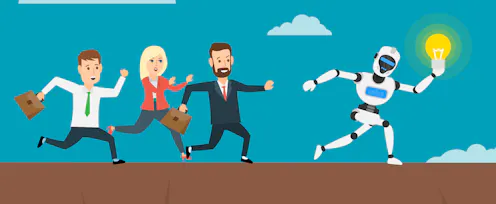
Government regulators and industry experts often overlook the complexities and risks of human-technology interactions and increasingly rely on companies’ voluntary oversight and self-assessments.
- Associate Professor, School for the Future of Innovation in Society and The Polytechnic School; Co-Director Center for Smart Cities and Regions, Arizona State University
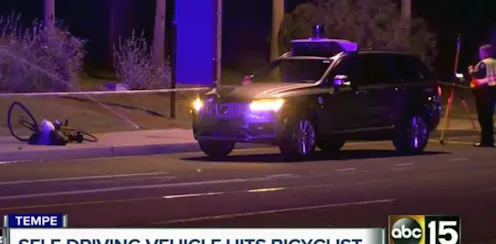
Companies developing autonomous vehicles are missing out on the local knowledge and values of the people who live where these cars are tested. And that lack of engagement sets up bigger problems.
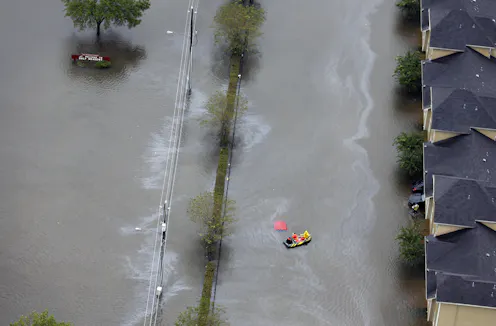
It’s not just about rebuilding infrastructure after storms: Cities need to systematically rethink their knowledge systems which are at the heart of urban resilience.
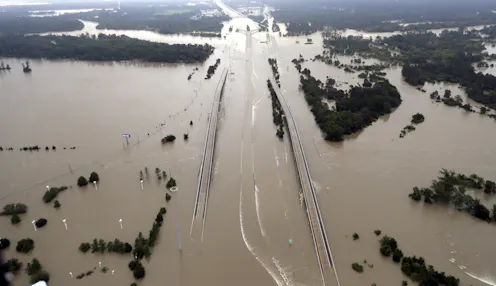
After extreme weather events like Hurricane Harvey, city planners need to think about the smartest way to rebuild. Here are some no-regrets infrastructure investment ideas.
Contact Thaddeus for
- General
- Media request
- Speaking request
- Consulting / Advising
- Research collaboration
- Research supervision
- Location: Tempe, Arizona, U.S.
- Website
- X (formerly Twitter): @Thad_Miller
- Article Feed
- ORCID
- Joined
