
Peut-on bronzer avec un écran solaire efficace et bien appliqué ? À quel intervalle faut-il en remettre ? Doit-on attendre avant de s’exposer au soleil ? Petits rappels souvent nécessaires…
- Adjunct Professor, School of Psychology, Curtin University and College of Health and Medicine, Australian National University
More than 500 Australians died in the Vietnam war and 3,000 were wounded, but the damage from Agent Orange was much more far-reaching, as Tim Fischer’s death last week reminded us.

A study that found chemicals from sunscreen in people’s blood has made headlines. But the participants were applying huge amounts, and the measurements were far lower than would be cause for concern.
Labor’s cancer care package is bound to be popular. But with around one-third of cancers preventable, both sides of politics need to invest in reducing cancer in the first place.
Orang kadang mudah lupa akan dasar-dasar dari tabir surya. Berapa lama kita harus menunggu sebelum boleh terpapar matahari?
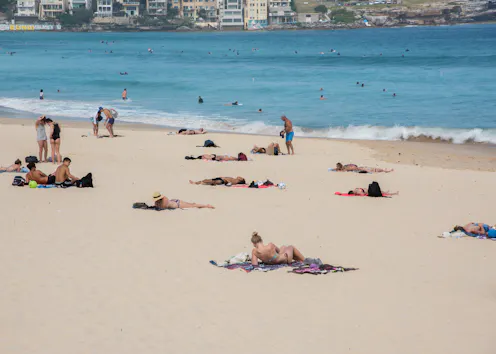
Most Aussies think we have such high rates of skin cancer due to an ‘ozone hole’. But that’s not the case. Here’s why we have nearly a million cases of skin cancer per year.
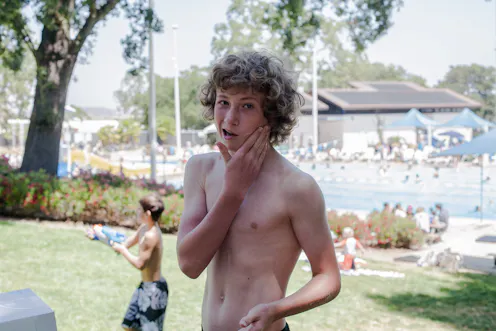
Whenever summer rolls around, it’s easy to forget the basics of sunscreen. How long should I wait after applying it to go in the sun, and how long can I stay in the sun with it on?
A new study has found the alcohol industry deliberately misrepresenting the cancer risk of alcohol, while passing it off as health messaging.
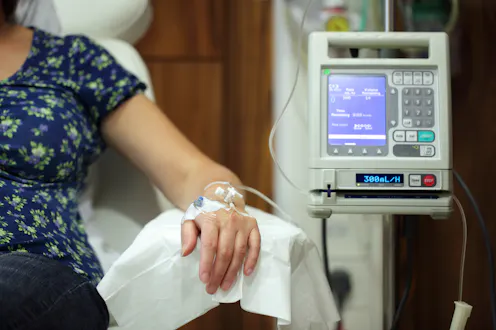
While other cancer rates fall or remain static, liver cancer is on the rise. Here’s why we need to start paying attention.
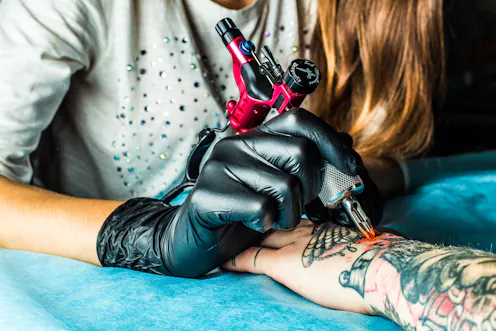
Of the 49 inks tested, only four complied with the European standards. Carcinogens were found in more than one-fifth of the samples, and in 83% of the black inks.
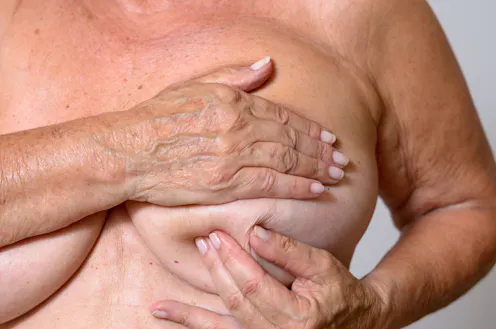
Currently, seven cancer types are listed in the top 20 causes of death in Australia. These are cancers of the lung, blood and lymph, bowel, prostate, breast, pancreas, skin and some childhood cancers.
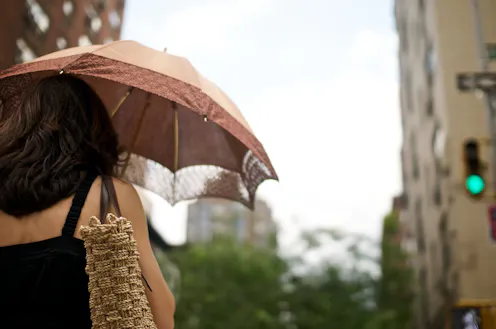
Alongside the day’s high and low, weather reports generally contain a UV alert for a particular time. But what does it actually mean – and what should you do about it?
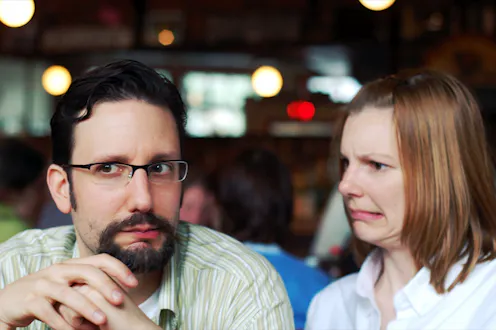
There are several ways scientists can explain risks of cancer and other diseases; some are easier to understand than others.
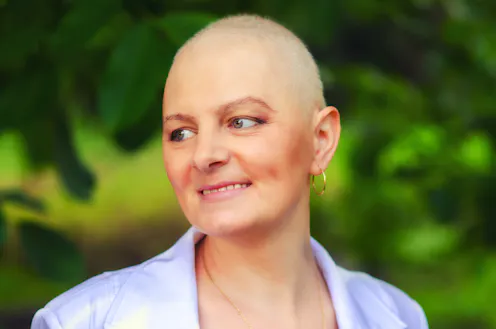
The rate of Australians dying from cancer is on a steady, downhill trajectory, thanks to powerful advances made in prevention, diagnosis and treatment of the disease.
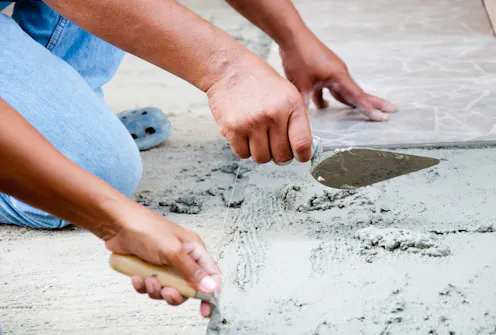
Unlike workplace accidents, where injuries can be relatively quickly assessed and compensation awarded, it can take years or many decades before work-related cancers are diagnosed.

It’s been more than 30 years since Sid Seagull first urged us to slip, slop and slap while out in the sun. But while we’ve made enormous progress fighting skin cancer, melanomas are still the fourth most…

Most of us are living longer and we are all expected to be working longer. Because the likelihood of cancer increases as we age, we’re more likely to be diagnosed with cancer while still a member of the…
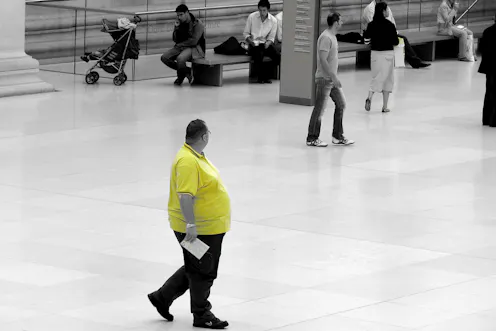
The World Cancer Report 2014, the first global snapshot of cancer since 2008, shows the disease is now the world’s biggest killer. In 2012, there were 8.2 million cancer deaths and 14.1 million new cancer…

Vitamin D has emerged as “the vitamin of the decade”, with a long and growing list of maladies supposedly caused through its absence or prevented through its bountiful supply. But is there adequate evidence…
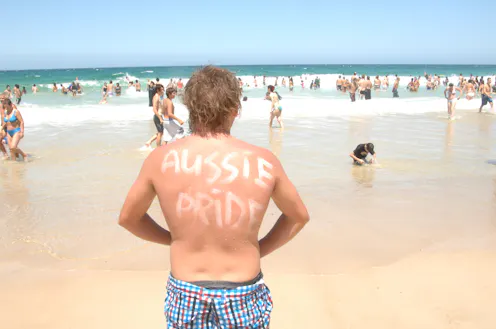
Australians are becoming less attracted to having a suntan and fewer are being sunburned, but there’s been less improvement in wearing sunscreen in recent years, according to new research from the Cancer…
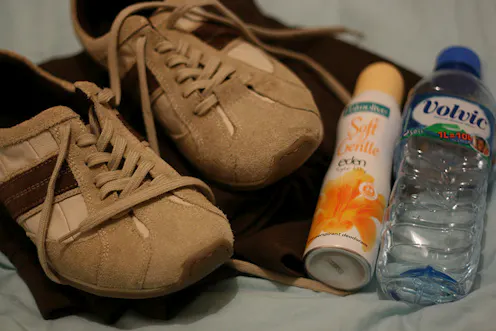
The concern that using deodorants and antiperspirants might increase the risk of breast cancer has been around for around for at least 15 years, probably longer. The theory suggests that either parabens…
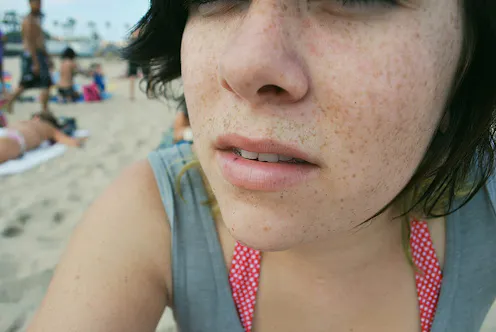
With the long, hot Australian summer comes the imperative to manage the country’s enormous skin cancer risk. Along with the growing raw numbers (11,545 skin cancer cases diagnosed in 2009) and rates of…
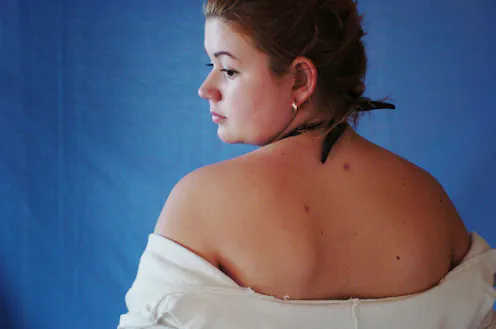
Smartphone applications designed to help people work out if they have a melanoma are potentially harmful, getting it wrong in up to 30% of cases, according to a new study from the University of Pittsburgh…
Contact Terry for
- General
- Media request
- Speaking request
- Consulting / Advising
- Research collaboration
- Research supervision
- Location: Canberra ACT
- Website
- X (formerly Twitter): @terryslevin
- Article Feed
- Joined
