
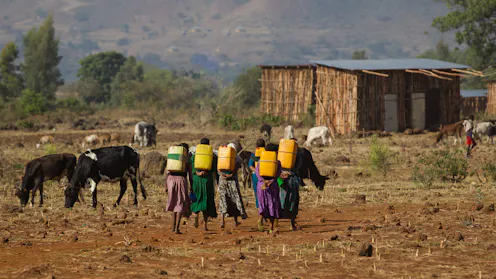
With added climate pressures, ending the abusive practice of female genital mutilation becomes more challenging.
- Professor of International Development Studies, University of Portsmouth
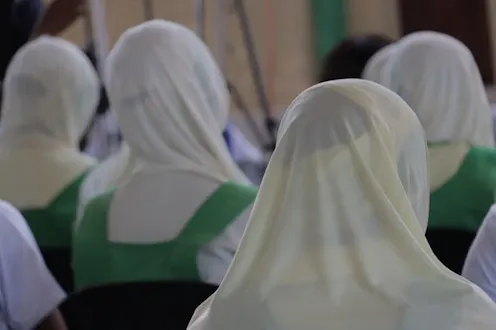
Pour éliminer les mutilations génitales féminines d'ici à 2030, il faudrait progresser 27 fois plus vite. Comprendre les tendances changeantes qui sous-tendent cette pratique est un début.
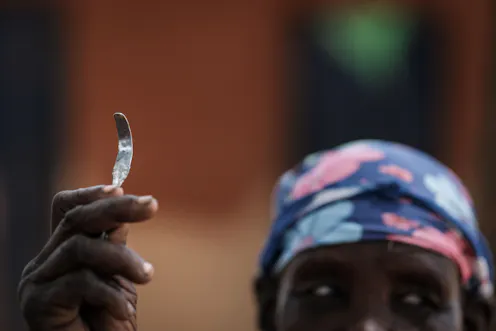
To eliminate female genital mutilation by 2030, progress would need to be 27 times faster. Understanding shifting trends behind this practice is a start.
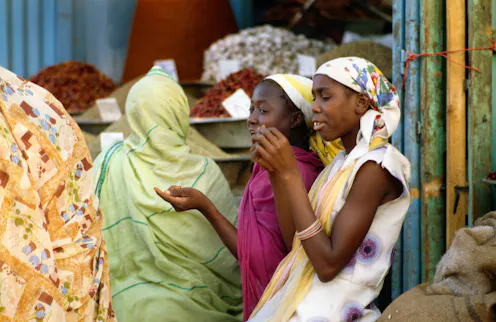
Sudan is riven by conflict and once again, women are the targets of the sexual violence that is rooted in the patriarchal nature of Sudanese society.
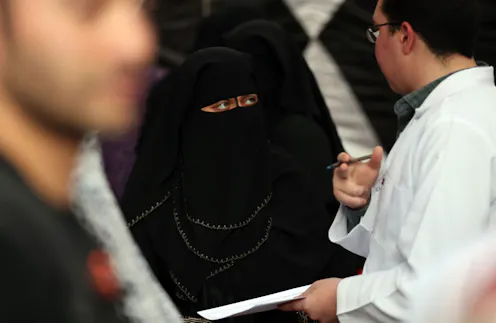
Political change could open up civil spaces and support the voices of young women and girls who do not want to be cut.
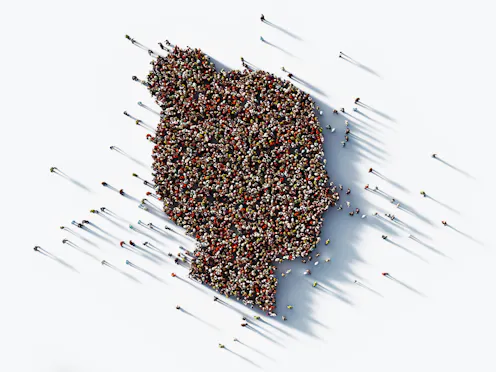
An estimated 2000 million women have undergone female genital mutilation and millions more are at risk. The practice is carried out mainly for cultural and economic reasons.

Close to 4 million teenage girls are subjected to breast ironing worldwide. This harmful cultural practice, which is most prevalent in West and Central Africa, needs to stop.
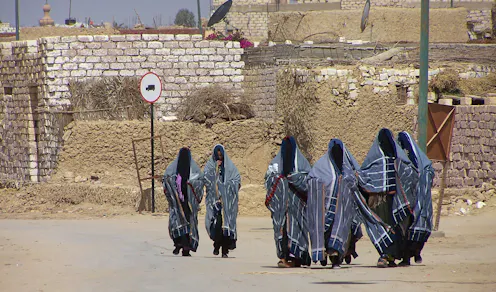
Efforts to end female genital mutilation are mostly designed by global and national agencies and risk ignoring change agents like the youth who are against the practice.
Contact Tamsin for
- General
- Media request
- Speaking request
- Consulting / Advising
- Research collaboration
- Research supervision
- Article Feed
- ORCID
- Joined
