

Canada’s agricultural exporters face growing pressure from trade disputes that expose the risks of concentrating exports in too few markets.
- Associate Professor of Agri-Food Trade and Policy, University of Guelph
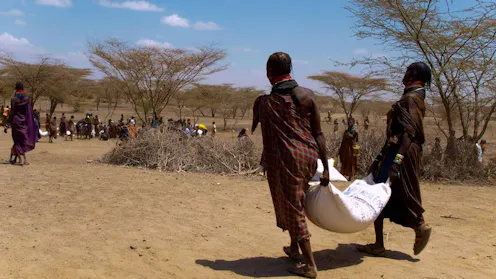
Si les sanctions visent à punir les régimes, elles punissent souvent les citoyens à leur place.
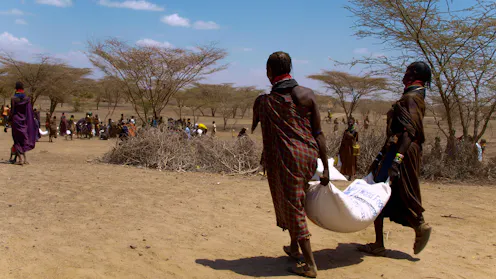
While sanctions aim to punish regimes, they often punish citizens instead.
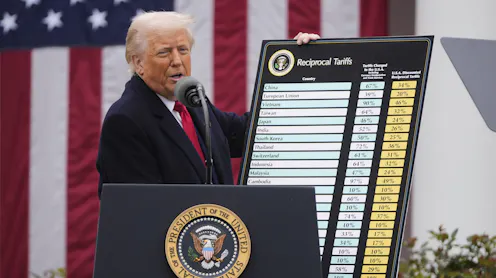
Canada must stand in solidarity with the international community to exert collective pressure on the U.S. A co-ordinated global response could compel Trump to reconsider his unilateral trade policies.

U.S. President Donald Trump’s tariffs will have significant economic consequences on both sides of the border.
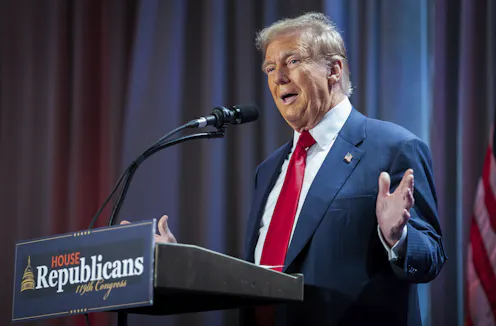
Canada and Mexico are two of America’s largest trading partners, and the tariff could have significant economic consequences for all three nations.
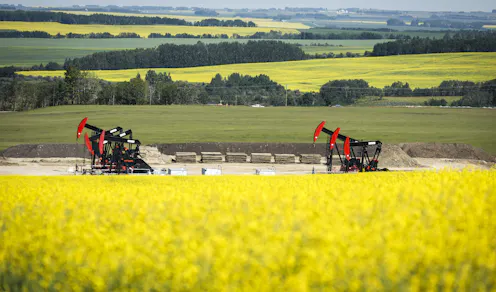
Bien que la Chine n’ait annoncé que la tenue d’une enquête sur le dumping, les prix des contrats à terme sur l’huile de canola sont déjà affectés.
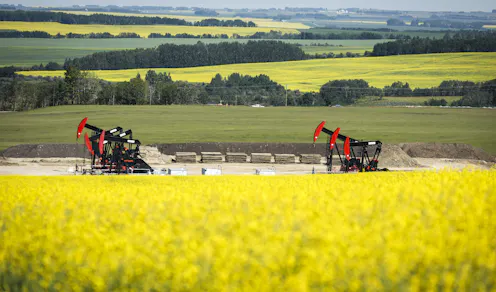
Although China has only announced a dumping investigation, the prices of canola oil futures are already being impacted.

Sub-Saharan Africa is no longer a continent just grappling with hunger and starvation — it is now also dealing with obesity and overweight.
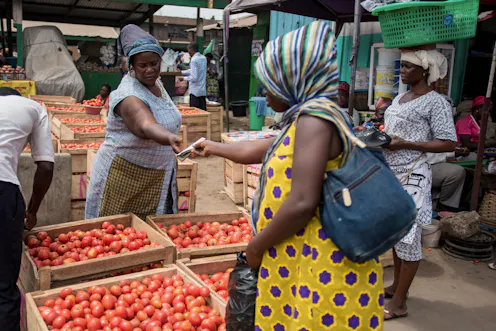
Ghana’s industries need fewer production constraints and more incentives to compete domestically.
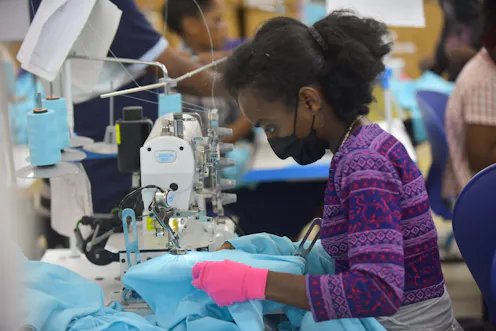
Manufacturing firms exposed to increased Chinese competition employed fewer female production workers than men.
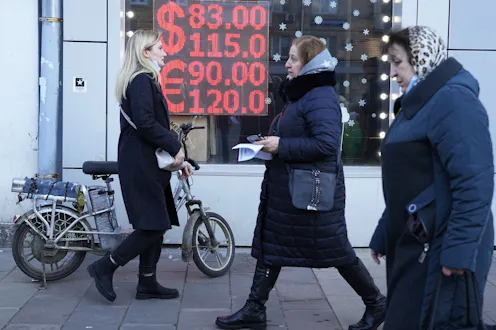
As the world rightfully fears for the Ukrainian people, we must not turn a blind eye to Russians who are also Putin’s victims and will suffer the most from economic sanctions.

The perishable nature of agri-food products makes any delay at the Canada-U.S. border costly to farmers, businesses and consumers.
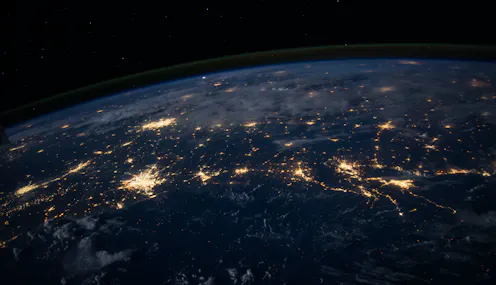
The outbreak of COVID-19 could be used as a building block in the future to reinforce international co-operation and strengthen the pillars of globalization.
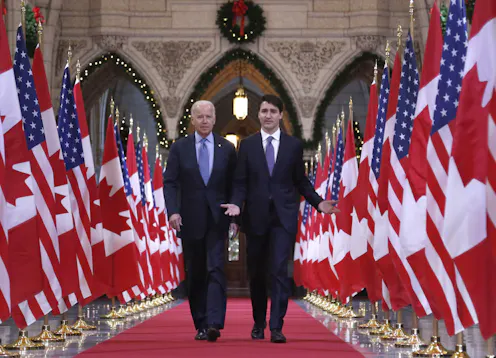
Closer political ties between Joe Biden and Justin Trudeau likely means a more constructive and co-operative approach to solving challenges between the two countries in the agri-food sector.

Les exportateurs canadiens de bœuf et de porc dépendent de plus en plus de la Chine. C'est pourquoi le différend diplomatique entre les deux pays est si inquiétant pour le secteur agroalimentaire.

Canadian beef and pork exporters have become increasingly reliant on China. That’s why the latest salvo in the Canada-China diplomatic dispute is so ominous for the agri-food sector.

The diplomatic spat between Canada and Saudi Arabia could have serious economic ramifications as well. When diplomatic ties are cut, research shows trade suffers significantly.
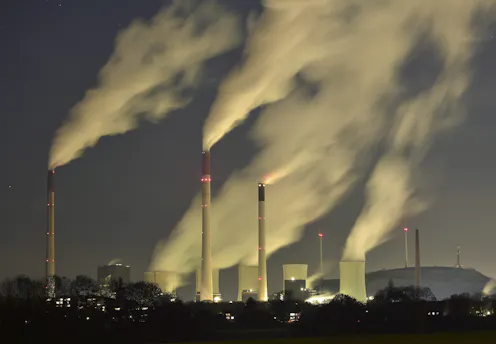
Some experts argue globalization has been bad for the environment. But moving away from globalization could have other consequences that could be even more devastating for the environment.
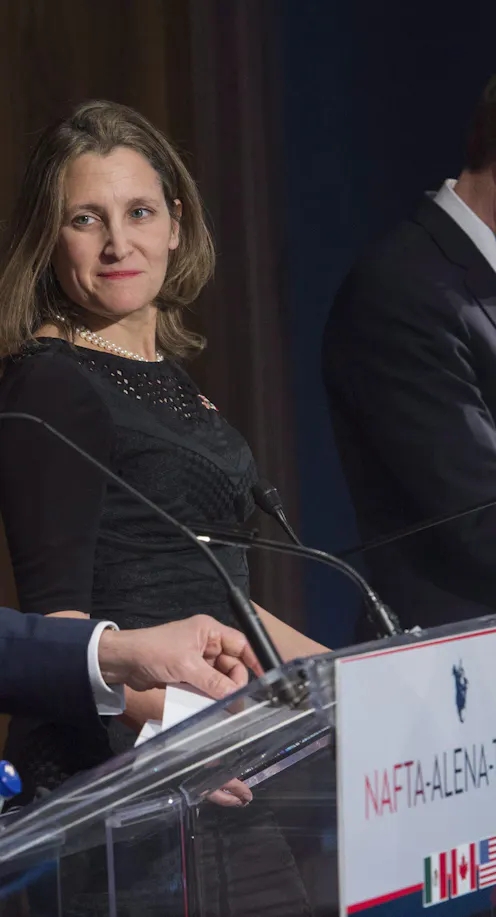
Donald Trump has described NAFTA as the worst trade deal ever signed by the United States. As NAFTA talks continue, here’s what Canada and Mexico can do if the unthinkable happens.
Contact Sylvanus for
- General
- Media request
- Speaking request
- Consulting / Advising
- Research collaboration
- Research supervision
- Location: Guelph, Canada
- Website
- X (formerly Twitter): @KAfesorgbor
- Article Feed
- ORCID
- Joined
