
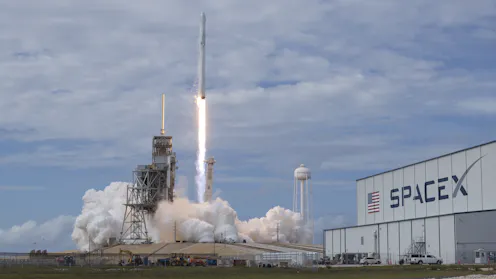
What does it mean for national security if access to Earth’s orbit depends largely on one company?
- Assistant Professor of Space and International Relations, Johns Hopkins University
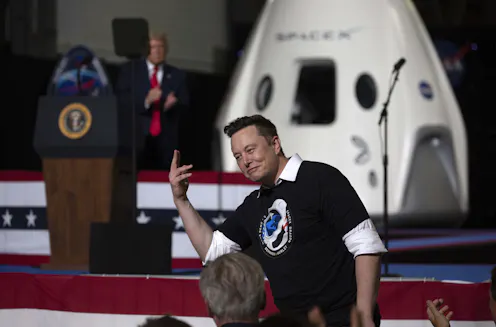
Elon Musk’s support of Donald Trump could earn him some influence over space policy if Trump wins the 2024 election.
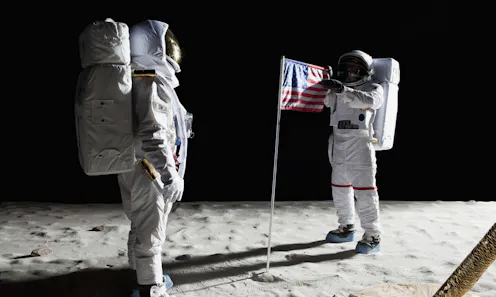
China has invested massively in its space capabilities in recent years and is now a major competitor with the US. But according to a space policy expert, the US still dominates space by most measures.
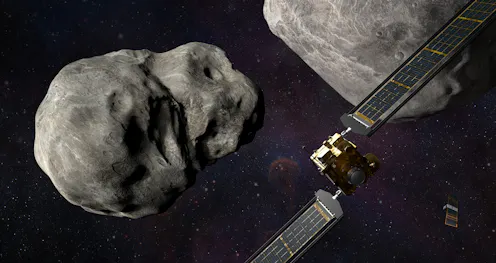
Crashing the 1,340-pound DART probe into the small moonlet orbiting the asteroid Didymos should redirect its trajectory – and could be a model for how to save Earth in the future.
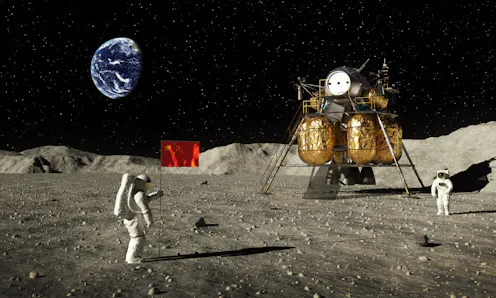
A comment by Bill Nelson, the NASA administrator, sparked a strong public response from the Chinese government. But due to legal and practical reasons, no country could take over the Moon anytime soon.
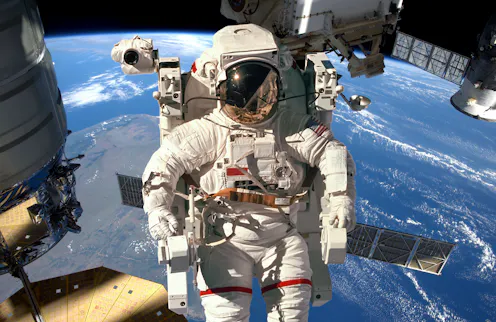
This is a transcript of The Conversation Weekly podcast episode published on April 29 2022.
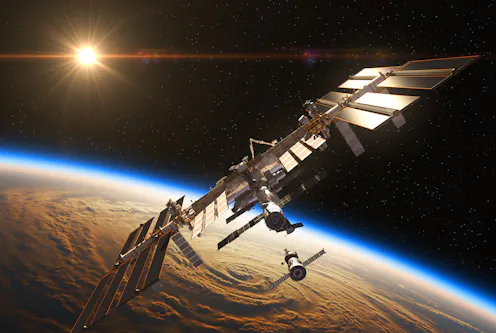
Listen to two space experts discuss how the Russian invasion of Ukraine threatens international collaboration in space on The Conversation Weekly podcast.
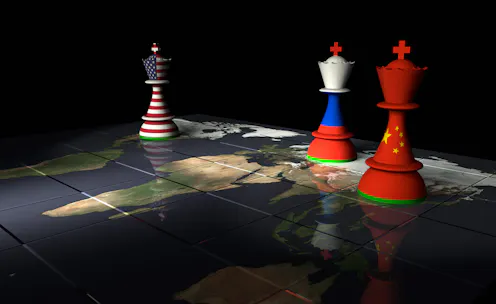
In the past 10 years, international alliances on Earth have begun to expand into space. Nations with similar interests collaborate with one another while competing with other space blocs.
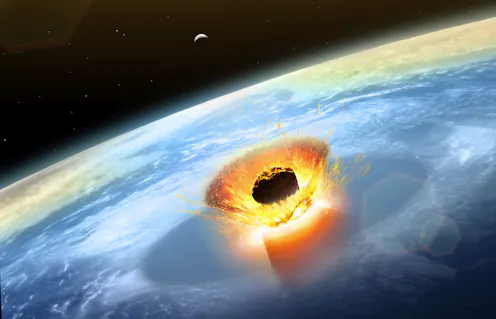
NASA has only mapped 40% of the potentially dangerous asteroids that could crash into Earth. New projects will boost that number, and upcoming missions will test tech that could prevent collisions.
Contact Svetla for
- Media request
- Speaking request
- Consulting / Advising
- Research collaboration
- Research supervision
- Location: Washington, D.C., U.S.
- Website
- X (formerly Twitter): @SvetlaBI
- Article Feed
- ORCID
- Joined
