

A new publication clarifies how existing legal frameworks apply to space exploration and development. The McGill Manual also highlights the catastrophic implications of conflict in space.
- Emeritus Professor of International Law, Western Sydney University

As the space race is resumed, and expanded to include private corporations, it is more important than ever to lay the groundwork for peaceful collaboration.
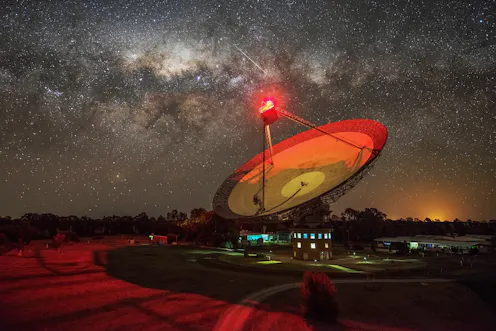
The growth of online and space activity make traditional ideas of national security increasingly outdated.

Sure, they’re billionaires, but the exploits of Richard Branson and Jeff Bezos have undeniably brought space tourism a step closer. That raises tricky legal, ethical and environmental questions.
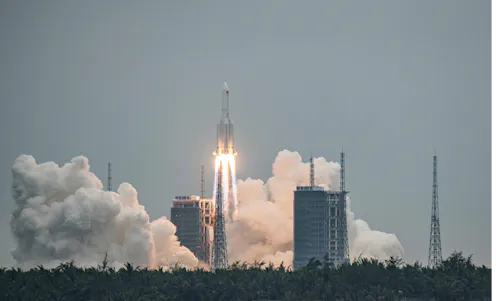
China’s Long March 5B rocket, after a successful blast-off in April to deliver a space station module, is now on track to crash-land somewhere with a latitude between New York and New Zealand.
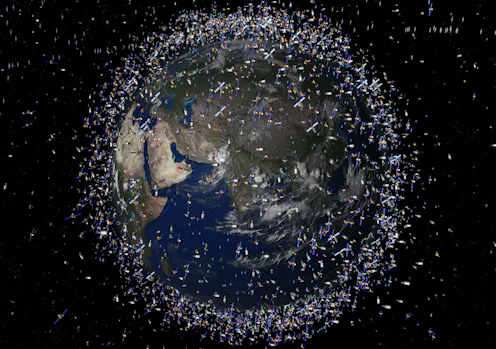
Earth orbit is filling up with satellites and space junk. Technological fixes can only go so far to deal with the problem.

A change of government in the USA means less risk of ‘space war’ and more hope for peaceful cooperation.
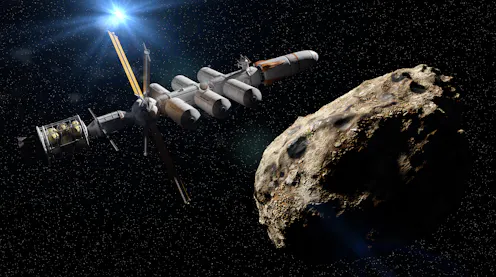
Governments and corporations must get serious about the legal, technical, economic, social and ethical implications of a potential space-based resource economy.
Those who speak of the inevitability of war in space will fuel a race to the bottom, and see even more energy towards an arms race in space.

Altering the condition of the match ball is against the rules of the sport, contrary to ‘the spirit of cricket’, and deemed to be ‘unfair’. It is a form of cheating.
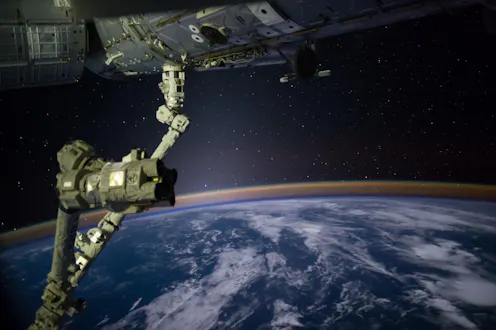
Who is responsible for space debris? What laws should apply to humans living on another planet? Who has rights to mine asteroids? The Outer Space Treaty needs an update to address such questions.
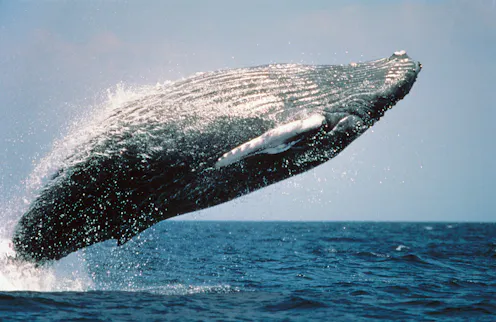
Recent legal and diplomatic wins over Japan’s whaling stance have done little to help the whales themselves - while threatening to strain relations between pro-and anti-whaling nations.
The rules on armed conflict on Earth are a major source of restraint on military operations. But the rules on the use of weapons in outer space are far from clear. We need to change that.

Au fur et à mesure que les technologies s’affirment, les appétits s’éveillent pour une exploitation minière de la Lune ou des astéroïdes. Qui forera le premier ?
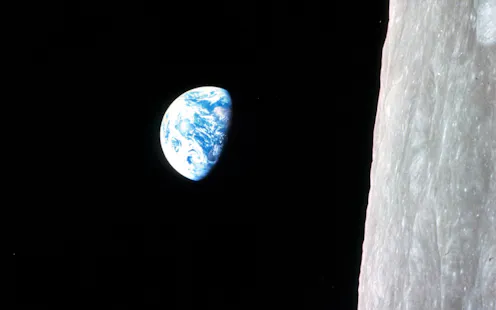
No one nation should be allowed to go it alone and develop a mining industry in space. It needs an international effort and Australia, with a long history in mining, can play its part.
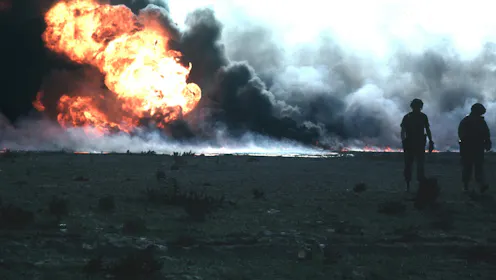
Acts perpetrated during the course of warfare have, through the ages, led to significant environmental destruction.

Are there any other options at the international level to have the downing of Flight MH17 properly investigated and – if appropriate – prosecuted by an impartial, independent international court?
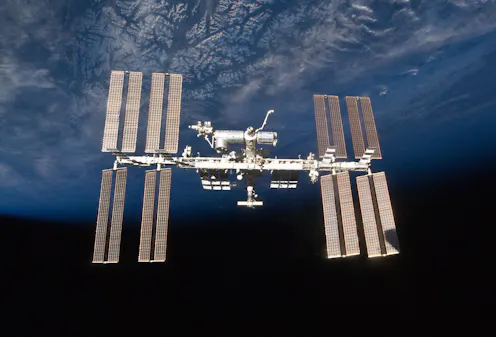
In our efforts to keep peace in space we could learn much from the US-Russian relationship on the International Space Station.
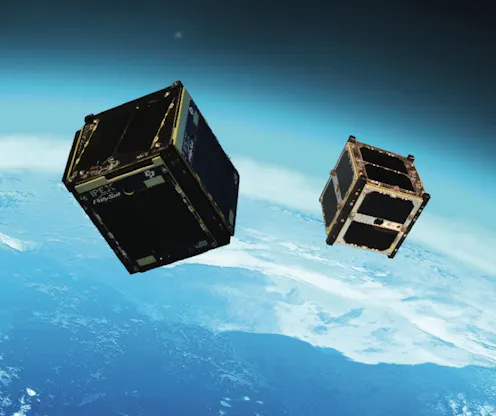
We’re already building satellites that can sit in the palm of your hand. But getting them into orbit can be a challneg, and not only for technical reasons.

In Florida last week, Republican presidential hopeful Newt Gingrich asserted that, under his leadership, the US would establish a “permanent moon base” by 2020. What’s more, he claimed, “it will be American…
Contact Steven for
- General
- Media request
- Speaking request
- Consulting / Advising
- Research collaboration
- Research supervision
- Website
- Article Feed
- Joined
