
The BBC’s royal charter is renewed once a decade to make sure the broadcaster keeps up to date with political and technological changes.
- Professor of Communications, University of Westminster
This peculiar arrangement of political appointments therefore effectively gave partisan appointees a veto over a crucial senior management decision.
Foreign states will now be allowed to hold up to a 15% stake in British media.
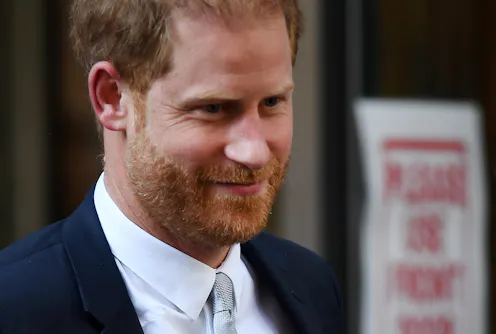
Another court victory in Harry’s campaign to hold the press to account, but what are the broader implications?
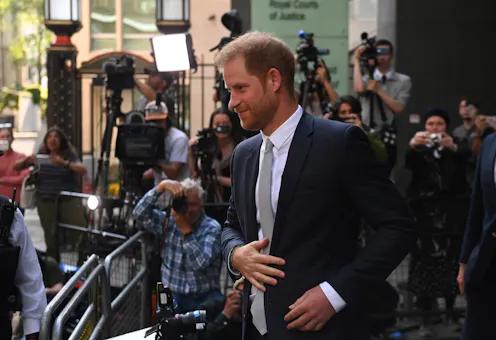
Prince Harry won a comprehensive victory in the first of three court cases against newspapers. What is the context for that judgement, and what are the implications for the UK press?
The first thing journalists learn is that confidential sources must be protected except in extraordinary circumstances.
The second part of the Leveson Inquiry was cancelled in 2018, but there is still unfinished business.
The broadcaster risks losing its distinctive edge in private hands.
Ofcom’s duty is to regulate broadcasting on behalf of UK citizens. That appears to be under threat, both from internal forces and potentially from its next chair.
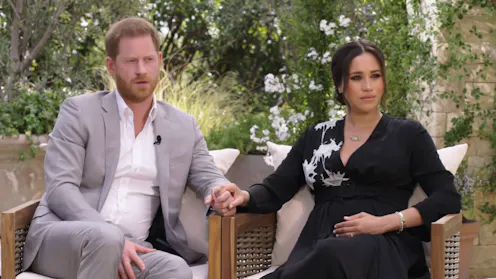
Could the press’s increasingly hostile campaign against the Sussexes lead to the fall of our toxic tabloid culture?
How did one student’s anti-BBC social media campaign take off so rapidly?
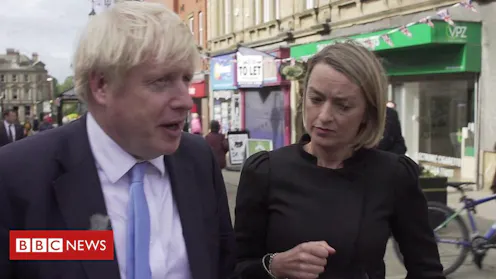
Political journalists must use anonymous sources with more care and not just parrot their briefings.
The review contains some great ideas. It remains to be seen whether these will ever see the light of day.
The tone remains the same, but the anger is directed against a different group of ‘elites’.

As the Cairncross Review looks into how high-quality journalism can be sustained into the future, a case for opening up funding streams to tackle a ‘democratic deficit’.
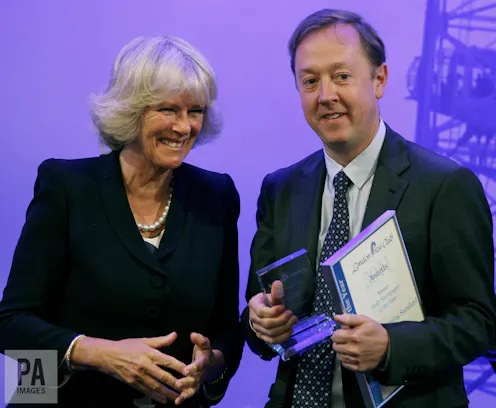
New editor Geordie Greig will soften the line on Brexit and may take a more compassionate stance on some social issues.
Previous government aid packages for local papers have instead helped Fleet Street’s ‘big beasts’.
The political and commercial motives behind revealing stars’ salaries.
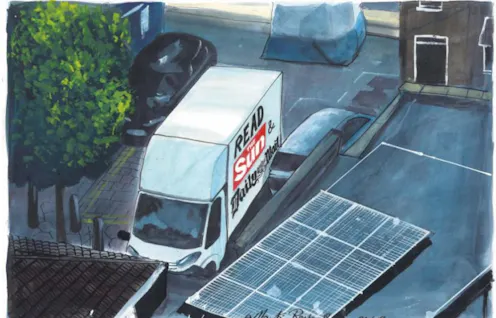
Journalism is the first casualty as two UK newspapers with competing world views go to war.
The culture secretary must make a call on the deal based on the public interest.
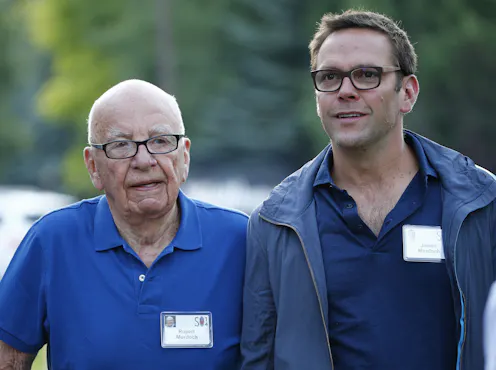
The renewed takeover bid for one of Europe’s biggest broadcasters must be referred to Ofcom.

New Leveson-compliant watchdog will provide firm hand for newspaper industry.
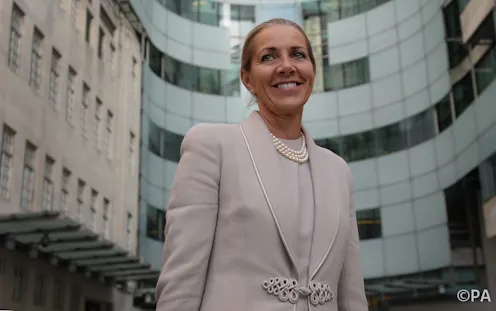
The ousting of BBC chair, Rona Fairhead, is a worrying sign of a government power grab over the public broadcaster.
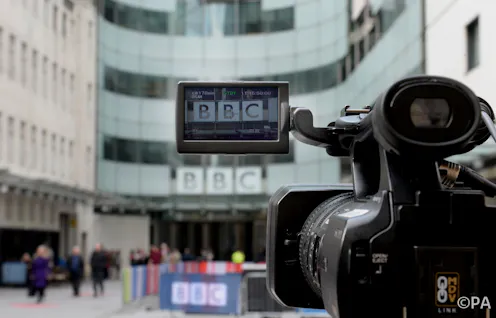
The government’s White Paper is expected to reduce the scope and funding for the UK public broadcaster.
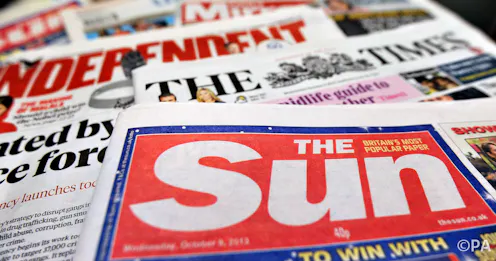
It looks as if Leveson’s proposals might finally bear fruit. But will the government have the courage to make it happen?
Contact Steven for
- General
- Media request
- Speaking request
- Consulting / Advising
- Research collaboration
- Research supervision
