

The federal government has laid out a big picture proposal to keep cash alive. But it will need to keep a close eye on the details, and the unique challenges cash presents for businesses.
- Adjunct Professor, Swinburne University of Technology

The UK Treasury called them “rip-off fees” and banned them in 2018. So how did Australians end up paying for much for card surcharges?

By declaring cash an ‘essential service’ the government would secure its future for those Australians who still use it.

Cash is still important to many Australians as a store of wealth and an alternative means of payment.
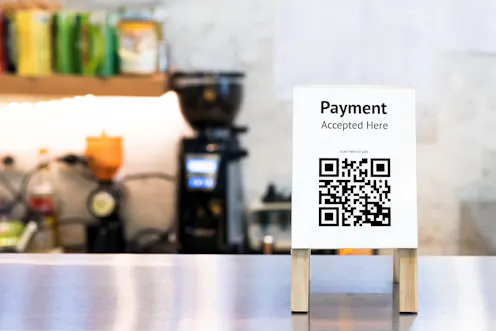
As cashless societies become a reality, we’re starting to see this technological revolution has a dark side.

It’s becoming easier to steal big licks of money through the financial system. We’ll have to be less trusting.
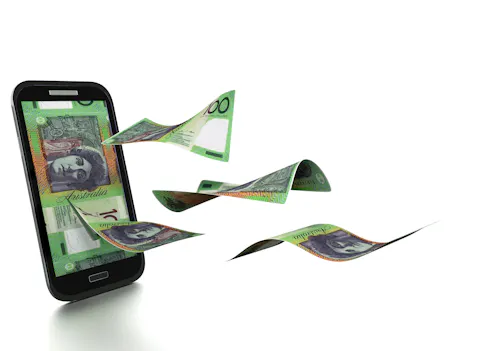
The New Payment Platform may speed up transactions, but evidence suggests it could also lead to more scams and fraud, and many customers won’t switch over.
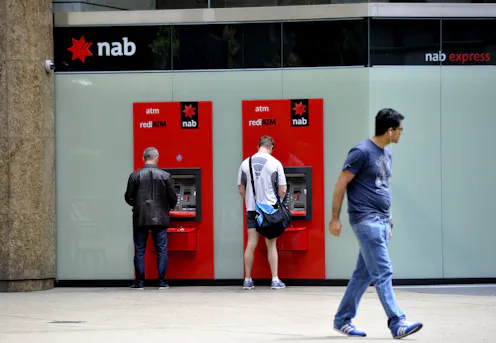
ATMs will need to evolve to remain relevant, perhaps taking on other services entirely.

While Apple Pay may have won the battle against some of Australia’s banks, it may lose the war against the providers of digital wallets, such as Tencent and Alibaba.

The banks could have used their collective bargaining power not only against Apple for Apple Pay but also stall the adoption of mobile payments in Australia.

The competition in Australia’s contactless payment industry is heating up as Apple Pay sets up in Australia. However some banks claim the company is making the system less competitive.

Sales incentives must change to ensure service is rewarded over targets.
If the RBA includes commercial credit cards in new caps on interchange fees, small to medium enterprises might not be able to use them as a source of finance.

Despite a rise in cashless payments and a drop in customers drawing out cash, bank tellers might still have a future.
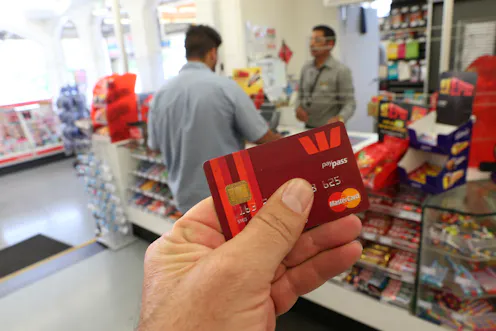
The RBA has revised regulations on how much merchants can charge for using a credit or debit card which might make the practise more common.
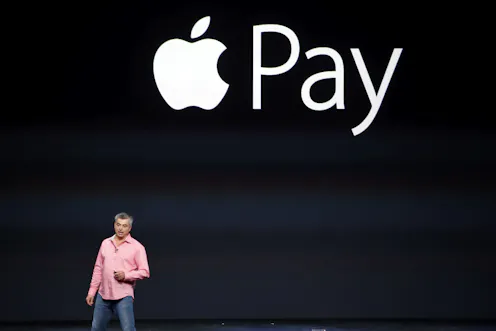
Apple faces numerous challenges in its bid to get more people using their iPhones to pay for things.
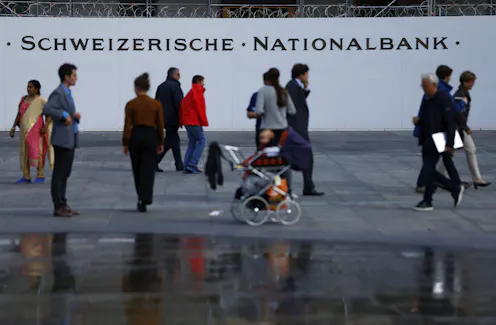
Negative interest rates are not the weapon some central bankers had hoped they would be.
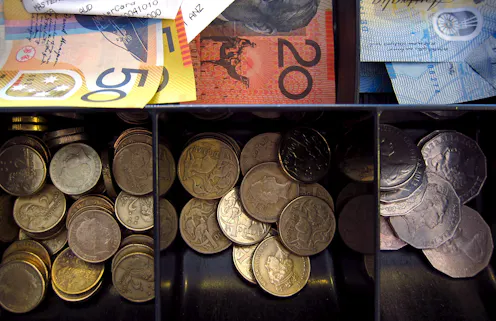
Despite the growth of card and mobile payments, cash is still king in many markets.

Australians love to ‘tap and go’ for payments, but doing it with a mobile phone is being complicated by our card fee system.
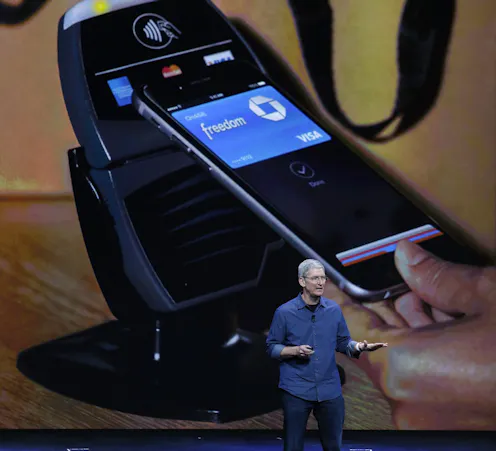
Today’s launch of the Apple Pay mobile payments service has the potential to eliminate the need for us to carry payment cards in our purses or wallets - but as always converting potential to reality is…
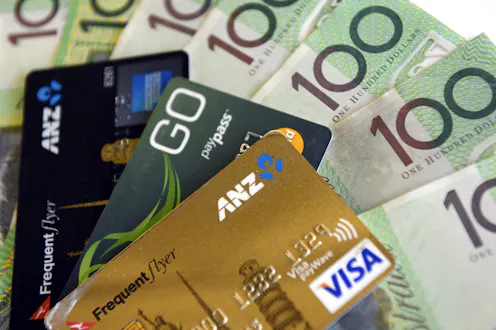
If the Financial System Inquiry is to achieve its aim of helping to promote growth and productivity in the Australian economy it will need to focus strongly on electronic payments. Submissions to the inquiry…

There is mounting evidence that consumers are making less use of cash, while the use of electronic payment methods, particularly debit cards, continues to increase. But are we heading towards a cashless…

The news that Coles may be seeking a banking licence would, if confirmed, put the supermarket group and its parent company Wesfarmers in direct competition with Australia’s major banks. It would allow…
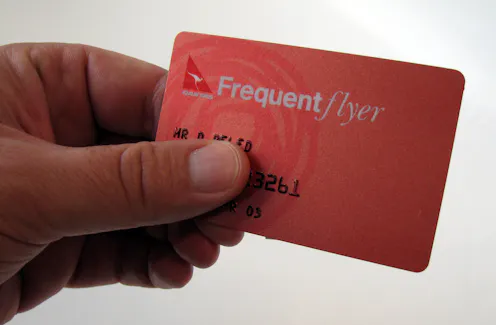
Frequent flyer programs have long since expanded out of their airlines, with points now being exchanged across supermarkets, banks and insurance companies. Australia has two domestically owned frequent…
Contact Steve for
- General
- Media request
- Speaking request
- Consulting / Advising
- Research collaboration
- Research supervision
- Location: Melbourne
- Article Feed
- ORCID
- Joined
