
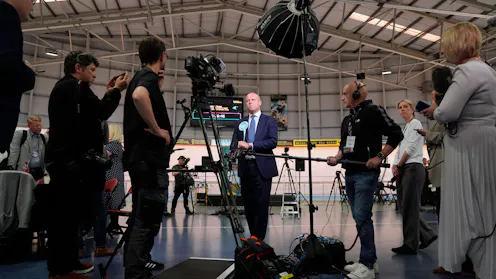
Polls and projections increasingly framed the Senedd election as a contest between two parties.
- Professor, Cardiff School of Journalism, Media and Culture, Cardiff University
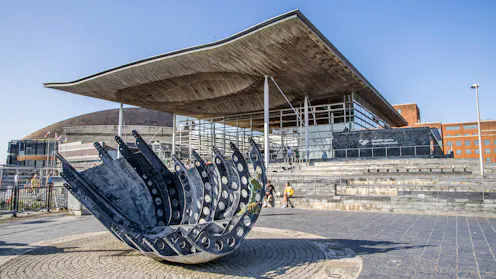
From explainers to quickfire interviews, digital coverage is transforming the Senedd campaign coverage.
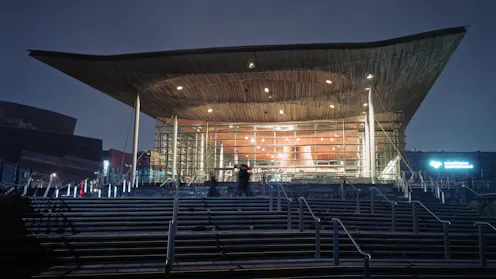
Broadcasters are covering the Senedd campaign, but new analysis suggests many party claims are going largely unchallenged.
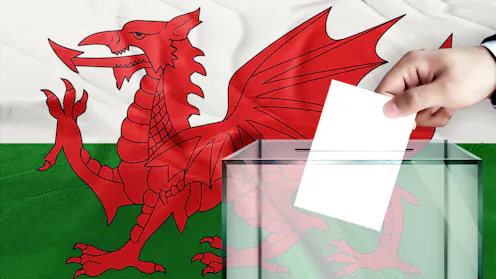
Study reveals major gaps in public understanding of devolved powers as voters prepare to head to the polls.
Greens have not received more airtime in recognition of their growing popularity.
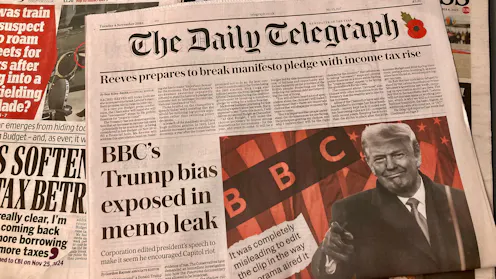
The Prescott memo contained no research questions or objectives, method, sample, time frame or, crucially, analytical framework for examining output.
Domestic political stories were more likely to have context added, rather than claims challenged.
What do audiences really think about impartiality in news presenting?
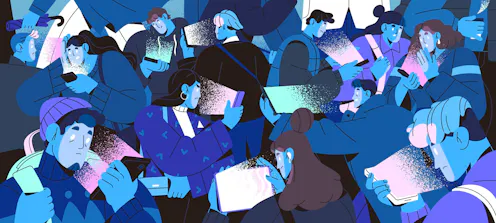
The numbers suggest that many people have not given up on TV news, but rather have gone online in addition to watching television.
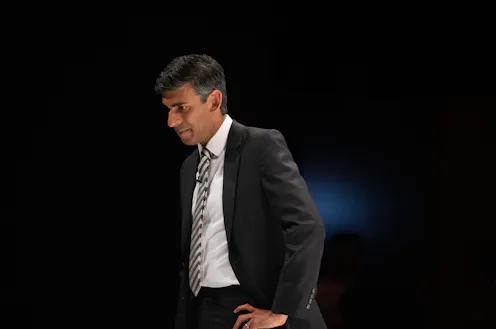
Broadcasters can struggle to report impartially when they have to single out one party for making dubious claims.
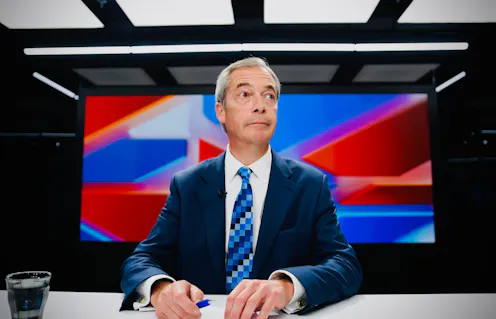
Audiences may not know if so-called impartial news is delivered by professional journalists or partisan politicians.
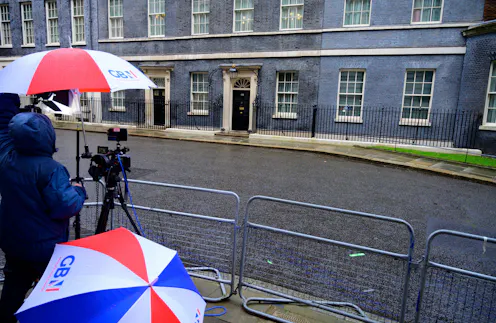
Evidence shows the public still want impartiality from broadcasters.
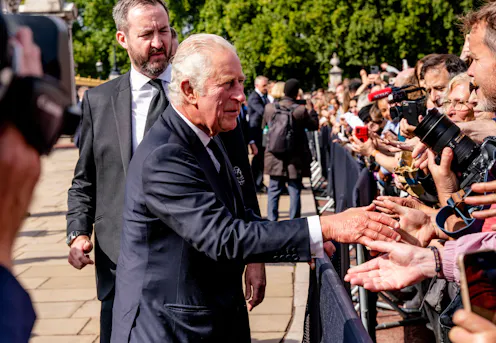
Ofcom guidelines ask broadcasters to use ‘due impartiality’ in reporting.
The entry into the UK’s broadcasting market of new, more outspoken, players is challenging traditional ideas of impartiality in TV news and current affairs.
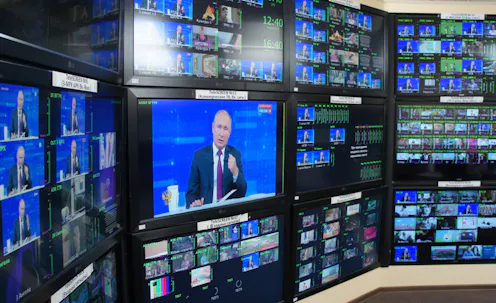
The west underestimates the power of Russian-state television, says an expert.
BBC director-general, Tim Davie, has released a new plan to beef up fact checking in the public broadcaster’s news programmes.
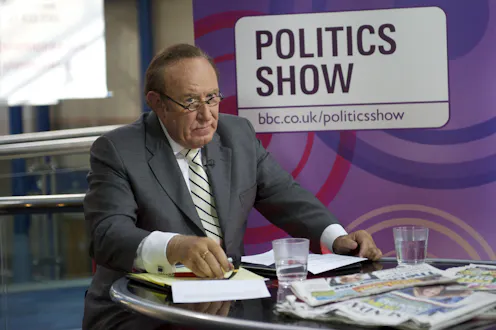
Research shows broadcast journalism is already becoming more partisan.
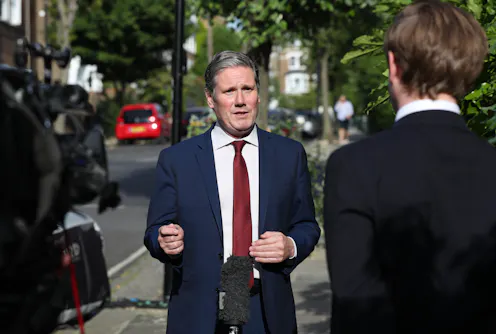
A host of alternative media outlets sprang up during Jeremy Corbyn’s leadership. But they’re not fans of his replacement.
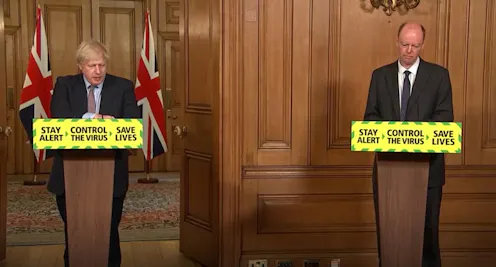
Cardiff University’s news diary study during the pandemic found the public were confused about a number of issues and became more critical of the UK government.
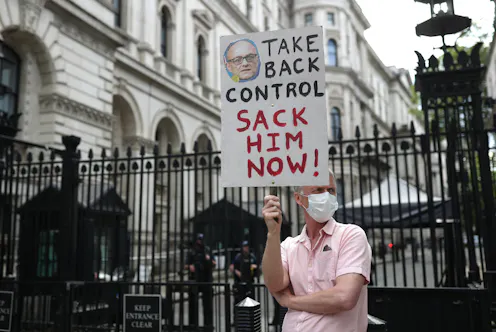
COVID-19 ‘news fatigue’ had set in with the UK public, but then the prime minister’s chief advisor changed all that.
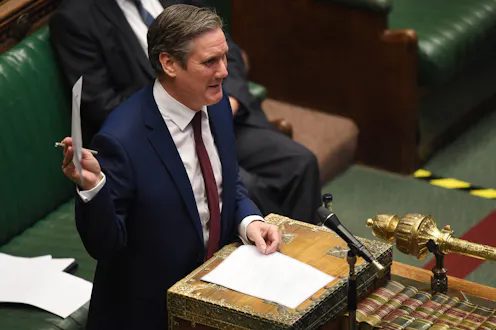
Most people believe the government was wrong to stop publishing international comparisons of COVID-19 death tolls.
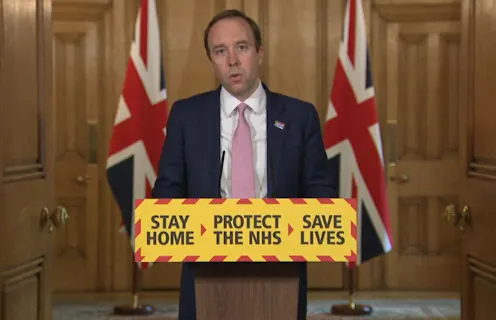
Public doubts over some government information have led to calls for more active factchecking of claims.
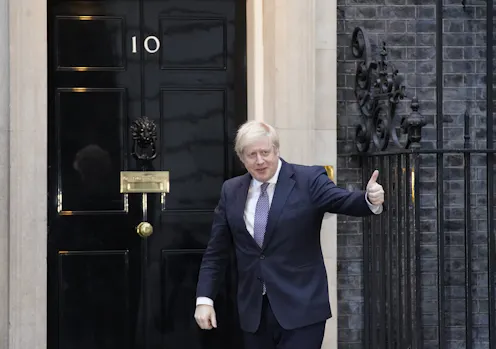
What the UK public thinks of the way the pandemic and lockdown are being covered by the media.
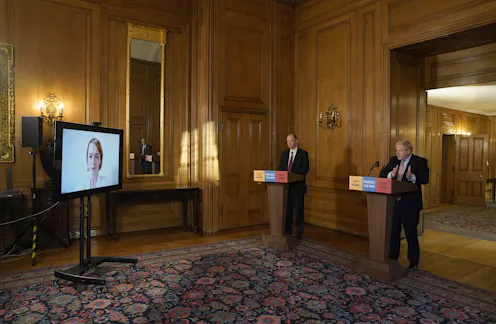
Calls for journalists to rally round the UK government’s efforts to fight the pandemic are out of touch with public opinion, an in-depth study of news audiences has found.
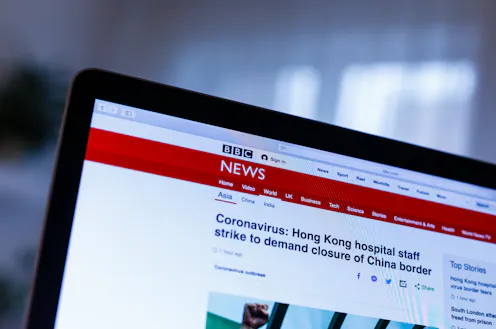
The BBC’s audiences have grown as it provides high quality news an information about the pandemic. But is it doing enough to hold the government to account?
Contact Stephen for
- General
- Media request
- Speaking request
- Consulting / Advising
- Research collaboration
- Research supervision
