
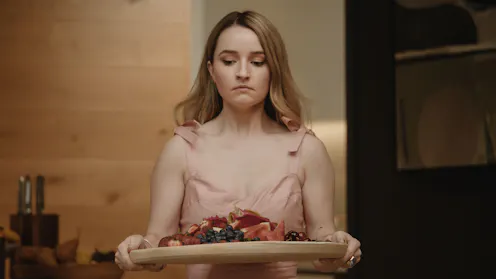
The story of Belle Gibson, ex-wellness influencer and convicted fraudster, is only the tip of the iceberg of content creators profiting from harmful health advice.
- Reader (Associate Professor) in Sociology, City St George's, University of London
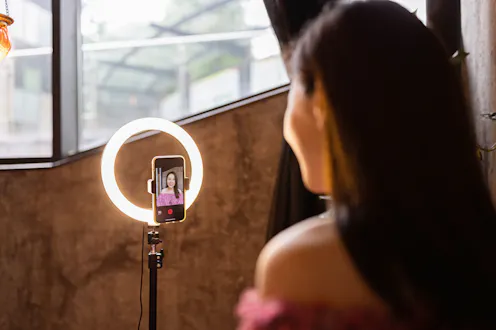
Social media has transformed how we connect and communicate online — affecting even how we get health information.
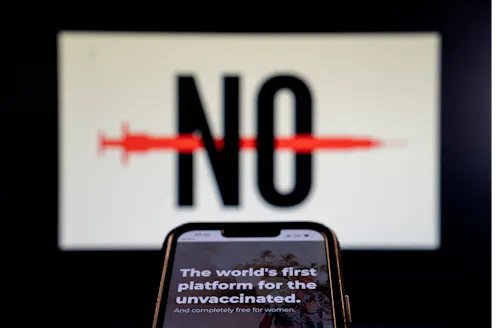
Memes have featured in anti-vaccine messaging for centuries and their power to spread harmful health disinformation is growing.
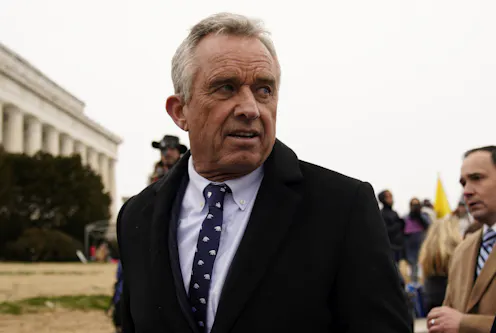
COVID truthers use four enticing promises to gain a loyal following.
We often talk about ‘emotional labour’ as performed by those who take on the emotional workload within families or relationships. But the term has a specific meaning – and that’s not what it is.
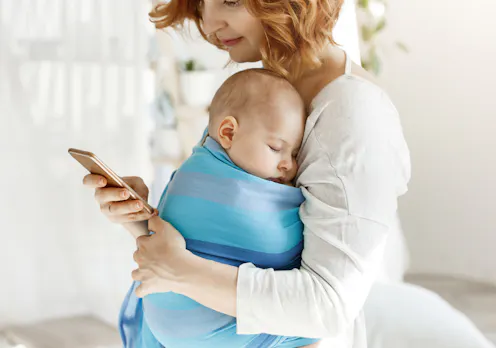
Anti-vaccination Instagram posts deliberately depict mothers in a certain way to drive up rates of vaccine hesitancy.

Twitter’s design promotes avoidance as the solution to hostility, but it also needs space for restorative activity that could genuinely resolve conflict.
Social media companies need to be more transparent about the health misinformation they remove.
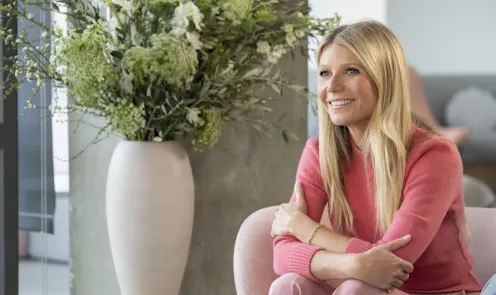
The Goop Lab obscures the distinction between entertainment and evidence.
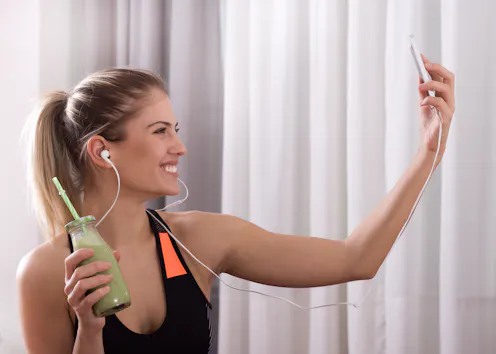
Lifestyle gurus define themselves in opposition to experts — but can we really trust what they tell us?

A new study of ‘clean eating’ posts on Instagram has found that men - and muscles - feature more prominently than women.
Contact Stephanie for
- General
- Media request
- Speaking request
- Consulting / Advising
- Research collaboration
- Research supervision
- Location: London, UK
- Website
- X (formerly Twitter): @DrSABaker
- Article Feed
- ORCID
- Joined
