
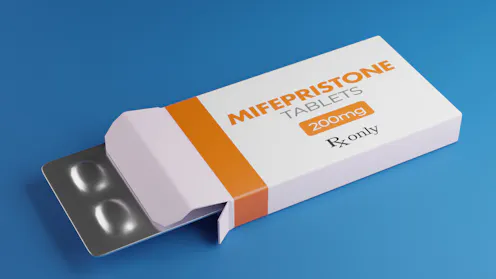
The court’s decision sends the mifepristone case back to a lower court, which has signaled that it will continue its challenge to the legality of mailing the abortion pill.
- Professor of Law, George Washington University
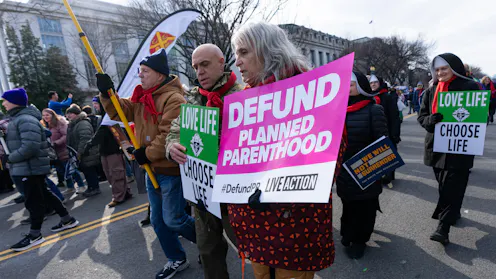
Four years after the Supreme Court’s Dobbs ruling gave states the power to ban abortion, further restrictions are arriving through legislation and litigation.
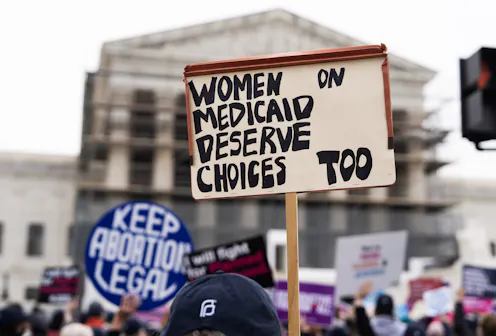
The ruling limits the rights of Medicaid patients to choose their own health care provider. It could have consequences far beyond South Carolina.
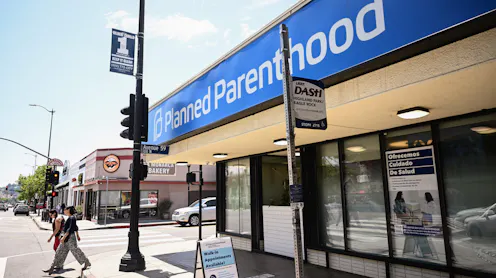
The court’s decision on whether Medicaid patients can choose their own health care provider could have consequences far beyond South Carolina.

Iowa and Idaho have passed abortion trafficking laws that stop people from helping minors get abortions. These laws open the door for questions about the right to travel to get an abortion.

The Supreme Court conceded that it should not have taken up the case to begin with.
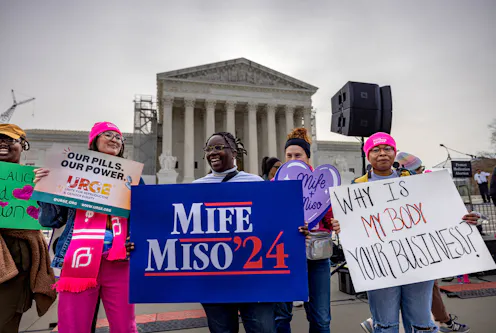
The opinion did not take on the substance of the plaintiffs’ claims against mifepristone, and the abortion pill is already facing other challenges.
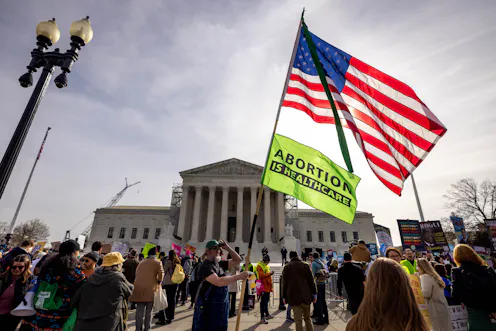
EMTALA requires hospitals to provide stabilizing treatment to all patients – but Idaho is arguing that its abortion ban means it doesn’t have to allow the procedure, even if it is medically needed.
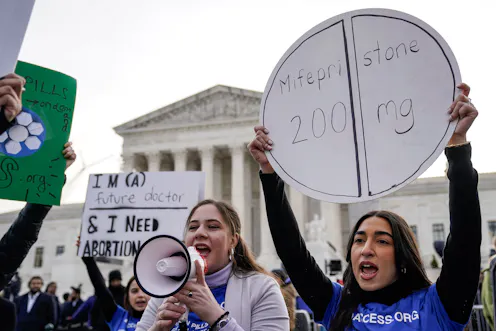
Two legal scholars who study abortion-related laws explain what happened at the Supreme Court in a case that could make it harder to get an abortion.
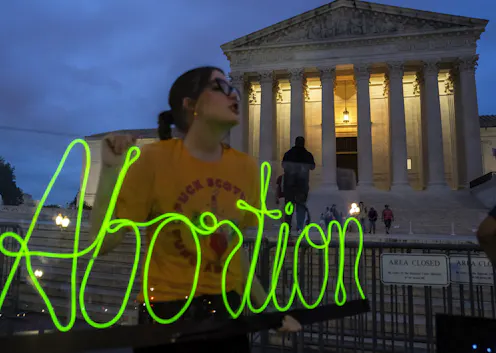
While both Congress and the president have extensive powers, they cannot easily change the law to protect abortions.

Women in Texas and in other states with abortion bans are suing, asking for clarification on when medical exceptions could actually be granted.
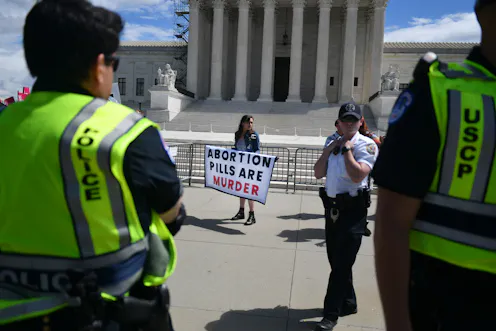
The 1873 Comstock Act makes it a crime to mail abortion drugs or medicine – raising legal questions about the law’s potential revival and influence over nationwide abortion laws.
Many people wonder how courts can rule in contradictory ways. But it happens relatively frequently.
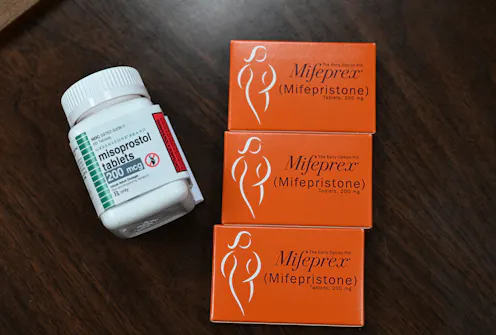
A rash of pending lawsuits raises questions about the FDA’s approval of mifepristone two decades ago, whether the drug can be legally mailed and the constitutional right to interstate commerce.

A pending bill in Colorado would disclose donor information to children and their parents and set limits on how many families can use a single individual’s egg or sperm.

Many people are filing lawsuits after discovering that sperm banks failed to verify information from donors about their medical and personal backgrounds.
Contact Sonia for
- General
- Media request
- Speaking request
- Consulting / Advising
- Research collaboration
- Research supervision
- Location: Washington, D.C., U.S.
- Website
- Article Feed
- Joined
