

Konsultasi ke psikolog terkadang membutuhkan banyak pertimbangan. Tanyakan pada diri sendiri apa kebutuhan kita.
- Clinical Psychologist and Professor in the Department of Psychology and Neuroscience, Dalhousie University

Il peut être difficile de savoir quand commencer une thérapie lorsqu’un problème persiste. Connaître les bonnes questions à se poser peut faciliter la décision.

Il peut être difficile de savoir quand arrêter la thérapie lorsqu’un problème persiste. Dans ce cas, il est utile de diviser la thérapie en deux phases : aiguë et d’entretien.

Pode ser difícil saber quando iniciar a terapia quando um problema está em andamento. Saber as perguntas certas a fazer a si mesmo pode ajudar a facilitar a decisão.

It can be difficult to know when to start therapy when a problem is ongoing. Knowing the right questions to ask yourself can help make the decision easier.

It can be difficult to know when to quit therapy when a problem is ongoing. In such cases, it can help to break the therapy down into two phases: ‘acute’ and ‘maintenance’

Le taux de mortalité des personnes souffrant de troubles alimentaires est six fois plus élevé que celui de la population générale.

We often think of self-esteem as either high or low, but the level of your self-esteem might be less important than the stability of your self-esteem.

Les mariages sont de plus en plus élaborés : des chaussures aux chemins de table, tout est parfaitement coordonné. Cela est emblématique de notre obsession culturelle pour la perfection.

Weddings have become increasingly curated: everything from the shoes to the table runners are perfectly themed and colour-co-ordinated. It is emblematic of our cultural obsession with perfection.

Some psychologists suggest a cultural emphasis on safety is contributing to rising anxiety and depression among teens.
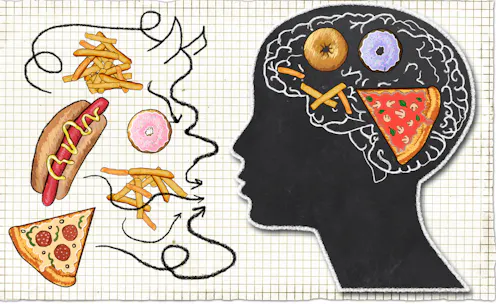
The mortality rate of people with eating disorders is six times higher than the general population, and they are five times more likely to attempt suicide. However, few people seek treatment.

Valentine’s Day can be isolating for people who aren’t in romantic relationships. But research shows there are benefits to remaining single.

Public policies should be looking to increase awareness of the link between alcohol and suicide and to assess and treat problematic alcohol use as a way to prevent suicide.

Penelitian terbaru menunjukkan bahwa perfeksionisme meningkat dalam 25 tahun terakhir, dan para perfeksionis sangat sensitif terhadap kegagalan dan kurang teliti seiring berjalannya waktu.

De nouvelles recherches montrent que le perfectionnisme a considérablement augmenté au cours des 25 dernières années et que les perfectionnistes deviennent de plus en plus névrosés au fil du temps.

New research shows that perfectionism has increased dramatically over the last 25 years, and that perfectionists become more neurotic and less conscientious as time passes.

Perfectionists have a higher chance of developing bulimia nervosa. Rather than treating symptoms of binge eating and vomiting, therapists should address this underlying personality trait.
Contact Simon for
- General
- Media request
- Speaking request
- Consulting / Advising
- Research collaboration
- Research supervision
- Location: Halifax, NS, Canada
- Website
- Article Feed
- Joined
