

Without market data, countries can’t address hunger and food insecurity.
- Professor of Economics, Centre for Competition, Regulation & Economic Development, UJ, and at SOAS University of London; advisor Shamba Centre for Food & Climate, University of Johannesburg
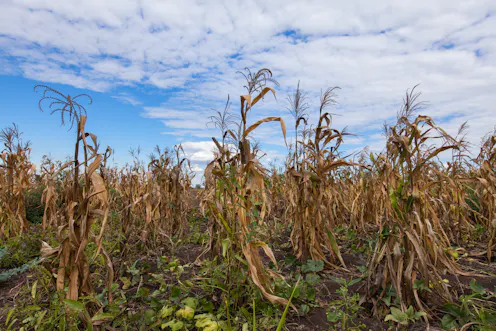
Approximately 22% of Malawians are food insecure, partly because of the poor maize harvest in 2023.

African competition authorities must investigate signs of anti-competitive conduct in fertilizer markets
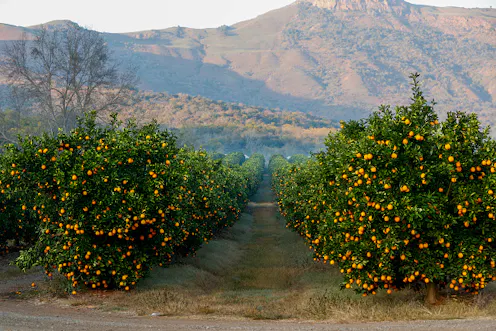
The new rules are de facto non-tariff barriers to trade. They increase trade costs for South Africa’s citrus industry.
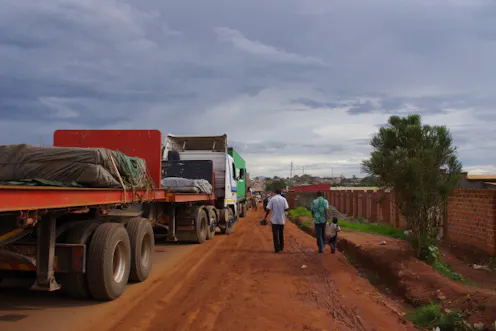
Producers in Zambia should be getting more for their crops, and buyers in East Africa should be paying less, alleviating food price spikes.
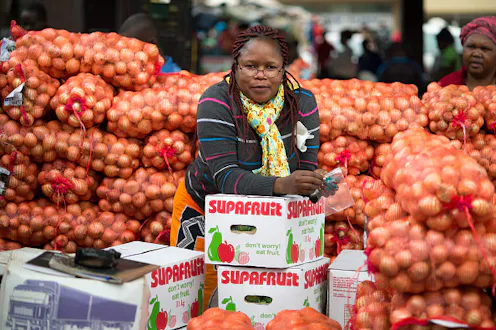
Monitoring and enforcing competition rules is essential to level the playing field for fairer food markets.
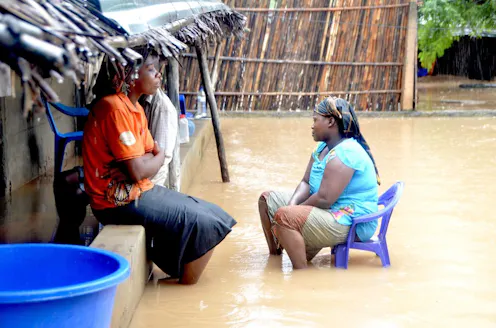
Small and medium-scale farmers and agri-businesses in Southern and Eastern Africa, which are at the heart of inclusive food value chains, are not receiving fair prices for their produce.
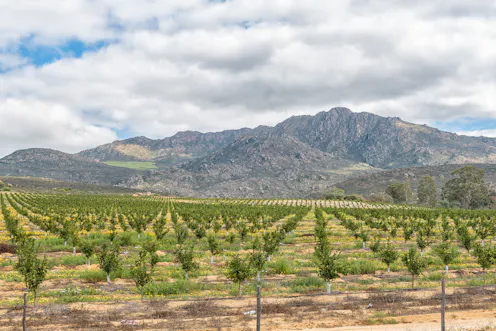
Collective action by the industry and government is key to unlocking opportunities for small and medium-sized citrus growers.
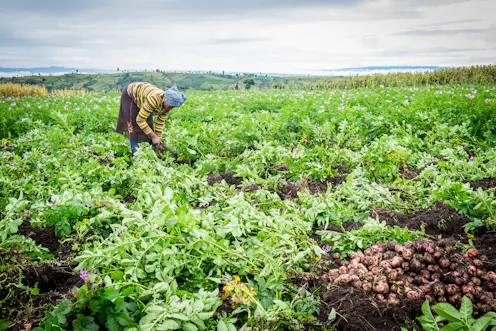
Poor and inconsistent pricing data makes it hard to assess agricultural markets.

South Africa needs a robust economic policy agenda to make it more open, productive and inclusive.

South Africa needs take a radically different path if it is going to make its economy more inclusive. It must start from the premise that markets are intrinsically skewed to historic privilege.
Contact Simon for
- General
- Media request
- Speaking request
- Consulting / Advising
- Research collaboration
- Research supervision
- Location: Johannesburg, South Africa
- Website
- Article Feed
- ORCID
- Joined
