
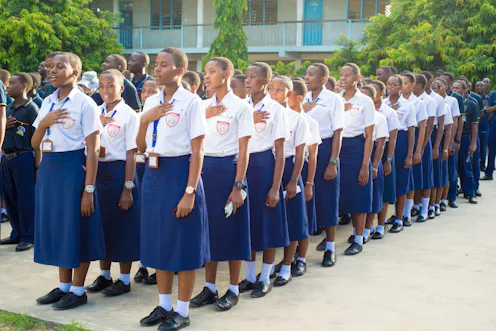
The pressure on Tanzanian students to rank higher has encouraged unhealthy competition among schools
- Post-Doctoral Research Fellow, SARChI in Higher Education and Human Development Research Group, University of the Free State
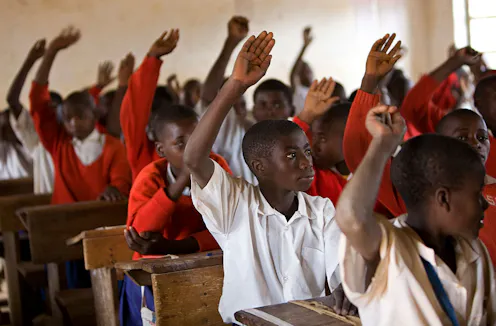
To achieve quality and inclusive education, Tanzania should prioritise disadvantaged and marginalised children in schools.
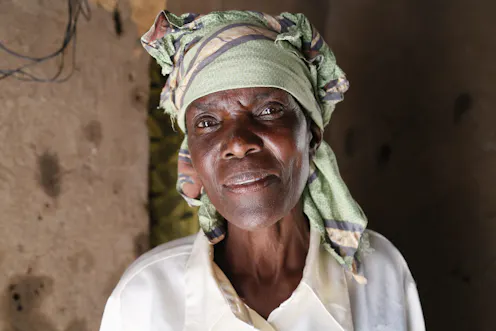
It is particularly dangerous to be an elderly person in Tanzania’s rural areas and villages. Legislation exists to protect this group, but it’s not being translated into reality.
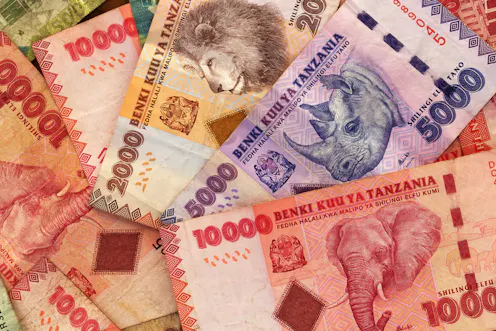
Tanzania’s government has uncovered evidence of 2 000 “ghost” students who are fraudulently obtaining loans. This costs the country and other students dearly.
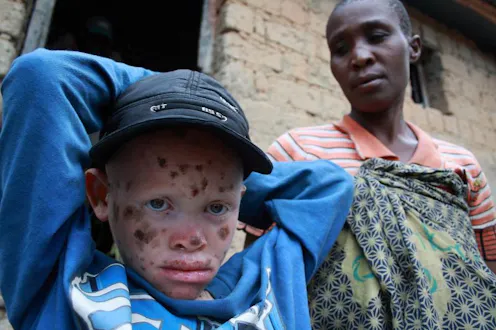
Children with albinism are teased and physically bullied by classmates who don’t understand their condition. They withdraw from learning – and many ultimately leave school early.
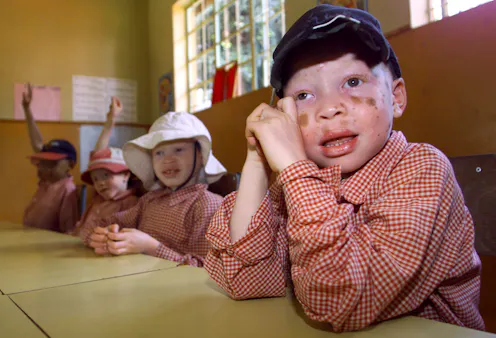
In Tanzania, where albinism is common, there’s plenty that ordinary teachers can do to support students with albinism – much of it quite simple.
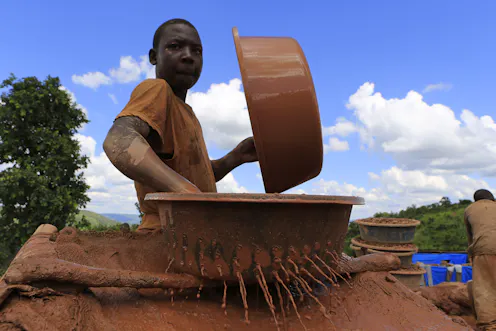
Child labour in Tanzania is driven largely by poverty. More must be done to keep children in school so their skills aren’t lost to the economy in the long run.
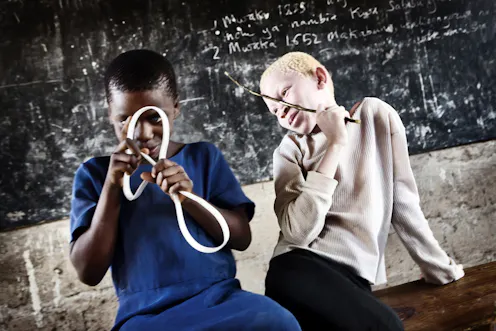
Children living with albinism are very vulnerable to attack, kidnapping, mutilation and murder. In Tanzania, fear is keeping many children away from school and costing them an education.
Contact Simon for
- General
- Media request
- Speaking request
- Consulting / Advising
- Research collaboration
- Research supervision
- Location: Dar es Salaam, Tanzania
- Website
- X (formerly Twitter): @Simon Ngalomba
- Article Feed
- ORCID
- Joined
