
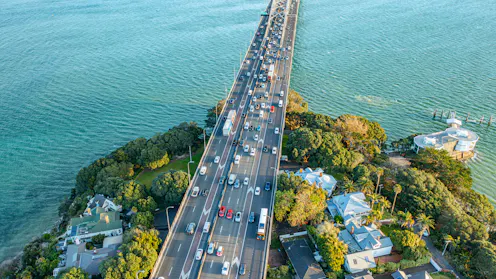
By charging all road users, the shift away from a petrol tax could help fund safer roads and lower pollution. NZ should embrace the opportunity to be innovative.
- Professor of Human Geography, University of Canterbury
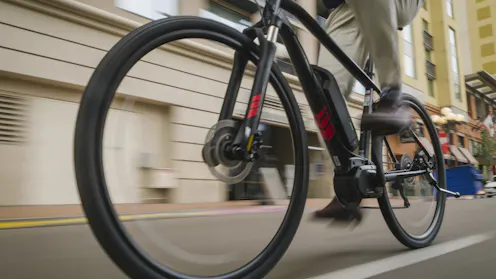
These pilot schemes suggest e-bikes can be popular even in non-riding communities. But easy access, infrastructure and local organisation are all vital.

Encouraging walking, cycling and public transport use requires a cohesive, collaborative approach by all involved. The latest University of Canterbury travel survey shows how effective it can be.
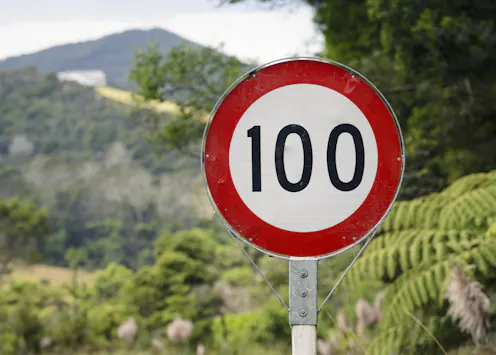
The government plans to increase speed limits, despite research showing the benefits of going slow. With submissions on the proposals closing next week, several important factors should guide policy

New Zealand tends to focus on big infrastructural projects such as tunnels or light rail to change cities. But there are cheaper ways to add public spaces to urban design.
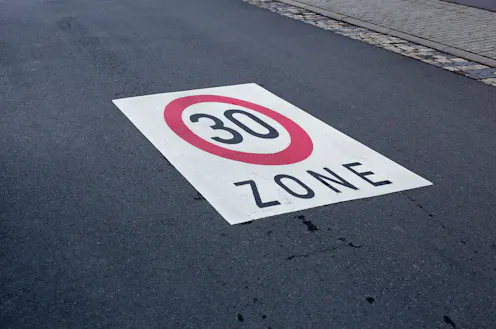
Despite claims that lowering speed limits will harm the economy, evidence suggests journey times are hardly affected. And beyond reducing the road toll, there are health and climate benefits, too.
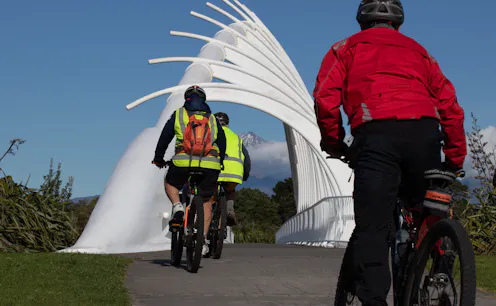
Transport planners estimate money spent on high-quality cycling infrastructure yields benefits between ten and 25 times the costs.
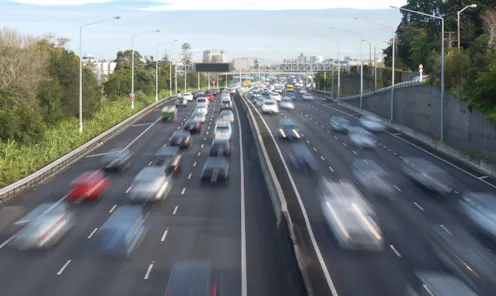
Motorways were once seen as a way of reducing congestion in our towns and cities. But the more we build, the more they fill with drivers.

The drop in traffic during COVID-19 lockdowns reduced global emissions. If we keep encouraging cycling and working from home beyond the pandemic, our climate goals may become more achievable.
Contact Simon for
- General
- Media request
- Speaking request
- Consulting / Advising
- Research collaboration
- Research supervision
- Location: Christchurch
- Website
- X (formerly Twitter): @SimonKingham
- Article Feed
- ORCID
- Joined
