
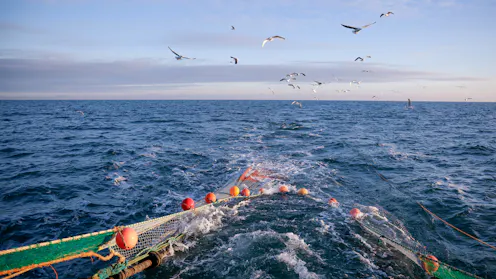
Amid renewed debate over bottom trawling, decades of marine research suggest the balance between fishing and conservation needs revisiting.
- Professor of Marine Science, University of Auckland, Waipapa Taumata Rau
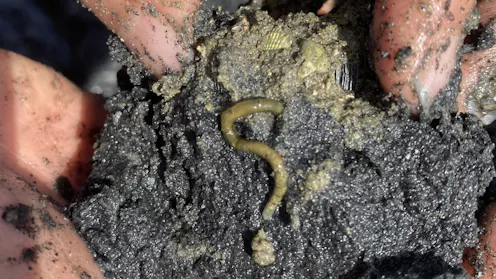
Tiny seafloor creatures play a vital role in coastal ecosystems. New research suggests microplastics may now be interfering with that balance.

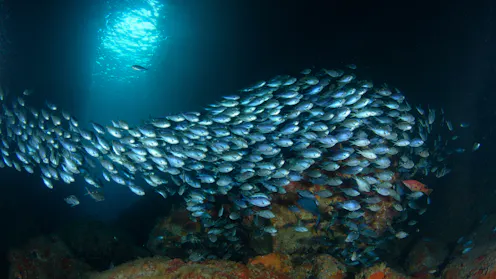
The recovery of kelp forests brought many fish species back. But fish stocks in the reserve remain far below those present before commercial fishing took off.
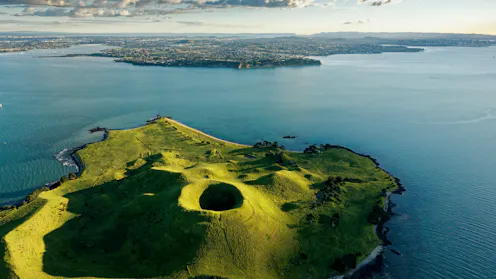
An exception for commercial ring-net fishing in some protected areas of the Hauraki Gulf means they don’t count towards the global goal of protecting 30% by 2030.
The High Seas Treaty comes into force in January. New Zealand lags behind on several fronts, including marine protection and recognition of Māori customary rights.
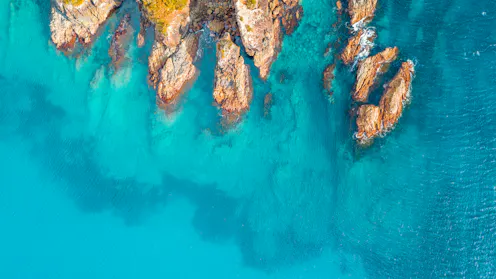
Two international ocean science and policy meetings this month have called on nations to be more ambitious in their efforts to protect and restore marine ecosystems.
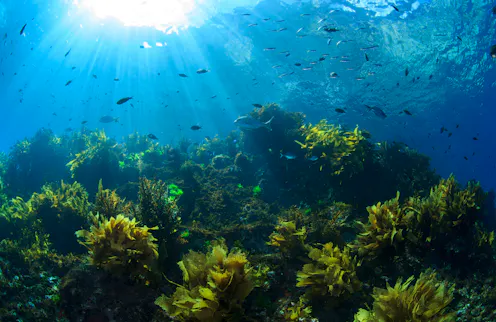
Seagrass meadows, mangroves and kelp forests are carbon sinks. Restoring or protecting them addresses both biodiversity loss and the climate crisis.
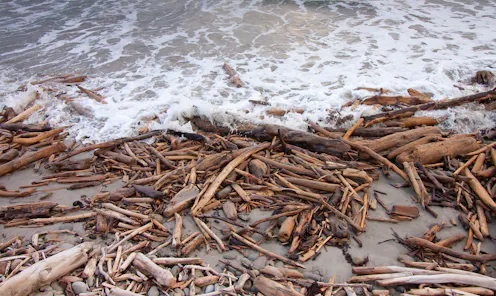
Pollution on land inevitably ends up in the sea. Policy makers must stop working in silos and instead consider the indirect consequences human impacts on land have for marine environments.
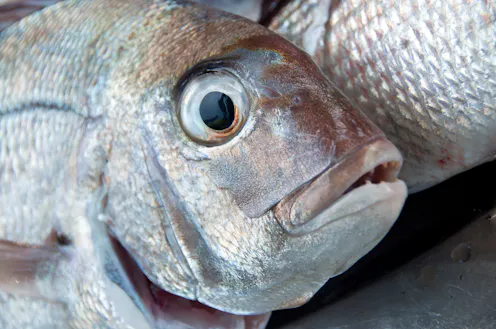
New Zealand’s fisheries are considered among the best managed in the world, but this perception doesn’t match the facts.
Contact Simon for
- General
- Media request
- Speaking request
- Consulting / Advising
- Research collaboration
- Research supervision
- Article Feed
- Joined
