

When urban spaces work well they are highly social spaces. How do we safely manage them and people’s fears about mingling when ‘being together but apart’ is the norm?
- Lecturer and Researcher, Urban Design and Town Planning, University of the Sunshine Coast
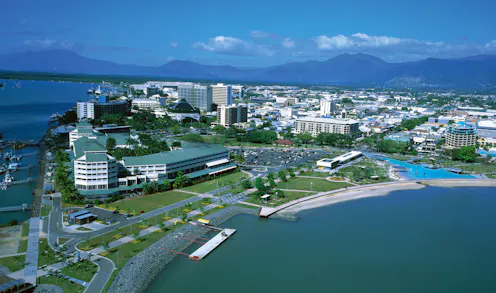
The world’s fastest-growing cities are in the tropics. They are highly exposed to climate change, especially as urban heat island effects and humidity magnify the impacts of increasing heatwaves.

Good urban design and walkability boost local economic activity by increasing public activity, but cities need to pay more attention to the effects of microclimates on streets and public spaces.

When we plan a better future for an increasingly urbanised world, we need to be aware that more than half of all children now live in the tropics. That calls for solutions with a tropical character.
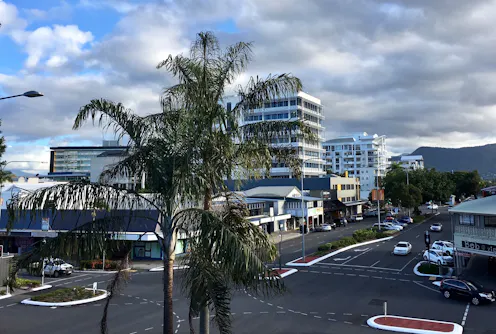
Urbanisation is the main reason for rising temperatures and water pollution, but receives little attention in discussions about the health of water streams, reefs and oceans.
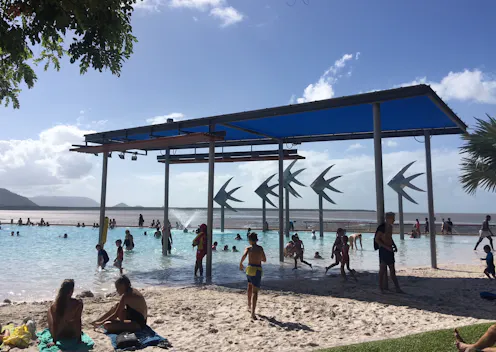
There’s no such thing as a one-size-fits-all plan for sustainable, healthy urban living. Urban diaries help identify what works – and doesn’t work – for tropical cities like Cairns or Townsville.
Contact Silvia for
- General
- Media request
- Speaking request
- Consulting / Advising
- Research collaboration
- Research supervision
- Location: Sunshine Coast, Australia
- Website
- X (formerly Twitter): @silgtavares
- Article Feed
- ORCID
- Joined
