

Location-sharing apps provide convenience and a sense of security for families. But they can also be used as a weapon of control.
- Professor of Social Work; Leneen Forde Chair in Child & Family Research, Griffith University

One person said: ‘I had to report at the police station where he works, where everybody knows everybody’.

New research shows violence between siblings is prevalent among young people who have experienced family and domestic violence.

While the actions outlined in the plans are admirable, achieving the set targets will require a significant increase in urgency and funding.

We need not just an acknowledgement of children as victim-survivors in their own right but a commitment to boost resourcing of child-centred recovery support.

Young people who experienced violence between other family members, and had been directly subjected to abuse, were 9.2 times more likely to use violence in the home.

A new book by Manjula Datta O’Connor argues that family violence raises some culturally specific issues, but the problem is not limited any particular group.

First Nations young people make up around 20% of missing children in Australia. However, these cases rarely make national, let alone international headlines.

A key part of the budget’s focus on women was a funding boost to help stop domestic violence.

Australia first needs a better understanding of what coercive control is and how to respond to it. If law reform is rushed, victims will be put at risk.

New research finds frontline domestic violence workers are at risk of burnout, due to increased pressures around COVID-19.
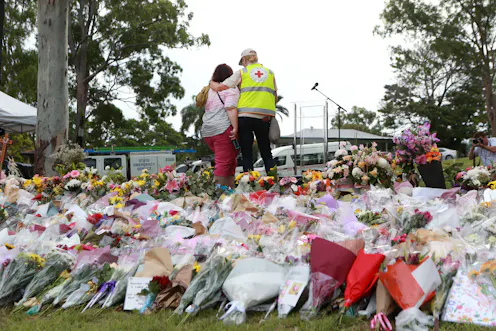
The inquiry’s final report is thin, adding little to what we already know about the scourge of family violence and missing a chance to demonstrate genuine commitment to combating it.

There’s a real risk perpetrators of domestic violence will go ‘unchecked’ during the pandemic. But programs are coming up with innovative ways to monitor them and provide them with support.

While it’s important to protect vulnerable children from exposure to further harm, it’s also important to give them a voice to speak about their own trauma from domestic violence.

In order to change public opinion, campaigns need to move beyond awareness raising and start addressing the perpetrators and causes of domestic violence.
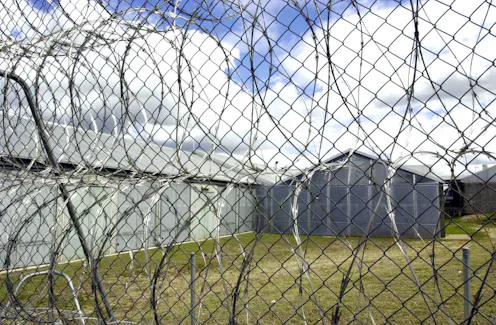
To reduce female recidivism rates, we need to address inmates’ histories of trauma and abuse.

By drawing on interviews with perpetrators and their ex-partners and police evidence, a common discrepancy in victim and perpetrator accounts of domestic and family violence becomes blatantly obvious.

Part one of the ABC’s Hitting Home provides an insight into the work of those responding to domestic violence on the front line – including police, courts, refuges, and a specialist forensic unit.

Australia should be looking at international best practice for early intervention programs targeting young people at risk of joining violent gangs and right-wing extremist groups.

Can the Queensland government’s domestic violence reforms address the heightened risk involved in leaving an abusive or controlling partner?
Contact Silke for
- General
- Media request
- Speaking request
- Consulting / Advising
- Research collaboration
- Research supervision
- Location: Brisbane, Australia
- Website
- X (formerly Twitter): @SilkeMeyer_DFV
- Article Feed
- ORCID
- Joined
