

A study of more than 750,000 student records from four Toronto universities finds that living in residence is linked to better grades and higher satisfaction, especially for first-year students.
- Professor, Urban and Regional Planning, Toronto Metropolitan University
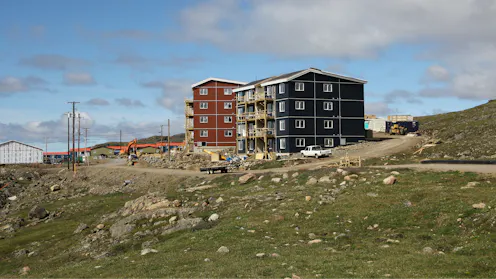
As Canada rushes to build housing similar to the post-Second World War era, it must not forget how many chronic economic, health and housing challenges that onetime boom created for the North.
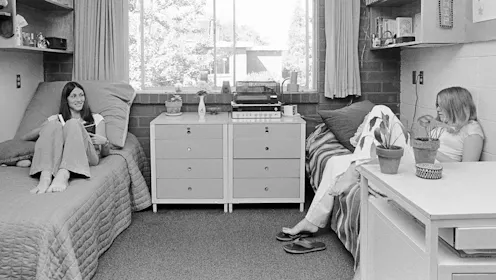
Student residences built in recent decades prioritize privacy, yet research shows a lack of student socialization spaces negatively affects students’ academic performance and well-being.
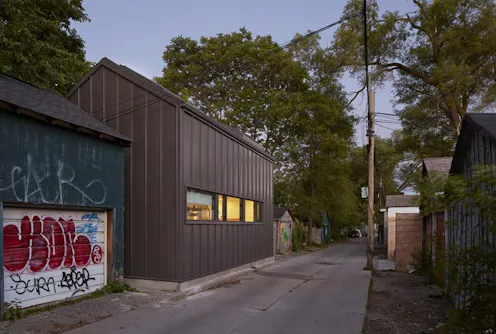
Laneway suites could increase rental stock in established neighbourhoods without affecting their character. Toronto has lagged behind other cities in Canada and North America.
Contact Shelagh for
- General
- Media request
- Speaking request
- Consulting / Advising
- Research collaboration
- Research supervision
- Location: Toronto, Canada
- Website
- LinkedIn: Shelagh McCartney
- X (formerly Twitter): @shelaghmccart
- Article Feed
- ORCID
- Joined
