

H5N1 is the latest evidence that climate change is altering how viruses spread and evolve. It is essential that global public health officials take these dynamics into account.
- Professor of Immunology and Associate Dean, Research and Graduate Studies, University of Guelph
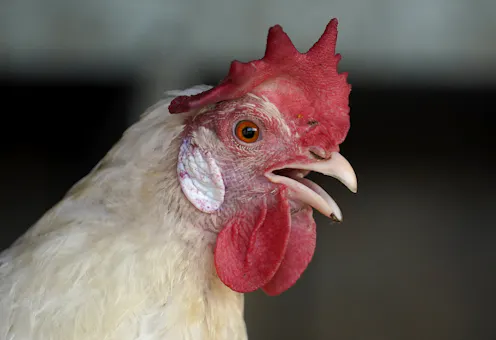
Avian influenza virus — or bird flu — can infect domestic poultry such as chickens and turkeys, as well as wild birds. The H5N1 strain has been identified in Canada.
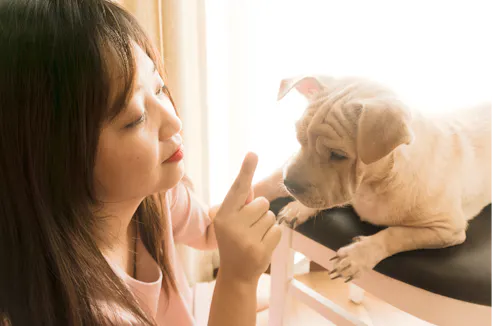
Treating companion animals like cats and dogs for cancer can bring us closer to a cure for humans.
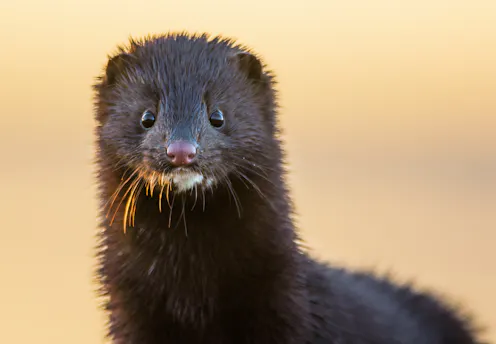
In the disturbing scenario of human-to-mink-to-human COVID-19 transmission, the virus may mutate in mink prior to re-infecting people. That possibility makes vaccine design even more crucial.
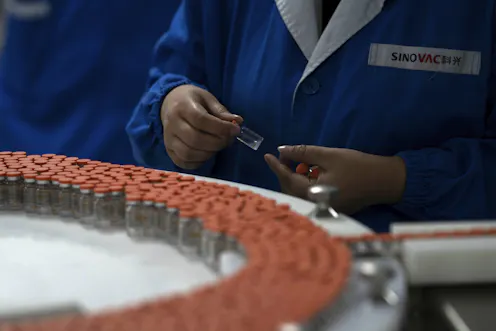
Notre exposition à un agent pathogène, que ce soit naturellement ou par la vaccination, peut affecter la manière dont notre système immunitaire réagira à l’avenir à des agents pathogènes similaires.
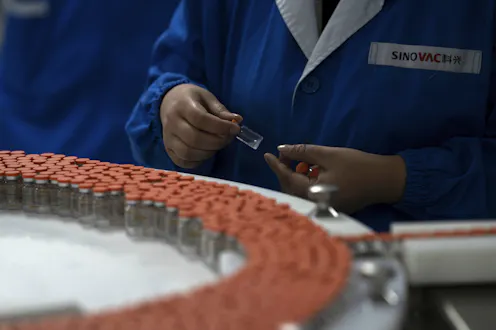
Our first exposure to a pathogen, either naturally or via vaccination, can affect how our immune system responds in the future to the same or similar pathogens.
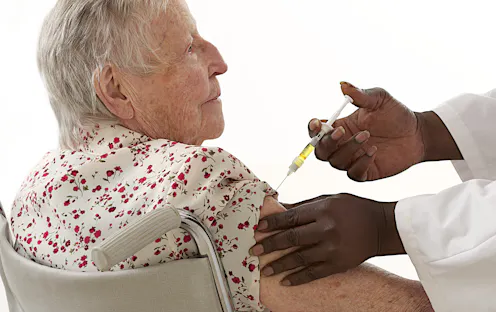
Immunosenescence — the decline of immune system function with age — means that vaccines are not as effective in older adults, the demographic most susceptible to many diseases, including COVID-19.
It usually takes 10 years for a new vaccine to complete clinical trials, but we’ve been promised a COVID-19 vaccine in 12 to 18 months. Even if such fast-tracked development is possible, is it wise?
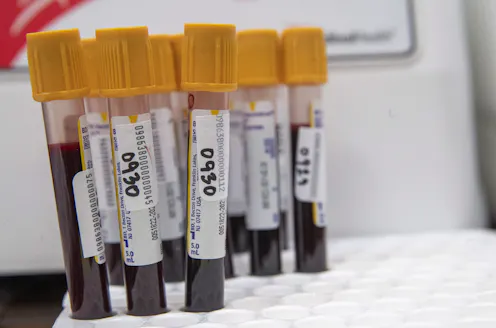
Immunity to COVID-19 may be complicated. Here are the promises and pitfalls of antibody tests.
Contact Shayan for
- General
- Media request
- Speaking request
- Consulting / Advising
- Research collaboration
- Research supervision
- Location: Guelph, Canada
- Article Feed
- Joined
