

New Zealand can learn from the issues raised in Australia’s recently released COVID inquiry report. It would benefit from closer collaboration to build capacity in disease surveillance and testing.
- Adjunct professor, Te Herenga Waka — Victoria University of Wellington

New Zealand’s system of managed quarantine at the border may soon be less important, but we could well need to stand it up again quickly if a new COVID-19 variant emerges.

Today’s announcement sent a clear message to all regions – get to a 90% vaccination rate or face the possibility of a lockdown when COVID-19 inevitably arrives.

Whenever the government reduces alert levels, it shifts some of the responsibility for managing the outbreak to the public. We need to enjoy the small additional freedoms responsibly.

Daily case numbers are trending down and the reproductive number is about 0.4, close to what it was the last time New Zealand was under the strictest lockdown. It shows the restrictions are working.
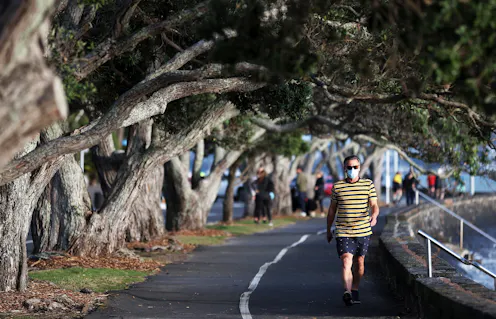
Several superspreading events had likely infected more than 200 people before New Zealand’s Delta outbreak was detected and the country went into a strict lockdown last week.
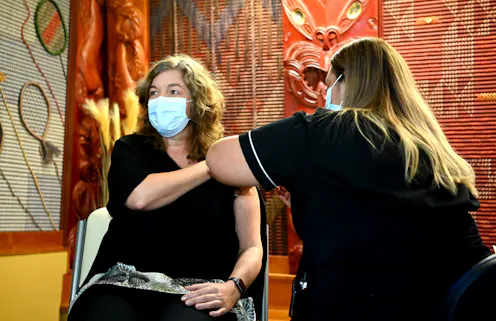
New Zealand will have to vaccinate 80-85% to reach population immunity. Until then, a blanket border re-opening, even if only for vaccinated people, would pose a high risk of new outbreaks.

New Zealand and Australia both had COVID-19 outbreaks originating from border facilities, but as frontline border workers are prioritised for vaccination, the risk of this happening again is lower.

Moving Auckland to level 3 for a week gives health officials time to track down additional cases and shut off chains of transmission. But we should also be prepared for a wider outbreak.

The highly infectious nature of the COVID-19 variant, and the fact the infections have no clear link to the border, leaves the worrying possibility of a more widespread community outbreak.

A new study argues for selective border relaxations. But with COVID-19 more prevalent now than at almost any point in the past, the risk would be substantial.
A variant with a higher transmission rate is much more dangerous than one with just a higher fatality rate.

The latest COVID-19 modelling shows New Zealand will have a 50-50 chance of eliminating the virus again by the end of the month, provided the Auckland cluster stays contained.
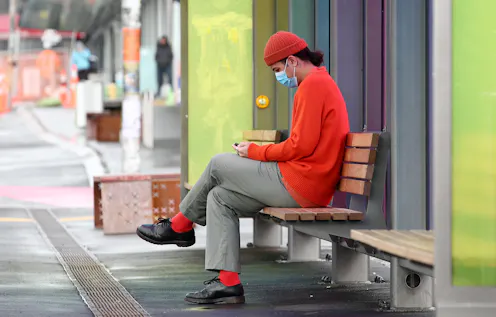
As Auckland prepares to ease restrictions from Monday, active COVID-19 cases almost certainly remain in the community. Masks will become compulsory on public transport to avoid new outbreaks.
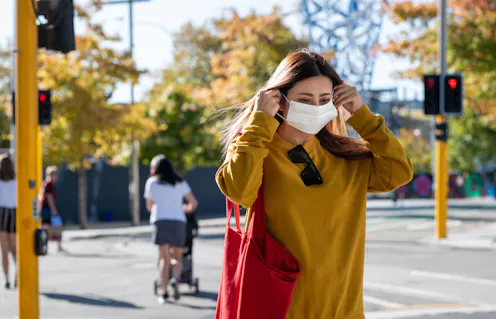
New Zealand has confirmed a new community outbreak of COVID-19 and the country returns to pandemic restrictions, with Auckland under alert level 3 conditions.

Border restrictions and quarantine have kept COVID-19 out of New Zealand, but new modelling shows contact tracing and quick isolation would control an outbreak, without the need for another lockdown.

Our new modelling shows the risk of an infectious person slipping through New Zealand’s border undetected is very low — likely to happen only once over the next 18 months.

Two new cases of COVID-19 have been announced in New Zealand, after 23 consecutive days with no new cases. But that doesn’t mean that the country’s elimination efforts have failed.

There’s now a 95% chance COVID-19 has been eliminated in NZ, according to our modelling. But as NZ prepares to remove limits on large gatherings, it increases the risk of a very large new outbreak.

Globally, emissions from air travel account for only about 3% of the warming human activities are causing, but aviation affects our climate in a number of ways.

Taking inspiration from the spread of world religions, Quentin Atkinson and Shaun Hendy argue scientists need to do more to signal commitment to ideas they want to spread.
Contact Shaun for
- General
- Media request
- Speaking request
- Consulting / Advising
- Research collaboration
- Research supervision
- Location: New Zealand
- Website
- X (formerly Twitter): @hendysh
- Article Feed
- ORCID
- Joined
