
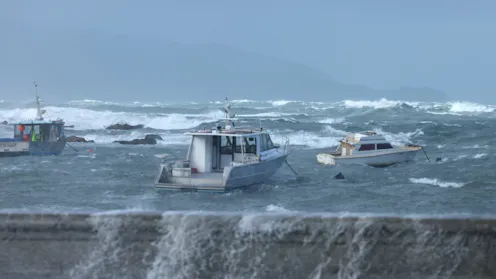
When trust in institutions is weak, emergency warnings can become entangled with narratives about government competency and bureaucratic overreach.
- Senior Lecturer in Physical Geography, Te Herenga Waka — Victoria University of Wellington

Snow and ice loss warms the land surface and air, setting off a feedback loop of further ice loss. This destabilises the landscape, with potentially hazardous impacts.

Earth’s climate system is connected across hemispheres. When the Atlantic Meridional Overturning Circulation weakens and Europe cools, warming in New Zealand and southern mid-latitudes accelerates.
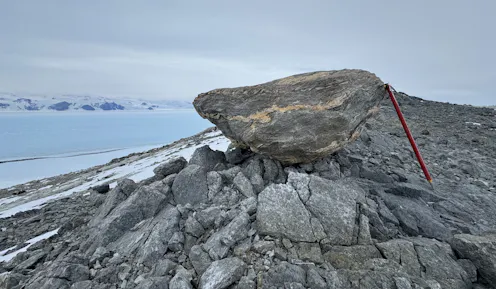
When landslides or glaciers bring rocks to the surface, cosmic rays bombard them, smashing common atoms into rarer forms and acting as a chronometer of the changing Earth.
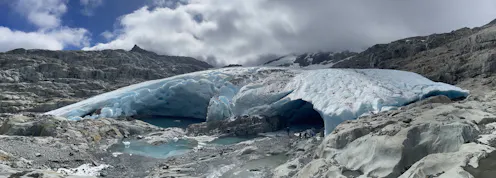
An estimated 13 trillion litres of ice has already been lost from glaciers in New Zealand’s Southern Alps since 1978. Several are now approaching extinction.
Contact Shaun for
- General
- Media request
- Speaking request
- Consulting / Advising
- Research collaboration
- Research supervision
- Location: Wellington, New Zealand
- X (formerly Twitter): @GIShaun
- Article Feed
- ORCID
- Joined
