

Four years of persistent ozone holes have sparked concern about what more UV is doing to Antarctic ecosystems.
- Australian Laureate Fellow, Distinguished Professor, Deputy Director of ARC Securing Antarctica's Environmental Future (SAEF), University of Wollongong
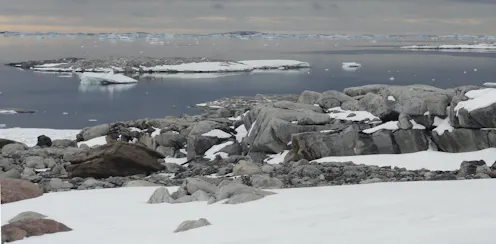
Gelombang panas ini menjadi tanda-tanda bagaimana pola cuaca di tengah iklim yang berubah di masa depan.
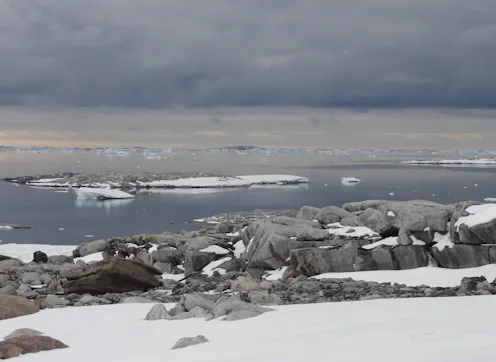
This seemingly one-off heatwave may be a harbinger for the future under climate change.

The heatwave highlights the connectedness of our climate systems: from the monsoon tropics to the southernmost continent.

Mosses are the only plants that can withstand life in East Antarctica’s frozen landscape. But a new study shows that life is getting even harder, as ozone loss and climate change make conditions even drier.
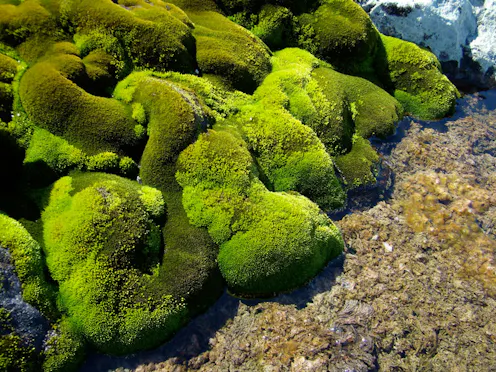
Mosses are sensitive to even minor changes in their living conditions, and scientists traditionally tramped through difficult terrain to collect data on them.

Many people think of sunburn and skin cancer when they hear about the ozone hole. But more ultraviolet (UV) radiation isn’t the only problem. The ozone hole has also led to dramatic changes in Southern…
Contact Sharon for
- General
- Media request
- Speaking request
- Consulting / Advising
- Research collaboration
- Research supervision
- Location: University of Wollongong, Australia
- Website
- YouTube: @sharonrobinson27
- Article Feed
- ORCID
- Joined
