

Disparities in learning and work, as well as increased exposure to scams, are just some of the risks of a growing ‘AI divide’.
- Associate Professor & Associate Investigator ARC Centre of Excellence for Automated Decision Making + Society, Swinburne University of Technology
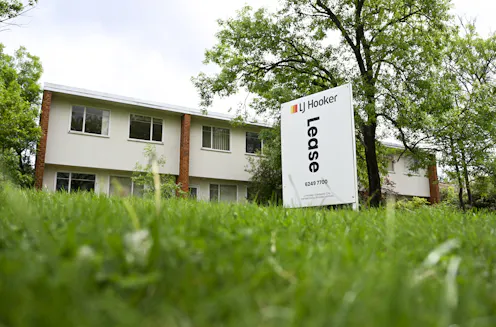
It’s often claimed that reforming tenancy laws to better protect tenants will drive landlords out of the market, leading to fewer rental properties. A new study finds no evidence to support the claim.

Surveys with householders showed they want safety and security. Post-COVID that desire will be even stronger.

We might have had a glimpse of new ways of urban living, but history offers a note of caution. Lasting change depends on us applying technology and taking deliberate action to seize this opportunity.
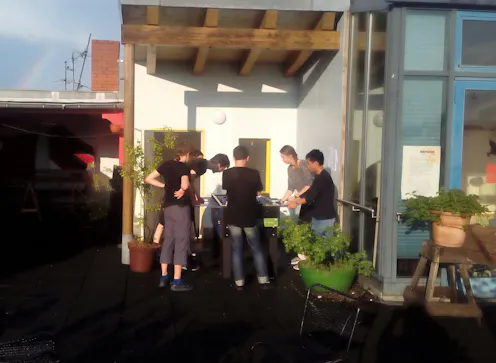
The housing aspirations of young Australians change as they enter their late 20s and early 30s. But having somewhere safe and secure to call home is the top priority for all young adults.

Most older Australians want to live in a home they own, preferably in the middle and outer suburbs of a city. But increasing numbers look unlikely to realise their housing aspirations.
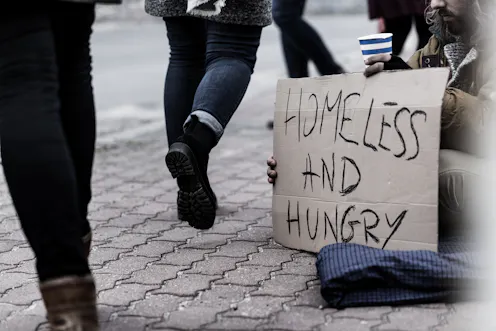
Homelessness in Australia is increasingly concentrated in the capital cities, where nearly two in every three people without a home are now found. That’s the finding of a study of the data since 2001.
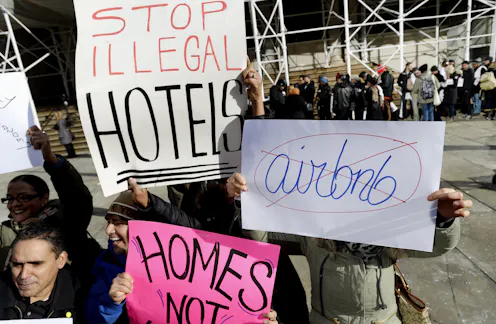
Short-term letting via digital platforms benefits some in the market at the expense of others. Closer regulation might be needed in Melbourne and Sydney, where a permissive approach prevails.
Contact Sharon for
- General
- Media request
- Speaking request
- Consulting / Advising
- Research collaboration
- Research supervision
- Location: Melbourne, Australia
- Website
- X (formerly Twitter): @sl_parkinson
- Article Feed
- Joined
