

It’s more than likely we’ll face another pandemic in the future. So what can we learn from COVID?
- Melbourne Laureate Professor, University of Melbourne; Director, The Peter Doherty Institute for Infection and Immunity
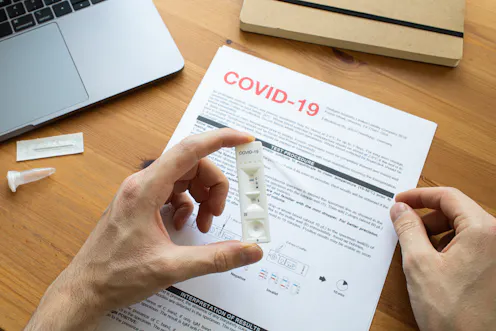
The evidence suggests antigen tests are most accurate when the viral load is highest and when a person is likely to be most infectious.

Saliva testing is less sensitive than a nasal swab. But in the midst of a public health crisis, in some cases a test with slightly reduced sensitivity may be better than no test at all.

HIV diagnosis is devastating for patients and their families. But the infection is no longer a death sentence, and should not be prosecuted as such say experts.

Peter Doherty’s Nobel Prize-winning insights proved crucial for understanding how viral infections are controlled.
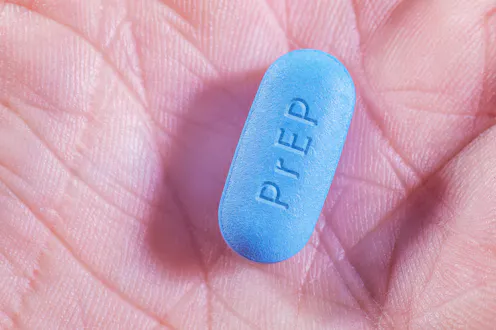
Efficacy is estimated to be as high as 99% in men who have sex with men who take Truvada daily.

HIV research continues to search for a cure. The focus is on developing therapies to cure HIV infection or allow people with HIV to safely stop antiretroviral therapy and keep the virus under control.

A new animal study has shown injections of antibodies might protect against HIV infection, albeit for only a limited time.

Ebola’s clever trick – to lie dormant inside a cell or to hide in a particular organ – is not unfamiliar. Lots of viruses do it. HIV is the master of such a trick.

Researchers have found a promising way of kicking the AIDS virus out of its hiding place in infected cells, potentially removing the main obstacle to curing HIV.

A new fingerprick test given at the patient’s bedside predicts Ebola infection within minutes.
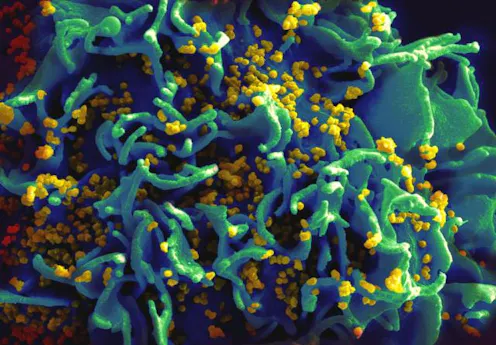
A second case of a baby who was ostensibly “cured” of HIV after early treatment has been discounted as a possible breakthrough in fighting the disease. The case of an Italian baby who relapsed after appearing…

A combination of four drugs can flush out HIV-infected cells from hidden reservoirs in the body and kill them with a boost to the immune system, according to research published in the journal Cell today…

One of the greatest success stories in modern medicine is that HIV is no longer a death sentence, but a chronic, manageable disease that often can be managed with a single tablet a day. Antiretroviral…
Contact Sharon for
- General
- Media request
- Speaking request
- Consulting / Advising
- Research collaboration
- Research supervision
- Location: Melbourne, Australia
- Website
- X (formerly Twitter): @ProfSharonLewin
- Article Feed
- Joined
