

Zakat is an obligatory charitable practice for which donations are traditionally made through institutions.
- Assistant Professor of Philanthropic Studies, Indiana University

Aga Khan, the religious leader of the Ismailis – a sect of Islam – established the Aga Khan Foundation in 1967. It has served millions around the world since then.

Access to halal mortgages, which provide interest-free housing loans, has been growing in the US.
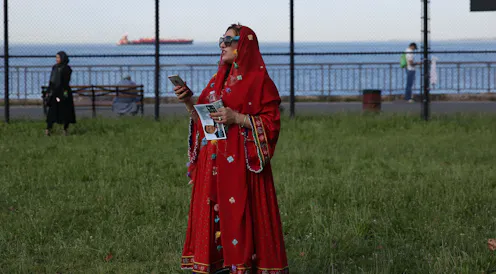
Civic engagement is more correlated with giving than religiosity, new research indicates.

During the month-long period of fasting, the obligation of zakat takes on heightened significance.

The kind of giving known as Zakat can include everything from donating to nonprofits to smiling at strangers.

Muslims also gave more to causes tied to relief from economic and health problems that arose during the COVID-19 pandemic.

The Chronicle of Philanthropy’s latest ranking indicates that the coronavirus and heightened awareness about racism made a difference, but not necessarily a lasting one.
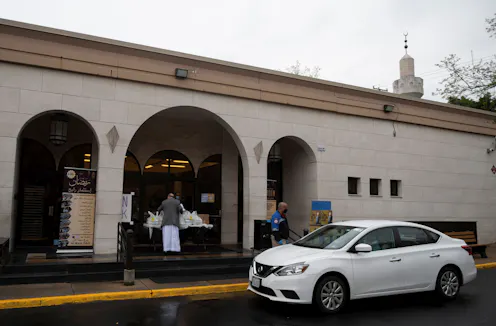
Social distancing has made giving to the poor – an obligation under Islam – harder this Ramadan. Meanwhile Muslim nonprofits are feeling the strain of the economic downturn.
Contact Shariq for
- General
- Media request
- Speaking request
- Consulting / Advising
- Research collaboration
- Research supervision
- Location: Indianapolis, Indiana, U.S.
- Website
- X (formerly Twitter): @Shariqindy
- Article Feed
- Joined
