
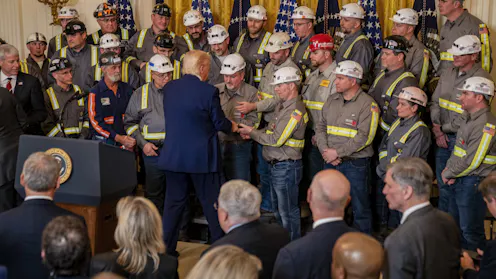
The Trump administration has made several efforts to support the coal industry, but even if coal were free, the economics aren’t in its favor.
- Professor of Energy and Environmental Economics and International Affairs, Penn State

Electricity rates are soaring in Pennsylvania and other parts of the country. 2 energy experts offer tips to lower your monthly bill.
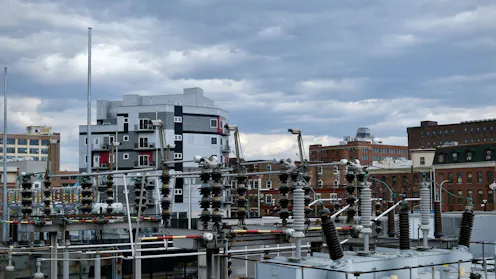
Aging infrastructure, transmission bottlenecks and increased demand from data centers are hitting consumers’ wallets.
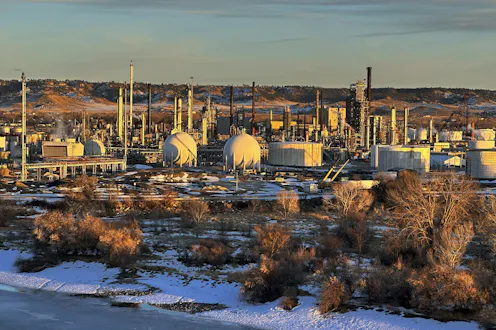
The US produces more oil today than any other country, and there is no clear emergency on the scale of the energy crises of the 1970s. But there are some causes for concern.
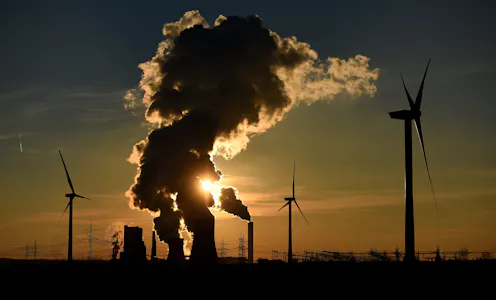
Roundtable discussions with leaders from major energy companies reveal a lack of pressure from regulators or investors and a strong belief that fossil fuel use will continue for years to come.
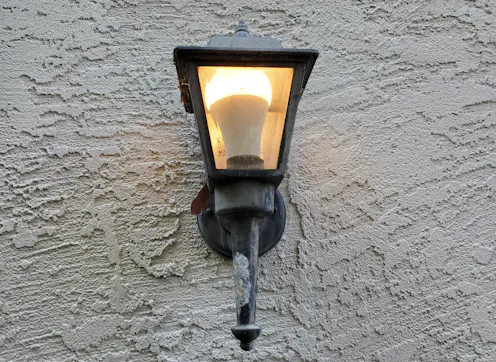
Many people want to know about practical suggestions to help slow climate change. Effective action starts at home.
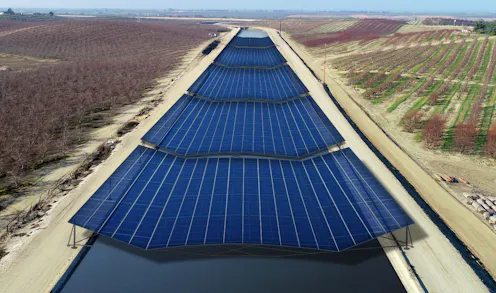
From pulling carbon dioxide out of the air to turning water into fuel, innovators are developing new technologies and pairing existing ones to help slow global warming.
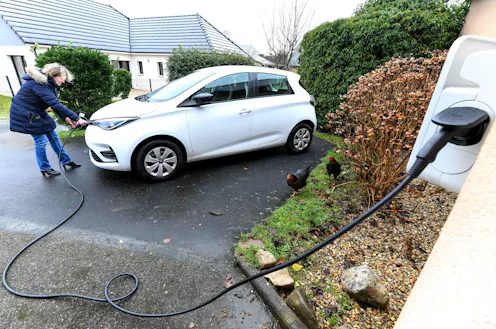
Bidirectional charging is the next big stage for electric vehicles. But storing power in your car and sending it back to your house involves more than flipping a switch.
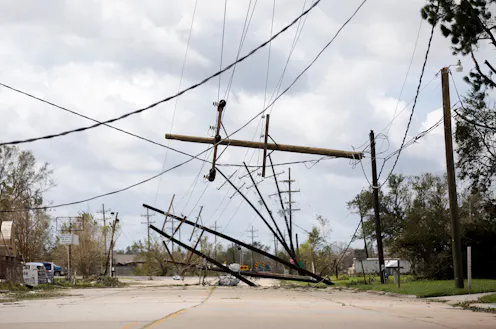
Building even more power poles and transmission lines won’t avert outages when major disasters strike.
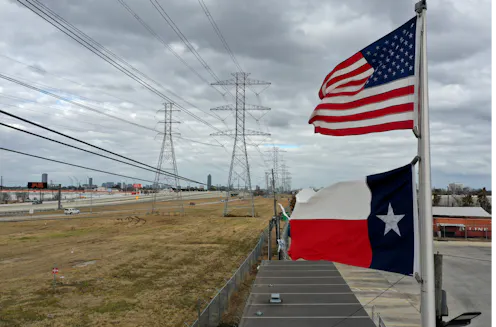
Some Texans are receiving eye-popping electric bills after power providers passed on volatile costs to some of their customers – legally.
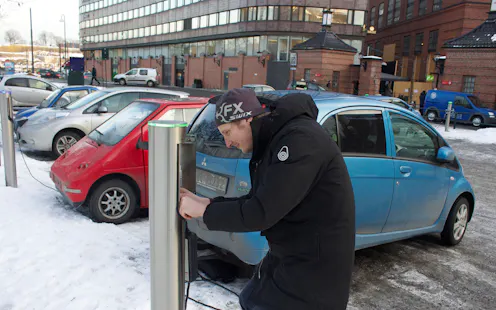
There are precedents regarding power generation and ethanol but no nation has ever achieved as comprehensive and dramatic this fast.
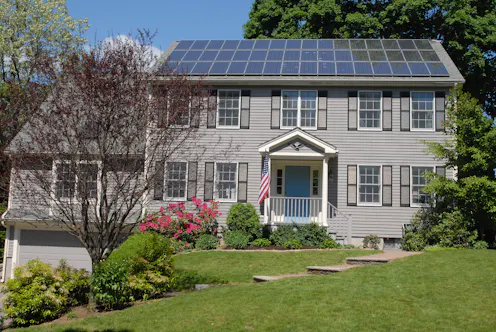
Utilities are pushing back against the spread of rooftop solar power and charging bigger fees to solar homes. Who is right in this solar-versus-utilities fight?
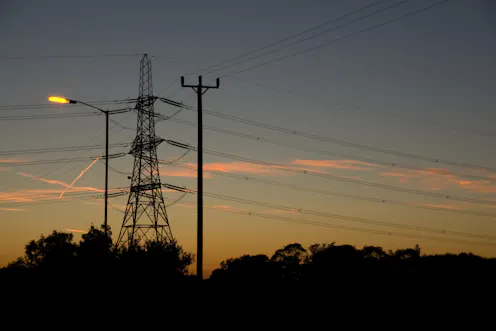
An obscure Supreme Court ruling paves the way for people and businesses to earn money with distributed energy technologies.
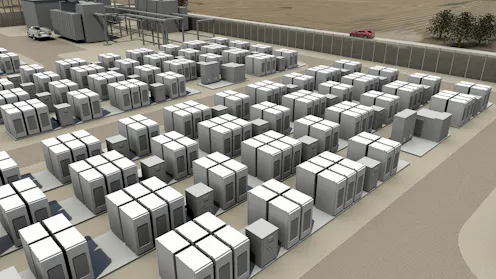
The Supreme Court hears a case that will decide whether homes and businesses can earn money from distributed energy technologies, including demand response and home battery systems.
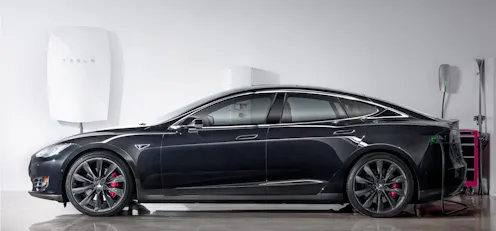
As it’s done with its electric cars, Tesla will need to rely on well-heeled early technology adopters and friendly regulations to sell lots of home batteries.
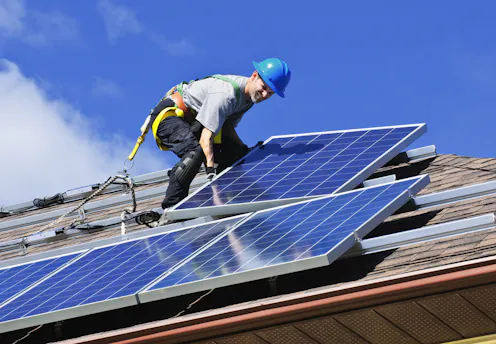
Electric utilities want to quash distributed solar because they don’t want the competition, right? Perhaps, but if you rely at all on the grid, you have a stake in this fight, too.
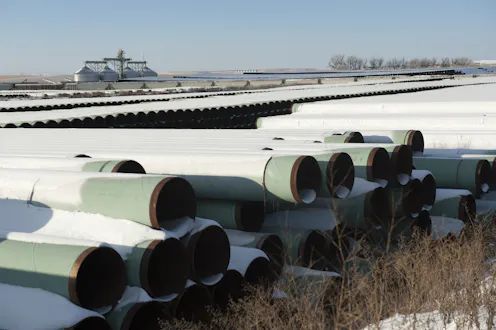
A roundtable of energy experts weigh in on the significance of Obama’s veto — the economics, the politics and the environmental — as well as what’s next.
Contact Seth for
- General
- Media request
- Speaking request
- Consulting / Advising
- Research collaboration
- Research supervision
- Location: State College, Pennsylvania, U.S.
- Website
- Article Feed
- Joined
