

Dementia is now the leading cause of death, overtaking heart disease. The Conversation’s experts explain how Australians’ health has changed – both good and bad.
- Associate Professor, Brain and Mind Centre, University of Sydney
- Associate Professor, Health Research Institute, University of Canberra

The tragedy has again exposed a system that doesn’t reach out to those who are most unwell.

Australia’s response to mental illness is still hospital-centric. Treating more patients in their homes is a step in the right direction.

The Productivity Commission has found governments’ agreements to improve mental health care and reduce suicides are ‘not fit for purpose’.
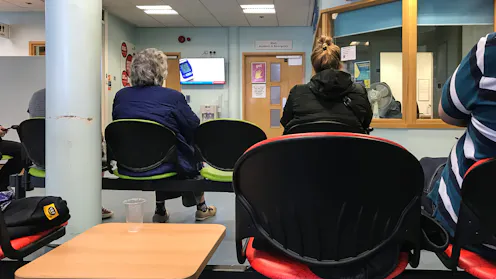
Hospitals are expensive and often traumatic places to provide mental health care.

Here’s what the government’s new funding package for mental health gets right – and where it falls short.
Most Australians might expect more mental health services to be delivered to those who need them the most, which would be many in the lowest income areas. We found the opposite occurs.

Online therapies for mental health can be as effective as talking therapies. If we want to expand access to mental health care, it’s important we embrace digital approaches.

The key challenge in mental health is finding the political will and the financial and community resources to do what has already been described in thousands of pages and hundreds of recommendations.

An unfairness in how Australia’s mental health care is delivered can be seen in our data. The areas with the most need aren’t getting the right amount of funding, or services.

Recently announced changes to private health insurance reinforce the primacy of hospitals for mental health issues. This is despite many inquiries recommending better community mental-health care.

The latest federal budget leaves mental health chronically underfunded, with inequitable access to services, and without a clear national strategy.

Citizens do not have enough say in how mental health services are planned, funded and run in Australia. Here’s why that needs to change.

The reforms announced today have the potential to change this appalling situation. But ultimately they should be judged on the outcomes they achieve for patients.

On closing the asylums, Australia failed to invest in an alternative model of community mental health care. So there are few alternatives between the GP surgery and the hospital emergency department.
Contact Sebastian for
- General
- Media request
- Speaking request
- Consulting / Advising
- Research collaboration
- Research supervision

