
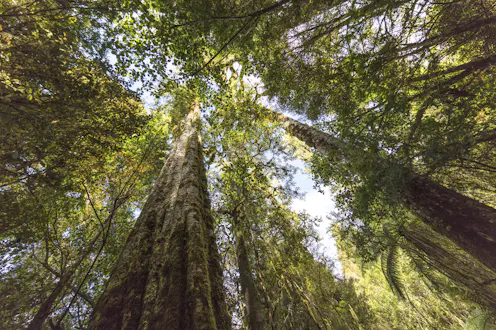
Pine grows faster and sequesters more carbon. But native forest is better for biodiversity in the long run. Transitioning between the two offers a win-win solution.
- Professor of Environmental Science, Auckland University of Technology
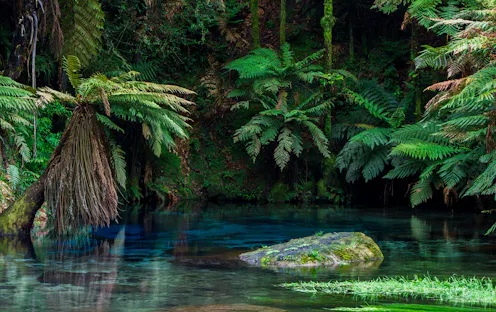
Introduced species that become invasive are clearly destructive, but many exotic species are not detrimental to the existing ecosystem – some become complementary or take on lost ecological roles.
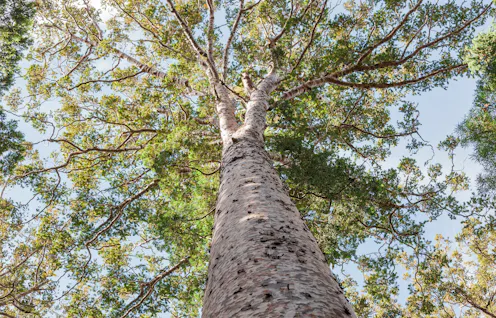
New Zealanders have planted just over a quarter of a billion trees, about half of it native species, as part of an effort to increase carbon storage.
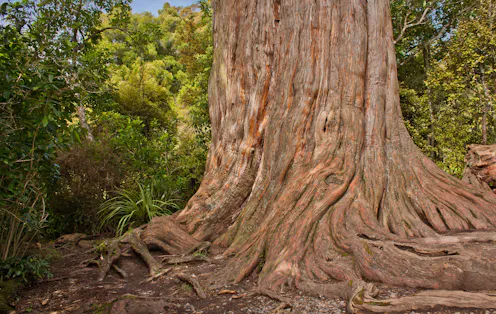
Research measuring how water flows between living kauri trees and a leafless stump adds evidence that trees use their underground root systems to support each other.
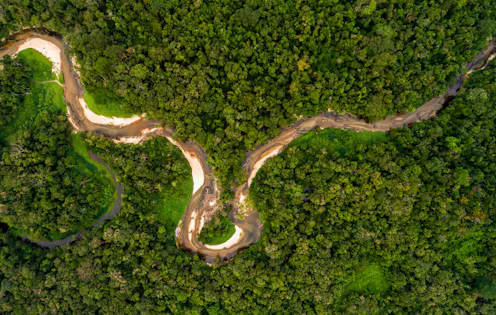
As the world’s largest rainforest, the Amazon is not only an important carbon sink, but also home to thousands of species of plants and animals and a crucial part of the water cycle.
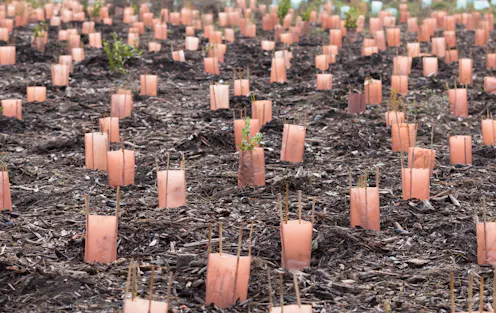
If agricultural land was used to grow crops, it would limit methane emissions from livestock, but not store a substantial amount of carbon. Growing trees is what makes the difference.
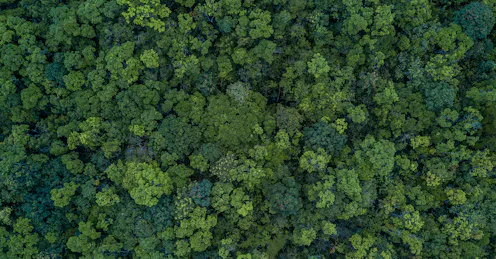
Plants take carbon from the atmosphere as they grow, but it goes straight back when they die or are harvested. There is an important difference between carbon fluxes and actual carbon sequestration.
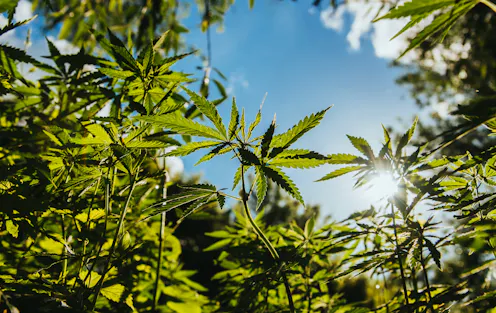
Planting any tree is more important than planting a particular tree when it comes to removing carbon dioxide from the atmosphere.
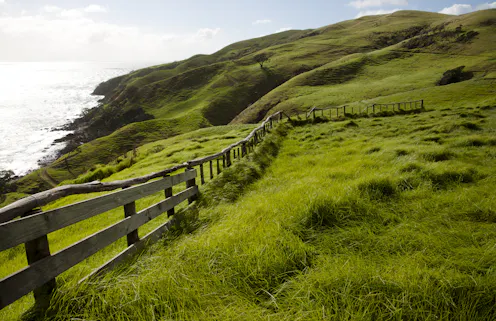
All plants take up carbon dioxide when they grow, but when they are harvested or cut down, they release the greenhouse gas back into the atmosphere.
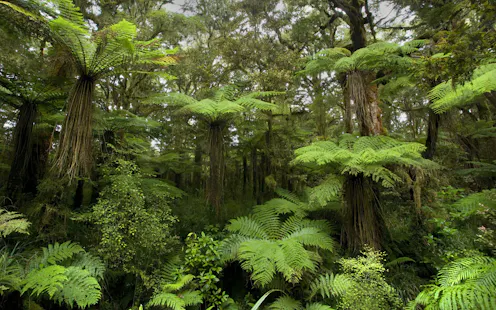
Plants live off carbon dioxide, but a higher level of the greenhouse gas in the air doesn’t necessarily lead to more biomass production.
Contact Sebastian for
- General
- Media request
- Speaking request
- Consulting / Advising
- Research collaboration
- Research supervision
- Article Feed
- ORCID
- Joined
