
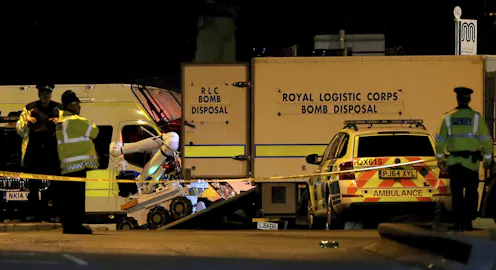
Robots are a twin-edged sword. Used badly, they may one day perpetrate genocide and war crimes. Used well, they can prevent them.
- PhD in machine ethics, University of Canterbury
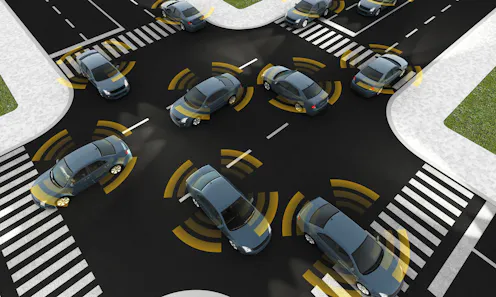
We should all learn from mistakes. Driverless cars must do the same when it comes to any accidents they’ve been involved in on our roads, no matter who was to blame.
In a world where robots work better than humans, how will we cope? We need to rethink our jobs-based economy.
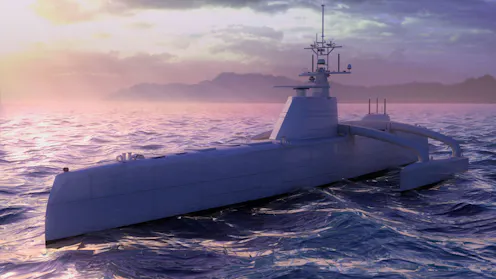
The future of warfare may include many lethal autonomous weapons, but the world can’t decide how, or if, to regulate them.

Autonomous submarines might do for naval warfare what drones are doing for air warfare. So should Australia consider autonomous subs as a replacement for the Collins class?
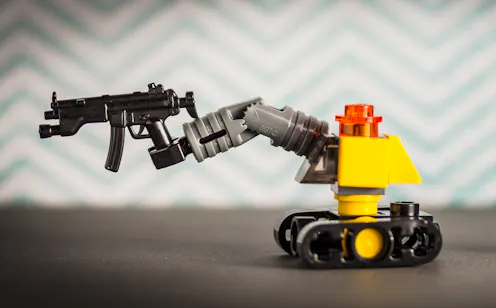
When it comes to weapons with artificial intelligence, there’s an argument for keeping a human in charge of some of the action.
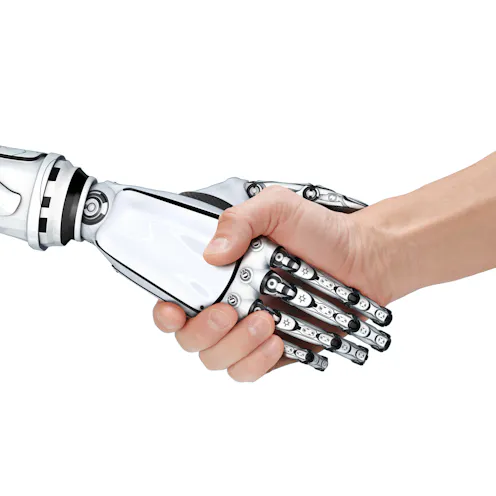
There are growing concerns about robots, artificial intelligence and automation. Now two new organisations are seeking to produce responsible robots and advance beneficial AI.

There are possible emotional and social pitfalls to love and sex with robots, but does that mean we should ban them entirely?
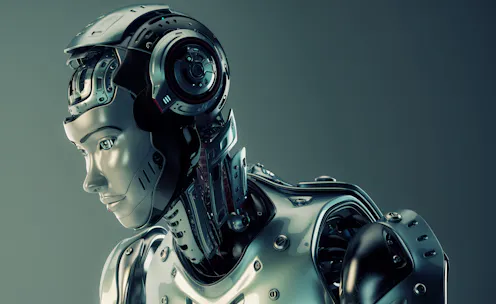
Is genuine artificial consciousness possible? Should we protect jobs from automation? Your questions on AI and robots answered here.
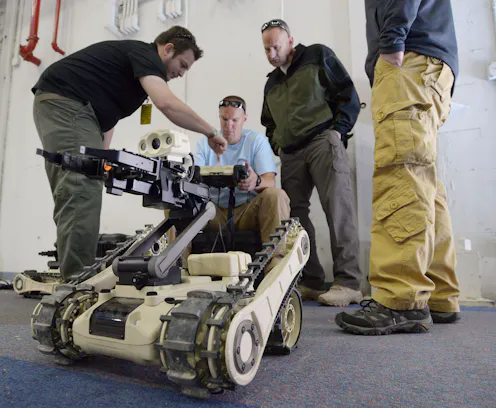
If military robots are inevitable, then AI and robotics researchers should work to make them ethical, not retreat by calling for an ineffectual ban.
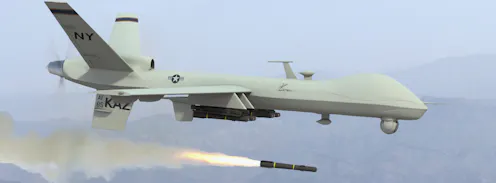
The debate over whether lethal autonomous weapon systems (LAWS) – often called ‘killer robots’ – should be banned continues, although it’s far from settled.

Should future wars be fought by autonomous systems? Or do they pose such a threat that they should be banned? These issues are being debated this week by diplomats from around the world.
Contact Sean for
- General
- Media request
- Speaking request
- Consulting / Advising
- Research collaboration
- Location: Christchurch, NZ
- Website
- X (formerly Twitter): @sean_welsh77
- Article Feed
- Joined
