
How South African manages the fallout from its likely downgrade by Moody’s in November will determine whether the country will be forced to turn to the IMF for a bailout.
- Associate professor, University of Cape Town
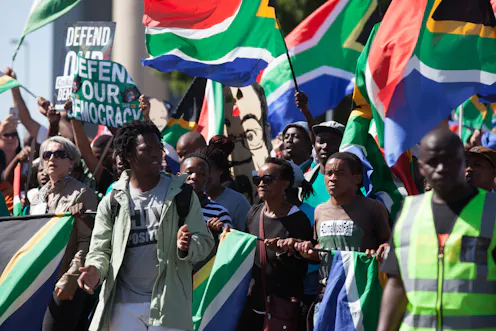
If the country is to survive its current crisis, government will need to undertake two difficult tasks simultaneously.
Indications are that even an ANC victory at the polls is unlikely to reverse the party’s decline in popular support.
South Africa’s President Cyril Ramaphosa needs to display that wrongdoers of the Jacob Zuma era are going to be held accountable through prosecution.
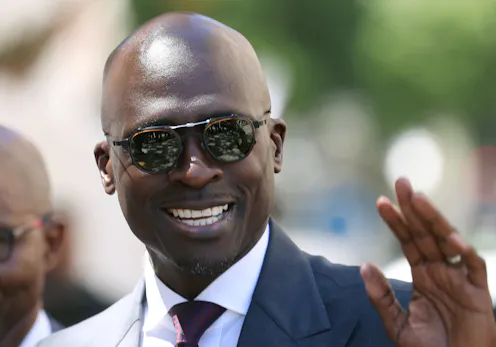
South Africa’s 2018 national budget makes it clear that the slumber and corruption that has hampered state owned enterprises must come to an end.
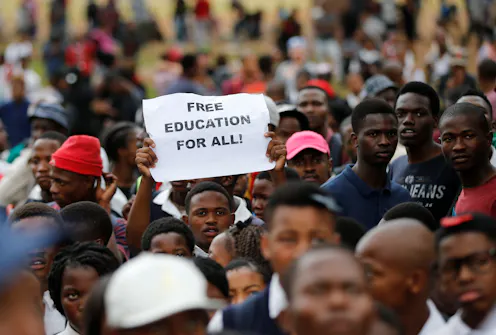
In announcing free higher education, South African President Jacob Zuma, lobbed a populist hot potato at the ANC elective conference but it’s ordinary people whose fingers will be burnt.
KPMG South Africa sets a potential example of how shareholders can attack the soft underbelly of private sector state capture enablers.
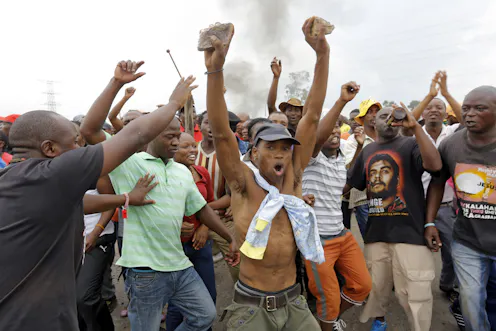
The political cost of corruption is reaching unacceptable levels in South Africa. Reversing the effects of state decay on the poor will take short and long term interventions.
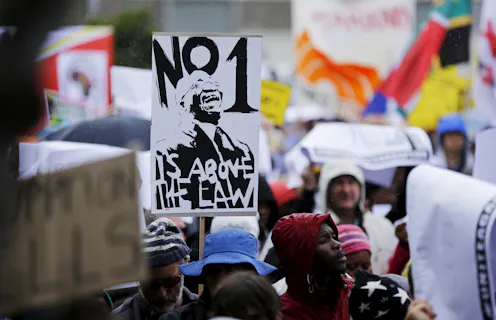
Reforming South Africa’s state owned enterprises should start with greater accountability and financial responsibility.
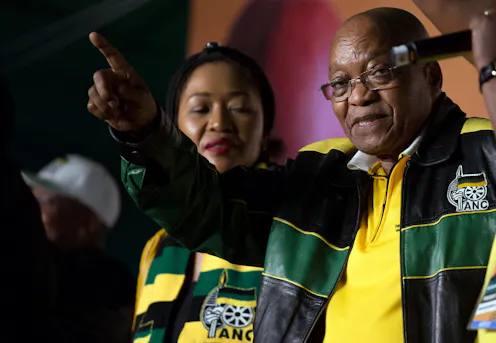
The populism politics adopted by South Africa’s ruling party, African National Congress, mask a strategy to deflect attention from the party’s policy failures and to hide its many scandals.
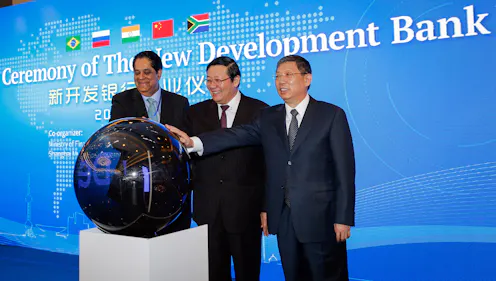
The BRICS New Development Bank has promised to change the world of multilateral development funding but has so far failed to live up to expectations.
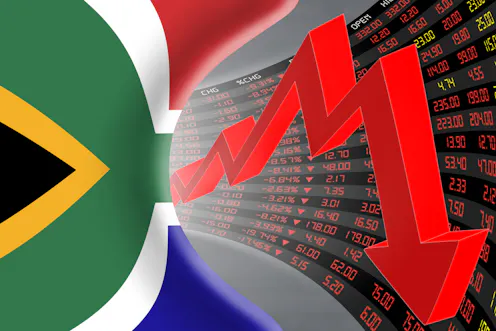
The rising talk about ‘white monopoly capital’ as an obstacle to economic inclusion in South Africa is a red herring.
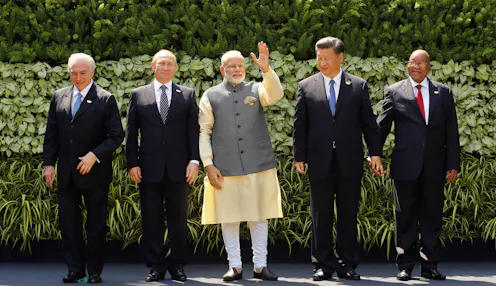
The BRICS bloc of states have resolved to establish an alternative credit rating agency to counter western dominance in the financial markets. Will it work?
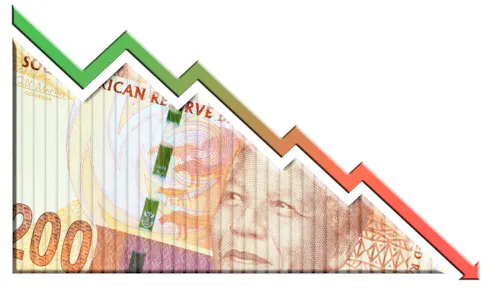
The effects of a sovereign credit rating downgrade would be painful for all South Africans.
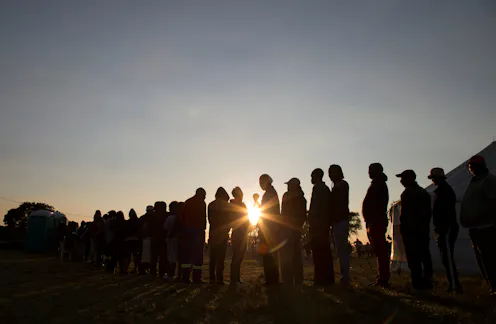
Recent political events suggest that South Africa is at a crossroad where it could either be tipped into a fully corrupted state or saved by multi-party plurality
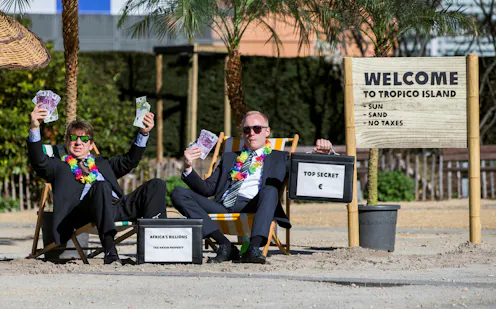
In Africa, commercial activities are the largest component of illicit financial flows. This is followed by organised crime and then public sector corruption.
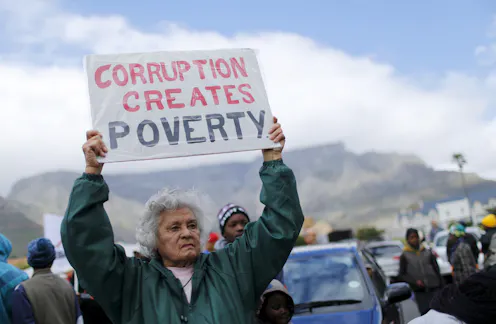
South Africa has never reached an embedded democratic state. Its post-apartheid experience more realistically reflects ongoing oscillation between a deepening and a reversal of democratic liberties.
Contact Sean for
- General
- Media request
- Speaking request
- Consulting / Advising
- Research collaboration
- Research supervision
- Website
- Article Feed
- Joined
