

South Australians are heartbroken about the state’s unprecedented algal bloom. But eating oysters, donating shells and restoring lost reefs will boost ocean health.
- Professor, Sustainable Marine Futures, Environment Institute, Adelaide University
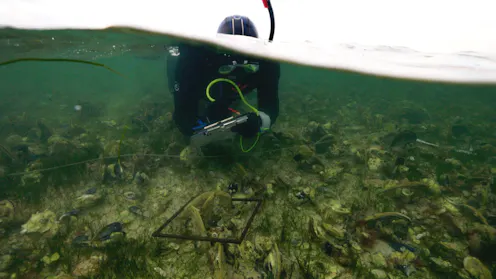
The persistent harmful algal bloom in South Australia is an opportunity to experiment with solutions, but the best approach is helping nature to help itself.

By playing the sounds of healthy reefs, we can draw oysters back to the barrens where their reefs once stood.

Only 200 years ago, Australian waters were full of oyster and shellfish reefs. Then they collapsed. Now large scale restoration efforts are underway.
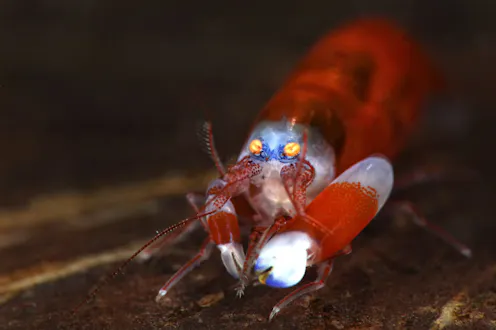
Playing the sounds of the sea can attract lost baby oysters to join the restoration of oyster reefs.
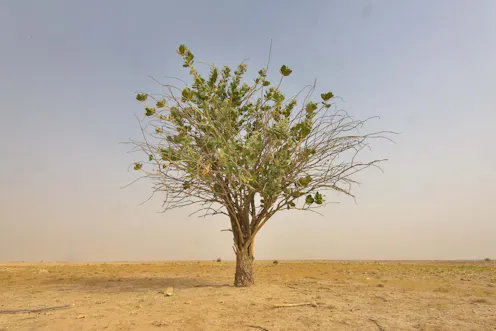
Cuando hablamos de activismo medioambiental, el optimismo es clave.
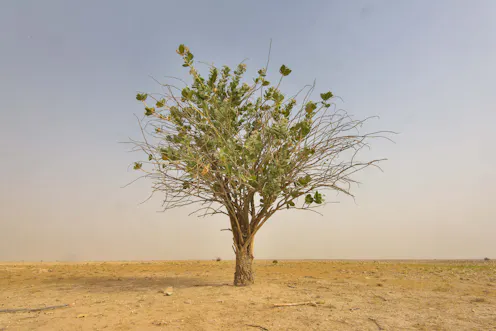
When it comes to environmental activism, optimism is key.

Science papers are supposed to be communication tools - and yet hardly anyone can understand them, even other scientists.
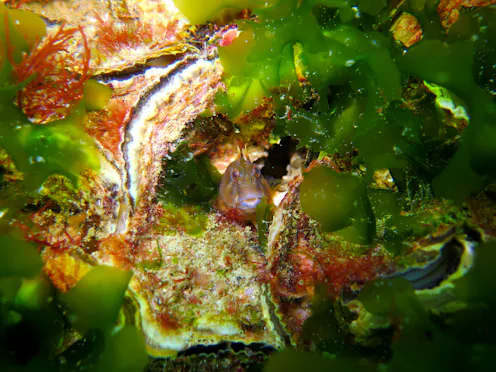
In colonial times Australia’s waters were teeming with mud oysters that provided food, cement, and cleaned the oceans. Now a 20-hectare man-made reef aims to restore some of their former glory.
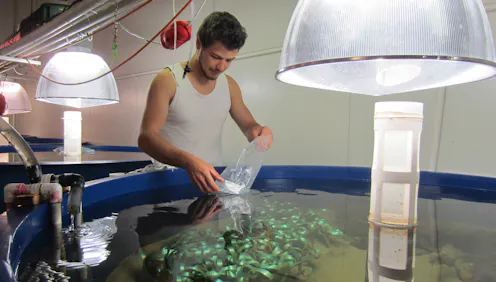
A new study suggests the benefits of a boost to marine plant growth from increased carbon dioxide will be cancelled out by the increased stress to fish species.
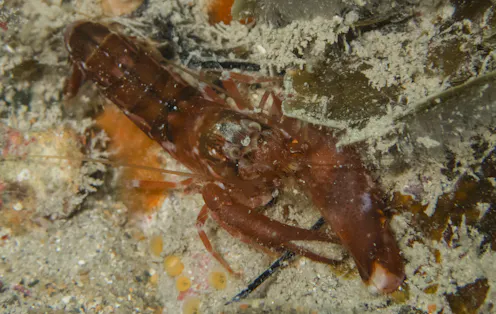
The oceans are filled with sounds produced by animals. However, a recent study shows that ocean sounds are diminishing due to nutrient pollution and ocean acidification.

The Great Southern Reef covers 71,000 square km and contributes more than A$10 billion to Australia’s economy each year.
Contact Sean for
- General
- Media request
- Speaking request
- Consulting / Advising
- Research collaboration
- Research supervision
- Location: Adelaide, Australia
- Website
- LinkedIn: Sean Connell
- X (formerly Twitter): @Sean4Sea
- Article Feed
- ORCID
- Joined
