
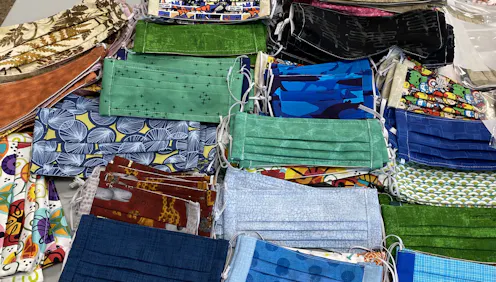
We tested well-fitting cloth masks made from 16 kinds of cotton, on human participants, to see how many provided filtration comparable with a certified medical mask. Most of them did.
- PhD Student, Chemical Engineering, McMaster University
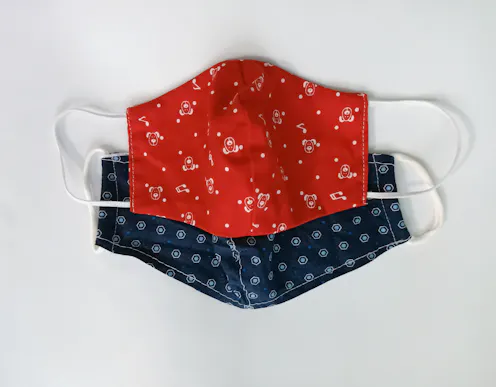
Are two face masks better than one? Adding layers of filtration by double masking is a way of using the masks that we already have, possibly to better effect.
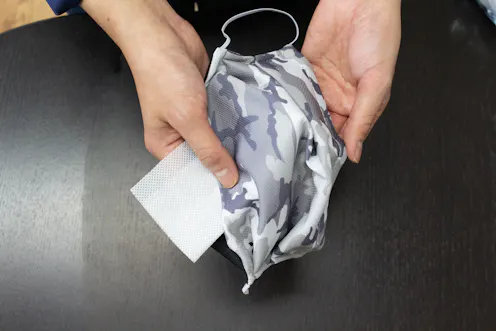
Tout ce qu’il faut savoir sur le polypropylène non tissé, le tissu désormais recommandé pour servir de filtre dans les masques faciaux en tissu : ce que c’est, ce qu’il faut chercher et où le trouver.
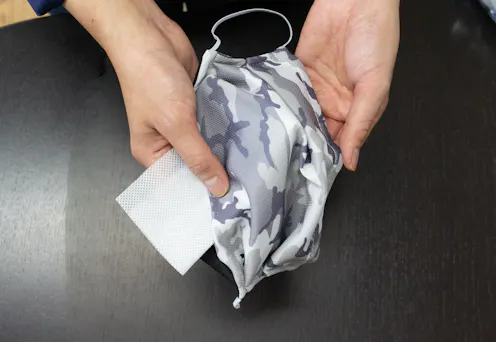
Everything you need to know about non-woven polypropylene, the fabric now recommended for use as a filter in cloth face masks: What it is, what to look for and where to find it.
Contact Scott for
- Consulting / Advising
- Research collaboration
- Research supervision
- Location: Hamilton, ON, Canada
- Article Feed
- Joined
