

An accounting scholar explains what charitable solicitation fraud is and how it’s connected to allegations some Democratic lawmakers made on July 2, 2026.
- Associate Professor of Accounting, University of Dayton
The responsibility for policing nonprofits generally falls to state attorneys general, rather than federal authorities.

Charities have no right to keep stolen money they receive as donations, even if they didn’t know it was stolen.

The IRS hasn’t issued clear guidance for them yet.
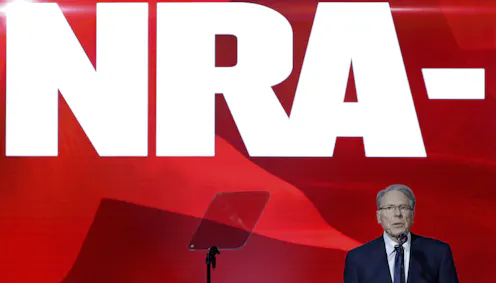
The jury’s verdict followed years of allegations that the gun group’s top official and other leaders were spending money meant to benefit its members on their own luxuries.
When a fake charity is uncovered, headlines abound with details of the fraud, while donors are eager to make sure they weren’t one of the victims of the scheme.
While the overwhelming majority of charities are legitimate, looking into a charity before supporting it can help you avoid supporting scams and make better-informed decisions.
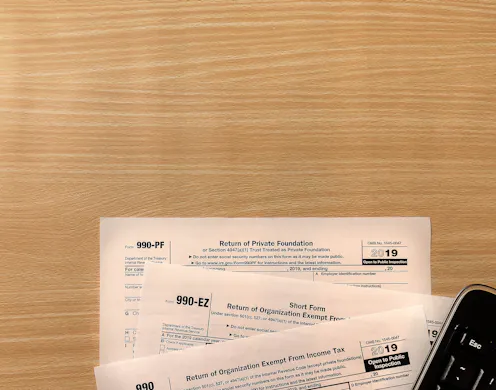
The government makes the information nonprofits report on this form available to the public, enhancing transparency and accountability.
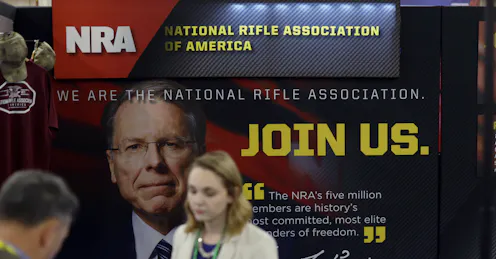
While declaring bankruptcy, the gun group confusingly said it was in great financial shape.
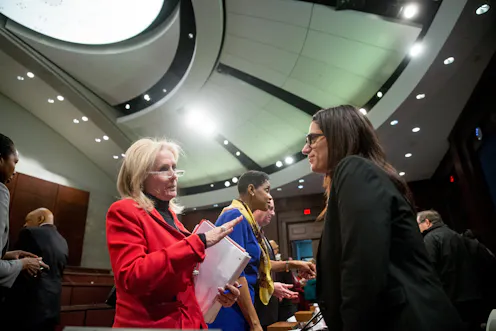
Whistleblowers may stop bad behavior and protect others from harm.

There is no system in place to detect charitable fraud on the scale allegedly committed by a counseling company and its sham nonprofit.

Adopting best practices like making it easier for staffers to blow the whistle when they observe wrongdoing can help.
Contact Sarah for
- General
- Media request
- Speaking request
- Consulting / Advising
- Research collaboration
- Research supervision
- Location: Dayton, Ohio, U.S.
- Website
- Article Feed
- Joined
