
For decades, we couldn’t trace the link between new fossil fuel projects and their damage to people and planet. But now we can.
- Deputy Director, Engagement and Impact, The ARC Centre of Excellence for the Weather of the 21st Century, Australian National University
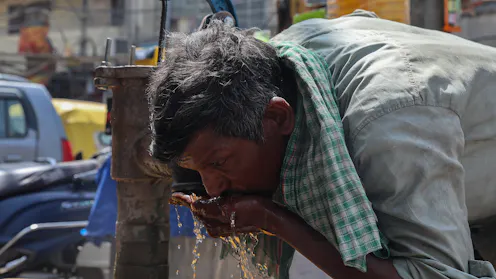
Sustained, sweltering heat is hitting India and Pakistan hard – and humidity is making the situation even more dangerous.
CSIRO has been the custodian of Australia’s climate modelling through decades of shrinking budgets. Sacking scientists will change this.

The results challenge claims that the climate risks posed by an individual fossil fuel project are negligible or cannot be quantified.
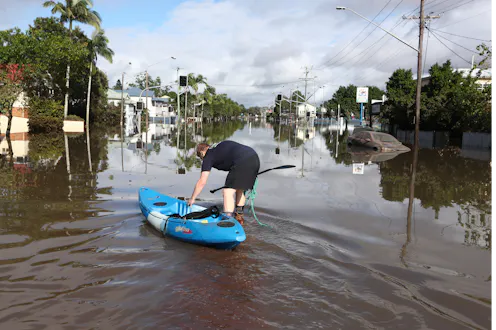
How does this compare to Australia’s previous floods? And can we expect more frequent floods at this scale under climate change? The answers aren’t straightforward.
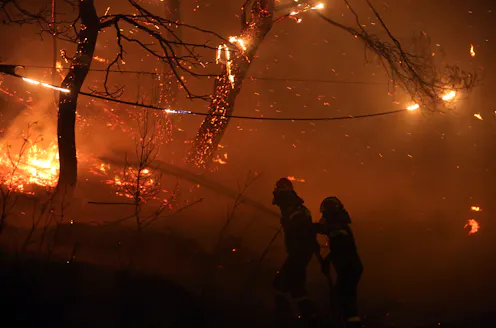
Academic research can shed light on crucial questions about what life on Earth will be like under the most plausible emissions scenarios. And a warning: the answers are confronting.

An article in the eminent US magazine Science has triggered debate over whether scientists should use climate models. Here’s what you should know about climate models ahead of today’s IPCC report.

One cold winter doesn’t negate more than a century of global warming. We need the political leadership to set the world on a safer path. Ill-informed tweets by government senators won’t help.
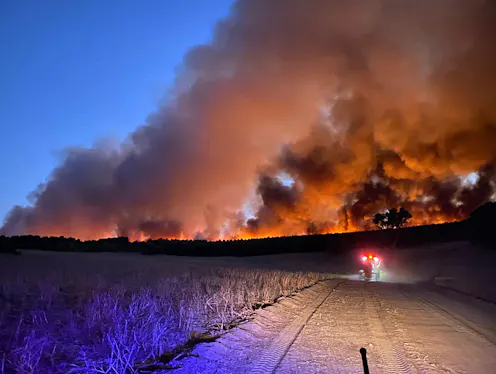
We know heatwaves and drought can turn bushfires into infernos, but the reasons why were poorly understood in science.
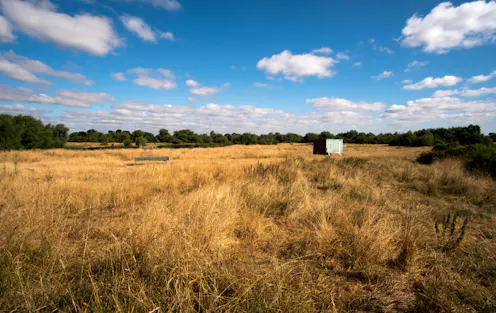
Heatwaves have become longer, hotter and more frequent. This trend is accelerating from climate change.
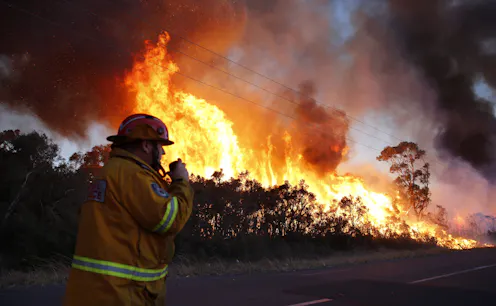
With New South Wales suffering winter bushfires and temperature records tumbling around the globe, our leaders in Canberra have picked a bad time to jettison climate policy in favour of political bickering.
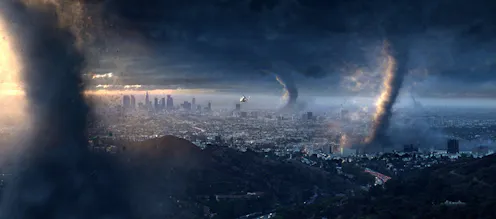
Climate scientists often bombard their audiences with facts and figures - a method of communication that often doesn’t work. Perhaps this is where cli-fi can step in, with its compelling characters and just slightly embellished science.
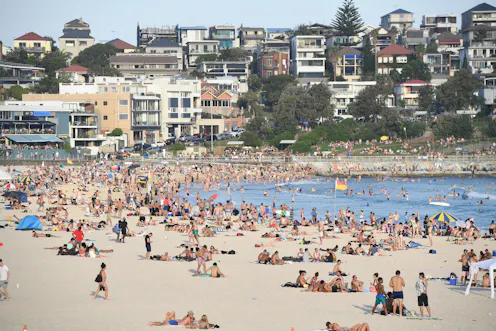
New South Wales has just had its hottest summer on record – an event that was made 50 times more likely by humans’ impact on the climate.
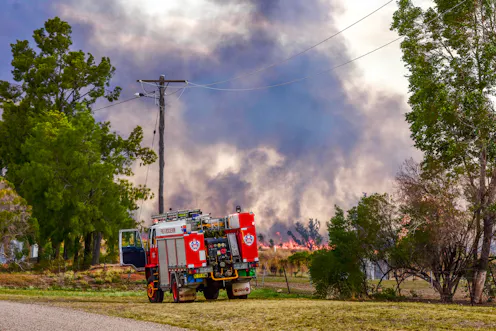
Heat records have tumbled across New South Wales as the state suffered through the weekend’s heatwave. A new analysis shows that climate change made this kind of event much less of a rarity.
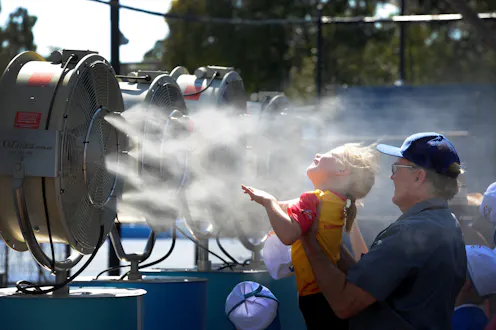
Heatwaves are Australia’s deadliest type of natural disaster. But while we know a lot about the weather patterns behind them, more research is needed to forecast accurately their impacts on people.

Researchers have found a disaster “hotspot” in northern New South Wales, where nearly half of the state’s most disadvantaged communities are found.
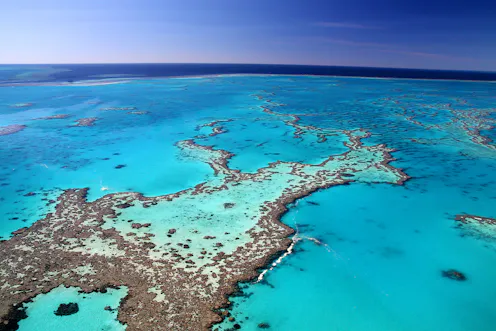
A new report published by the Climate Institute says Australia could avoid lengthy heatwaves and help save the Great Barrier Reef by meeting the Paris Agreement’s 1.5C global warming goal.
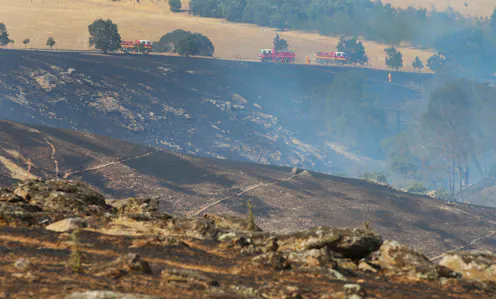
2015 was the world’s hottest year on record. The US State of the Climate report has rounded up the litany of temperature and other records that were broken all over the globe.
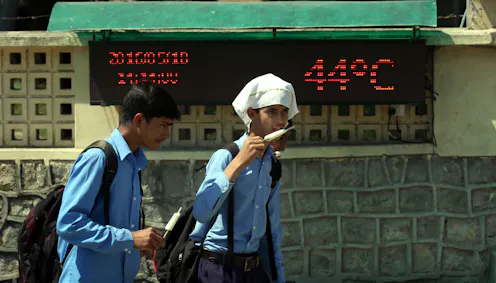
The city of Phalodi has set a temperature record for India, hitting 51°C. Until now, India’s smog problem has curbed extreme temperatures. But that could be about to change.
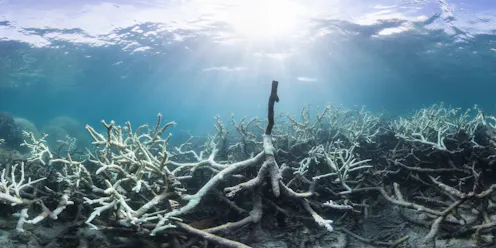
This summer’s record-breaking coral bleaching on the Great Barrier Reef was made 175 times more likely thanks to climate change.
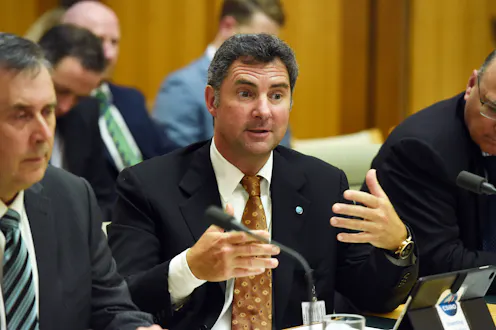
The CSIRO will create a new climate research centre in Hobart with 40 climate scientists.
CSIRO is set to cut dozens of jobs from its climate research units, as part of a wider series of job losses to be formally announced today.
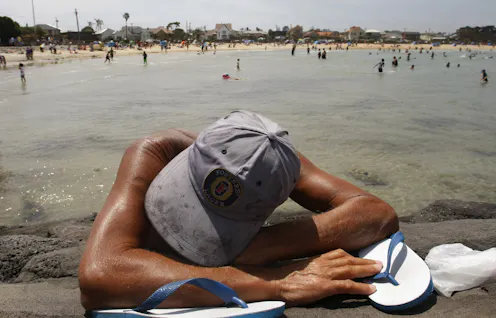
The link between El Niño and heatwaves is complicated. But what we can say is that this summer’s strong El Niño conditions are likely to bring more heatwaves to much of Australia’s north and east.

2014 has been confirmed as Australia’s third-hottest year, capping off a record-breaking decade, according to the Bureau of Meteorology’s annual climate statement, released today. Seven of Australia’s…
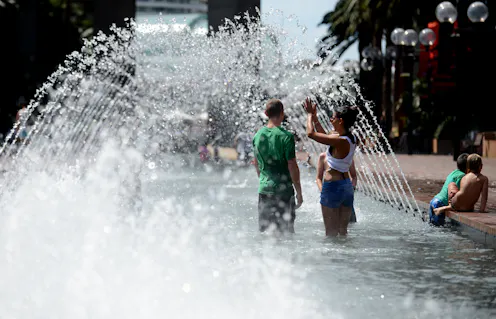
2013 was Australia’s hottest year on record, but how much of that was due to human-caused climate change? Today scientists publish five research papers that reveal the extent of human influence on Australia’s…
Contact Sarah for
- General
- Media request
- Speaking request
- Consulting / Advising
- Research collaboration
- Research supervision
- Location: Canberra, Australia
- Website
- X (formerly Twitter): @sarahinscience
- Article Feed
- ORCID
- Joined
