
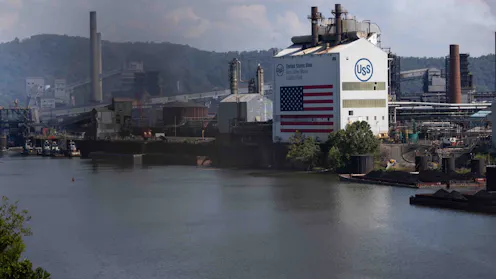
Depuis des décennies, des citoyens et des associations utilisent les tribunaux pour contraindre les entreprises et l’État fédéral à respecter les lois environnementales. L’administration Trump cherche désormais à restreindre ce pouvoir.
- Professor of Law and Associate Dean for International Affairs, Wake Forest University
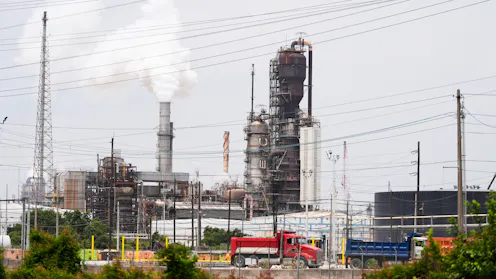
For decades, regular citizens and advocacy groups have filed suits that forced companies and the federal government to clean up the environment. Trump officials have moved to limit that power.
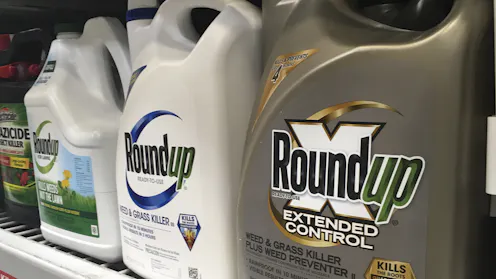
A case involving the potential dangers of glyphosate, the active ingredient in the weed killer Roundup, relates to broader efforts to protect consumers.
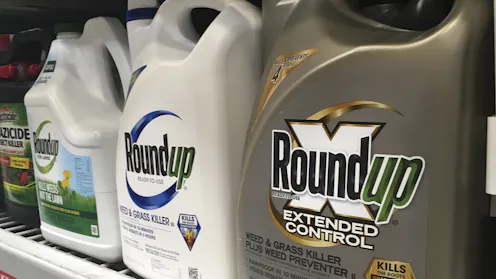
A case involving the potential dangers of glyphosate, the active ingredient in the weed killer sold as Roundup, could affect broader consumer-protection efforts.
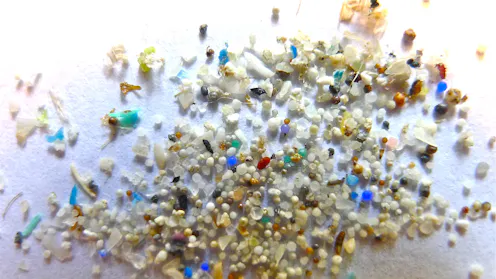
The world puts a lot of unnecessary microplastics into the environment − such as glitter in makeup. Even better filters in washing machines could help.
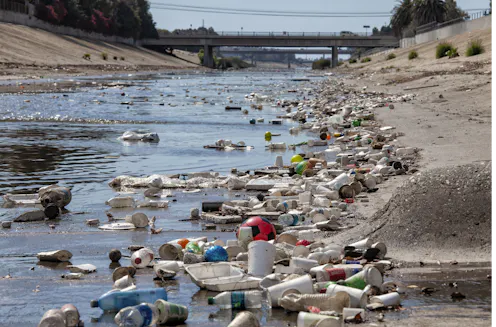
Better measuring standards, more responsibility for producers and an end to single-use products are all positive steps. But the US has not yet endorsed a cap on plastic production.
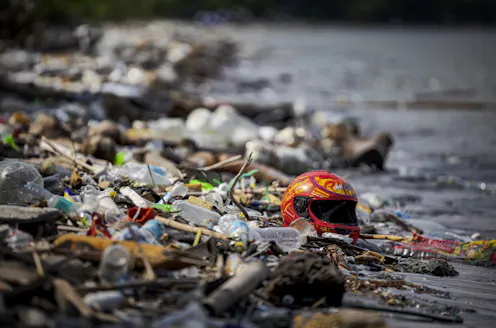
A central question remains unresolved in the draft treaty: Is plastic pollution basically a waste management problem, or can it be solved only with a cap on production?
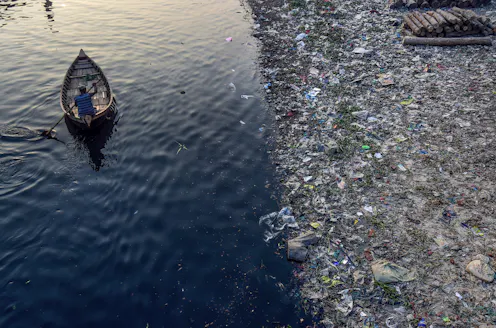
Representatives of 175 countries voted to start developing a global treaty to reduce plastic waste. Treaties addressing mercury, long-range air pollution and ozone depletion offer some lessons.

What does it mean to call a nonfood product like lipstick organic? Federal regulators allow such claims, but have set few standards defining them.
Contact Sarah for
- General
- Media request
- Speaking request
- Consulting / Advising
- Research collaboration
- Research supervision
- Location: Winston-Salem, North Carolina, U.S.
- Website
- Article Feed
- ORCID
- Joined
