
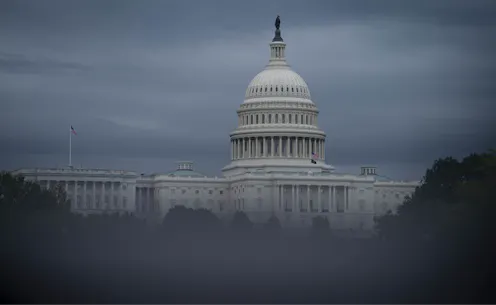
Congress has refused to exercise oversight of the Iran war, with Republicans nixing Democrats’ attempts to exercise legislators’ power over military engagements. That’s nothing new.
- Associate Professor of Political Science, Rochester Institute of Technology
- Fellow, Institute for Humane Studies
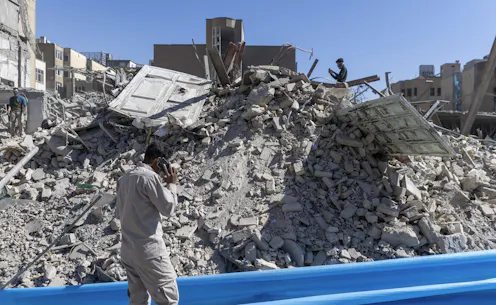
At the tail end of the Vietnam War, Congress engaged in a breathtaking act of legislative assertion, affirming that lawmakers held the power to declare war – not the president.
Congress has a legal, constitutional and even moral responsibility to assert itself as a branch when it comes to military actions by the US, says an expert on war powers.
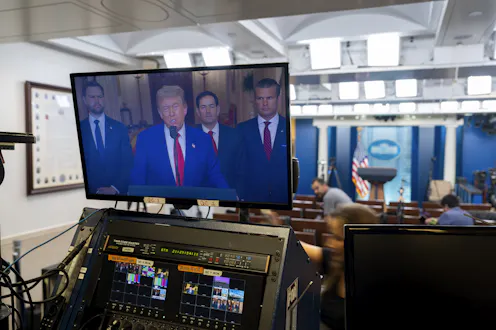
Against the backdrop of US attacks on Iranian nuclear sites, a scholar of presidential powers examines the history and current use of the laws around US military action.
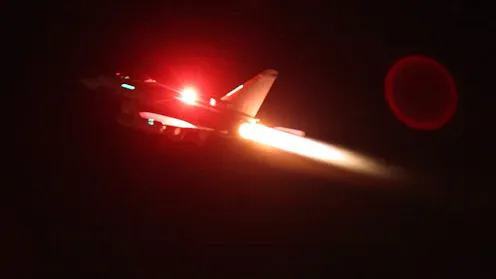
In the wake of US attacks against Houthi militants in Yemen, a scholar of presidential power to use the military examines the history and present of the laws around US military action.
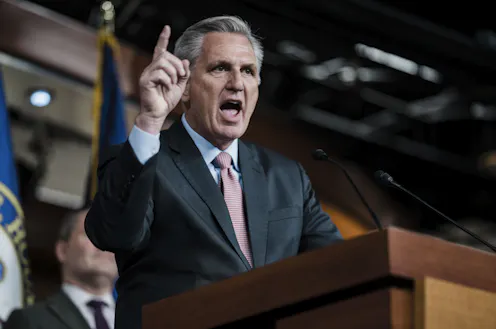
The House of Representatives is breaking norms and establishing a new way for the body to do business.
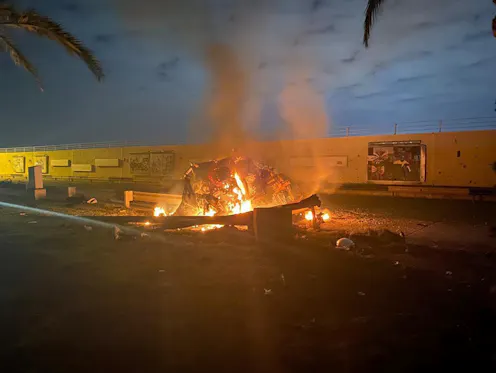
A new proposal also puts pressure on presidents to evaluate their foreign policy objectives more clearly to determine whether military action is, in fact, appropriate.
When presidents have tried to address pressing issues through executive action, members of Congress are quick to ask the courts to step in.
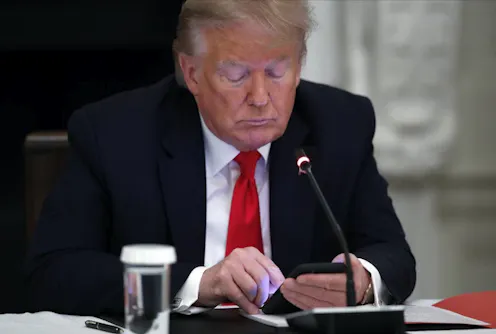
La façon dont les candidats à la présidence briguent la plus haute fonction de l’État a significativement évolué au cours des siècles.
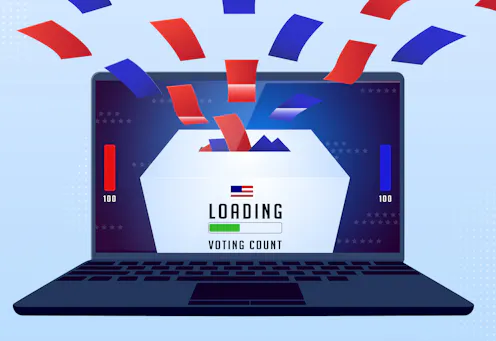
The presidential election outcome seems to be at least partially in dispute. Six scholars provide a history of contested elections in the US and explain what happens when the results are challenged.
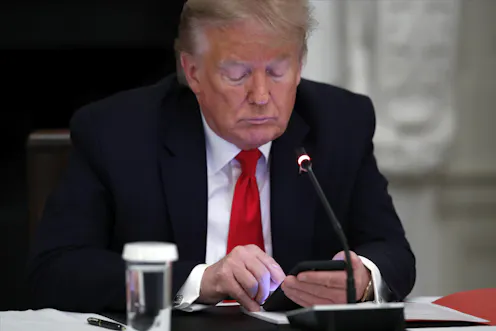
The technical qualifications for presidential candidates are the same, but how people seek the nation’s highest office has shifted over the centuries.
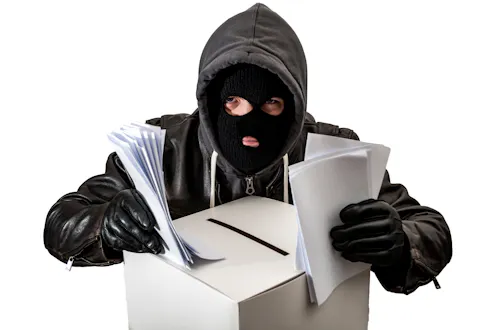
When the electoral process was helped along by practices that either were or appeared to be underhanded, the resulting wounds took a long time to heal – and may not ever have healed.
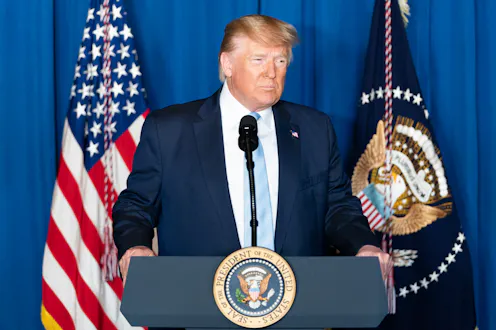
Both President Trump and President Obama used military force without informing Congress, or getting its approval. But the differences reveal more than the similarities.
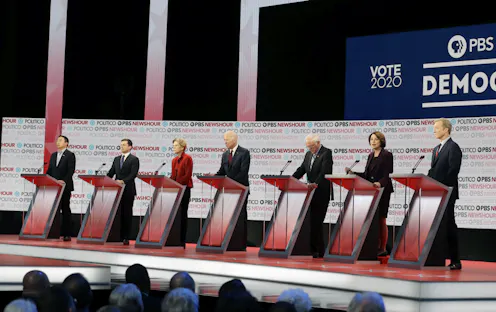
Scholars explain important moments in the Democratic presidential debate on Dec. 19.
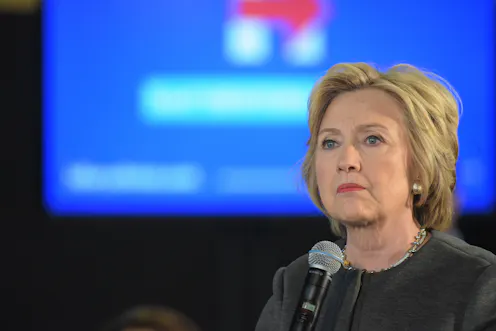
Hillary Clinton got the most individual votes from US citizens in 2016, but Donald Trump won the most electoral votes.
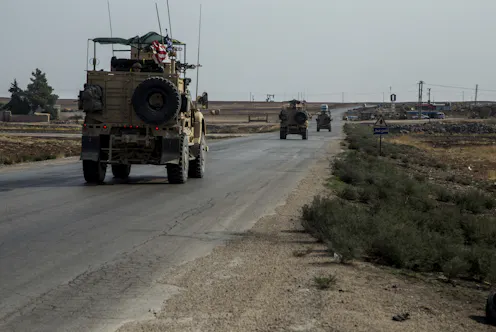
Since the 1940s, Congress has largely let the president make decisions, while members of the House and Senate endorse or condemn those actions from the sidelines.
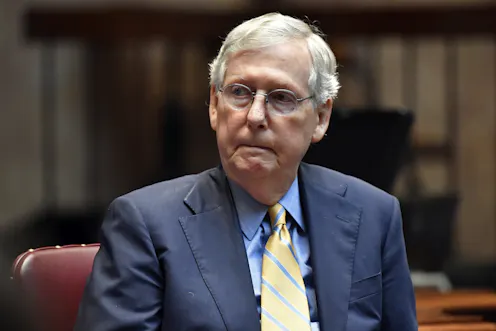
Senate Majority Leader Mitch McConnell is known as a master of Senate rules. If the House impeaches President Trump, what could he do to influence the process – and outcome – of a trial?
Contact Sarah for
- General
- Media request
- Speaking request
- Consulting / Advising
- Research collaboration
- Research supervision
- Location: Rochester, New York, U.S.
- Website
- Article Feed
- Joined

