
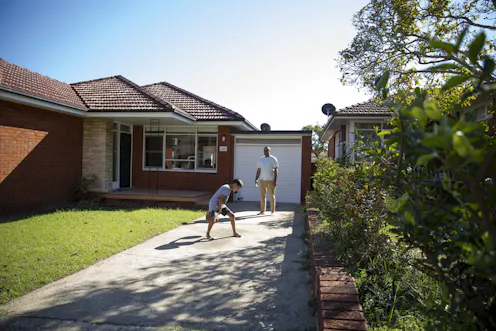
The recently announced $250 million NSW budget boost for housing for Aboriginal people, is much-needed. It’s critical this well-intentioned investment does not repeat the mistakes of the past.
- Professor, School of the Built Environment, University of Technology Sydney

We interviewed 22 low-income Australians aged 65 or older. They present a heartbreaking picture of energy poverty and the loneliness that comes with it.

It’s not easy to choose between the costly hassle of renovating and the expensive upheaval of selling up, and buying a new property.

Greater urban density is making it harder to preserve, let alone increase, tree cover. It’s vital, then, to demonstrate the full value of green infrastructure for healthy liveable cities.
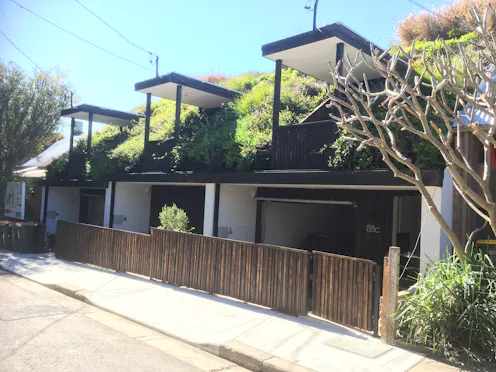
Research shows if Australia encourages greenery on buildings, it will reduce temperatures in the city, as well as potential for flash flooding. It also creates new habitats and socialising spaces.
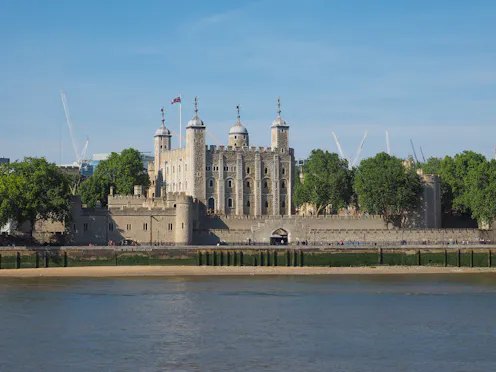
When talking about heritage, we need to be clear about our definitions and our objectives for each building. Then we can work on achieving the optimum balance of heritage and sustainability.
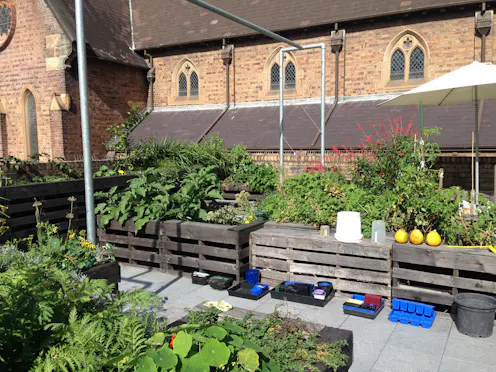
In a world of increasing urbanisation, density, pressure and, some say, isolation, there’s a natural salve for stress, pressure and mental illness. And it’s right above our heads.
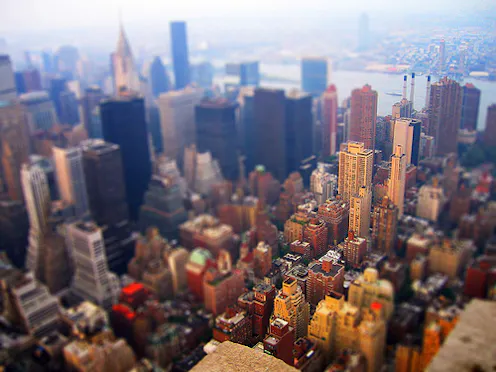
Improving the health of our building operations is one of the most effective, current ways to reduce our impact on climate change. And just as in medicine, being able to diagnose and improve health requires…
Contact Sara for
- General
- Media request
- Speaking request
- Consulting / Advising
- Research collaboration
- Research supervision
- Location: Sydney, Australia
- Website
- Article Feed
- ORCID
- Joined
