
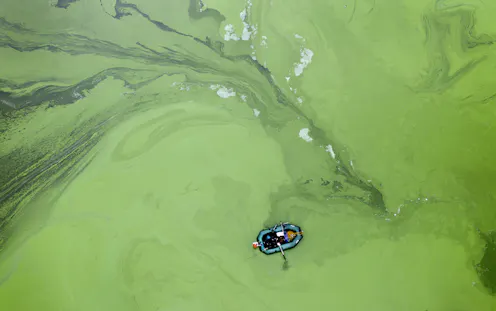
Les paysages spectaculaires et les eaux pures de la rive nord du lac Supérieur, qui ont autrefois inspiré le Groupe des Sept, sont aujourd’hui vulnérables à la prolifération des algues.
- Professor and York University Research Chair in Global Change Biology; Director of the United Nations Institute for Training and Research Global Water Academy, York University, Canada
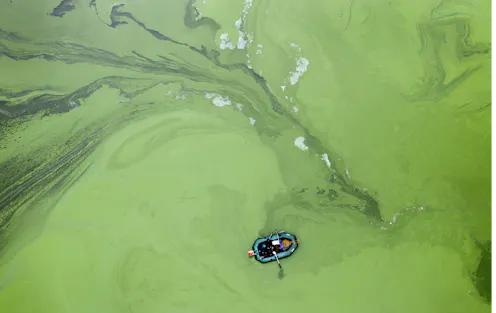
The spectacular landscapes and pristine waters of the north shore of Lake Superior, which once provided inspiration for the Group of Seven, are now vulnerable to algal blooms.
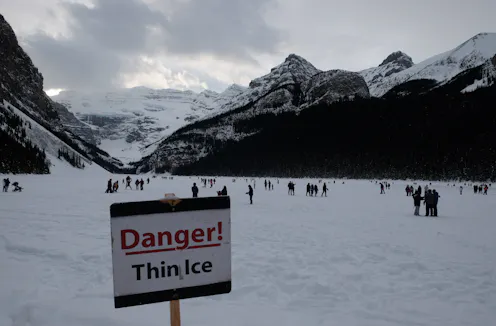
Lakes in the northern hemisphere are rapidly losing their ice cover due to rising greenhouse gas emissions. The only way to preserve lake ice is to limit GHG emissions and slow down climate change.
The growing frequency of climate extremes affected human health and caused wide-scale damages to the ecosystems that people depend upon, including agriculture, fisheries and freshwater.
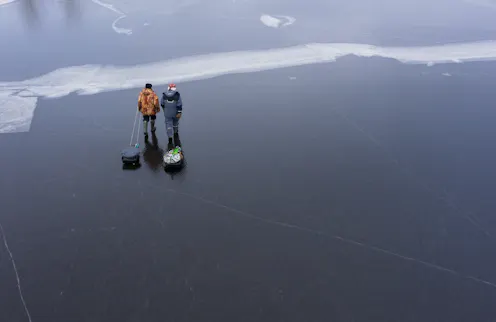
Winter drownings become more common on warmer days or when rain has fallen on snow, leaving the ice thinner, weaker, and less stable.
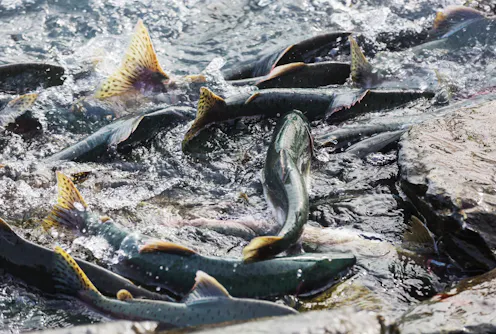
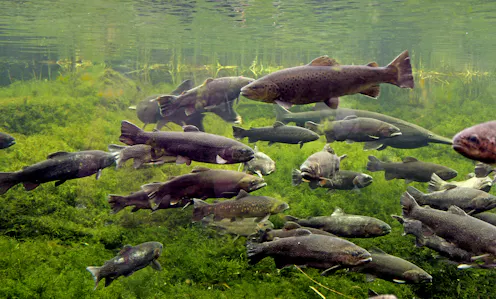
As climate change warms northern rivers and changes precipitation patterns, some types of cold-loving fish are failing.
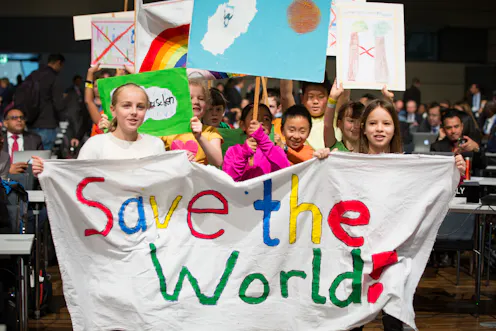
As delegates meet in Bonn for the latest rounds of climate talks, civil society, NGOs, cities, regional governments and businesses, are stepping up to work together toward climate goals.
Contact Sapna for
- General
- Media request
- Speaking request
- Consulting / Advising
- Research collaboration
- Research supervision
- Location: Toronto, Canada
- Website
- X (formerly Twitter): @Sharmalab
- Article Feed
- ORCID
- Joined
