
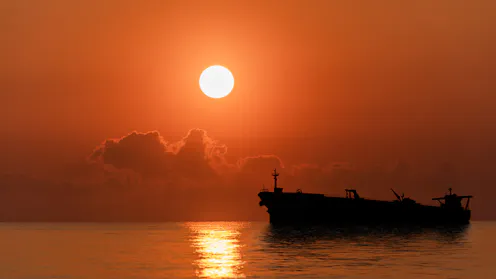
Each year, about 10–12% of global shipping trade passes through the Bab el-Mandeb Strait – whose name means ‘Gate of Tears’.
- Associate Professor in Operations and Supply Chain Management, UTS Business School, University of Technology Sydney
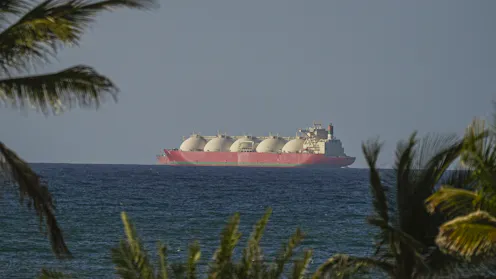
China stands to be impacted first, as the main buyer of Iran’s crude oil. But if the blockade drags on, its knock-on effects could impact the whole world.

The ban marks a departure from Australia’s traditional approach of preserving competitive processes rather than regulating prices directly.
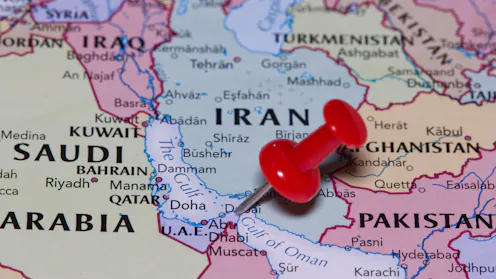
The closure of the Strait of Hormuz would have potentially devastating flow-on effects for oil supplies and prices in Australia.
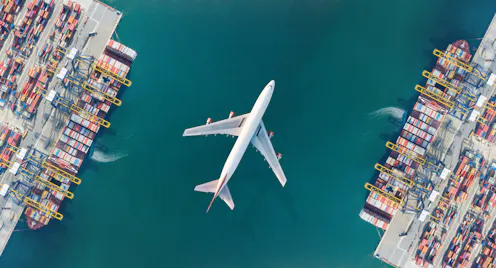
We don’t yet know the full cost and scale of the damage, or how long it will take supply chains to fully recover.

One of the biggest appeals of these brands is their perceived value for money. Consumers who once felt locked out of the EV market are being enticed by new, more affordable offers.
Expanding the $22.7 billion Future Made in Australia program would enhance the country’s economic resilience and competitiveness.
Suppliers and customers are squeezed harder in Australia than in other countries because Coles and Woolworths control 65% of the market.
Australians are being overcharged by supermarkets, power, transport and other service providers, according to a report which has called for government action to protect consumers.
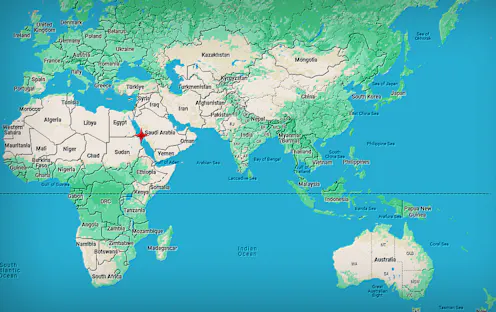
An increase in global tensions is placing at risk the free flow of goods traded around the world.
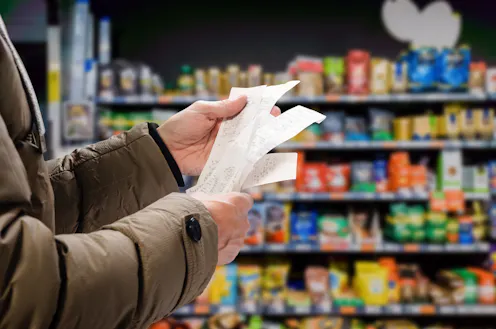
Why wait until a Senate inquiry to explain how supermarkets come up with the prices in their stores? There’s an opportunity now for the big supermarkets to be more transparent on pricing.
Contact Sanjoy for
- General
- Media request
- Speaking request
- Consulting / Advising
- Research collaboration
- Research supervision
- Location: Sydney, Australia
- Website
- LinkedIn: sanjoy-uts
- Article Feed
- ORCID
- Joined
