
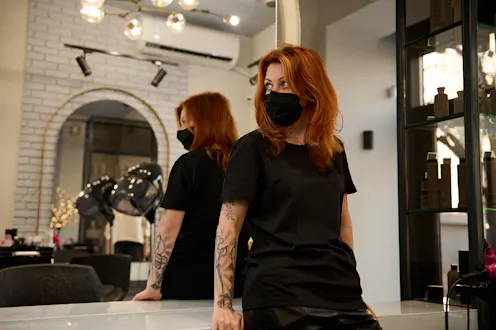
Three months after Omicron abruptly arrived, we now know more about the variant. So what does the science say about how contagious it is, how long it takes to get sick and how effective vaccines are?
- Associate Professor of Medicine, Infectious Diseases Physician, Australian National University

Tried to avoid coronavirus news in recent months? Here’s what you’ve missed while you’ve been away.

The science is far from certain, but it appears at least a proportion of people who have had COVID-19 will be protected from another infection – at least initially.

The regulations clearly proscribe some activities but are silent on others. So we asked two infectious disease researchers to reflect on some common scenarios.

How do you know what you’re reading and hearing about COVID-19 is based on fact not myth? Here are the basics, and we’ve created an at-a-glance infographic to make it easier to digest.

Four people in Australia have tested positive to the Wuhan coronavirus so far. So how does it spread, who is most at risk, and what is Australia doing to reduce transmission?
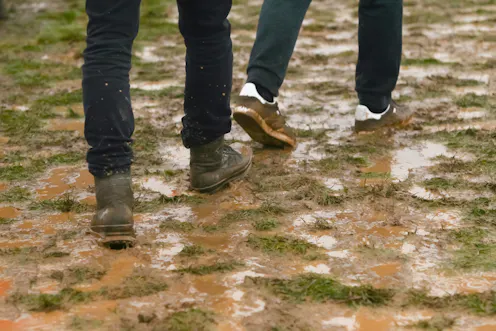
The bacteria that causes melioidosis usually lives 30cm underground in clay soil but is dredged to the surface during heavy rains and floods, and can enter the body through small breaks in the skin.
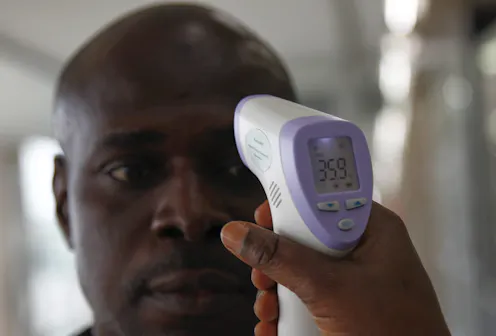
The West African Ebola virus outbreak is already the largest of its kind, both in terms of numbers and geography. And with the most distant parts of the world less than a day’s flight away, it isn’t too…
Contact Sanjaya for
- General
- Media request
- Speaking request
- Consulting / Advising
- Research collaboration
- Research supervision
