
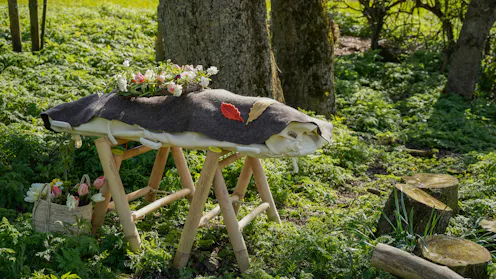
Burial and cremation come with some pretty major environmental problems. Both involve huge amounts of energy, resources and pollution.
- Professor of Accounting, University of Sydney
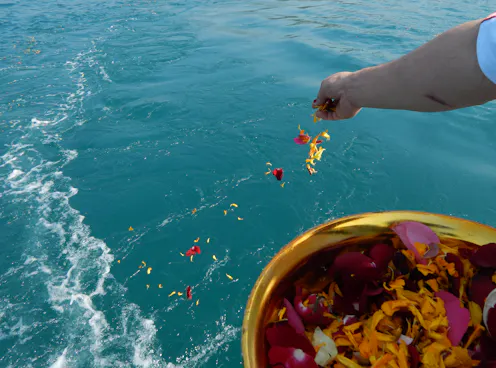
Next-of-kin often feel pressured to make hasty funeral arrangements. Most contact a funeral director and tee up a conventional service plus burial or cremation. But what are the other options?
In the 1700s ‘burial clubs’ emerged in response to fears of funeral poverty. These schemes persist today — along with marketing targeting the poor and vulnerable.
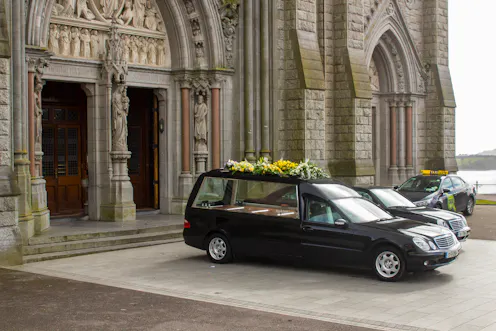
It seems many Australians are over-insuring when it comes to funerals.
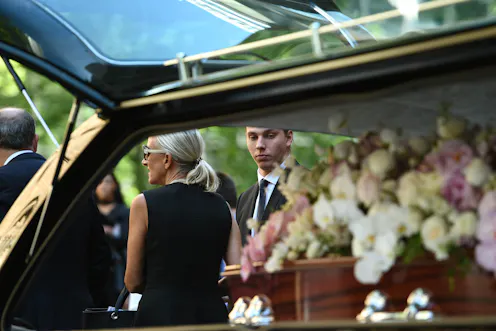
Regulation of funeral products needs to be consistent to improve consumer understanding and choice.
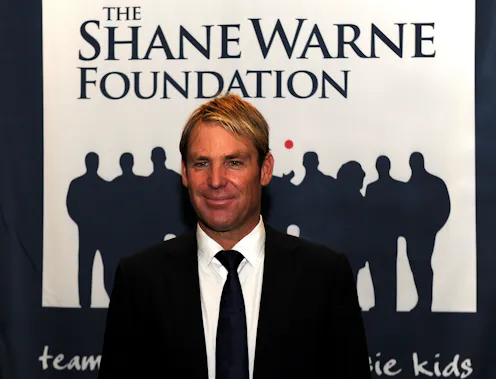
Despite failing to meet state government requirements, charities including the Shane Warne Foundation remain registered with the regulator.
The Australian Charities and Not-for-profits Commission seems more focused on reducing red tape for the sector than scrutinising individual charities.
What’s the first thing you are told to do when a loved one dies? If they die in a medical or residential care institution, which happens in more than 85% of cases in Australia, a funeral director is your…
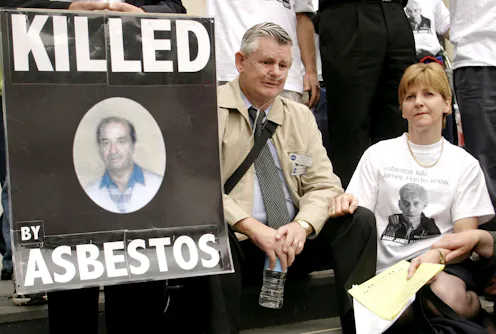
After a week of media speculation on the issue, building materials company James Hardie yesterday confirmed the fund for compensating asbestos victims could run short of money as soon as 2017. Generally…
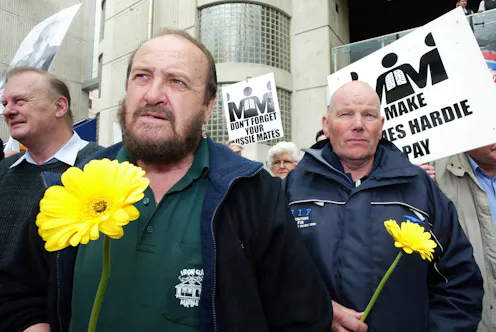
The toxic health effects of asbestos have been a prominent feature of the Australian industrial landscape for decades. The not-insignificant financial responsibility for asbestos-related compensation claims…
Contact Sandra for
- General
- Media request
- Speaking request
- Consulting / Advising
- Research collaboration
- Research supervision
- Location: Sydney Australia
- Website
- X (formerly Twitter): @Vdl_sandy
- Article Feed
- Joined
