

One way to guard against misinformation is to empower people to identify climate doom in the first place.
- Professor of Social Psychology in Society, University of Cambridge
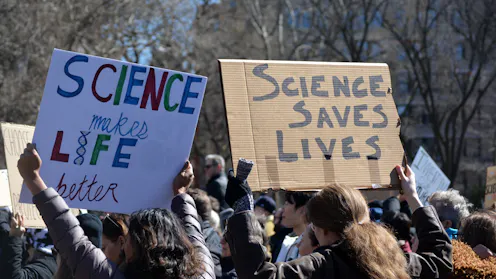
Gamifying the fight against dangerous medical misinformation.
Cheap, low-quality AI-generated content is still extremely attention-grabbing – and thus lucrative for both creators and platforms.

Modelos não têm intenção de assustar ou sugerir que as pessoas são vetores crédulos de desinformação, mas evidenciam que algumas notícias falsas se espalham como uma doença, infectando os usuários.

Going viral appears to be more than just a catchphrase when it comes to misinformation.

Scientists estimate that for every 100,000 people targeted with specific political ads, several thousand can be persuaded.

When we see false information circulating, we might move to debunk it. But prebunking lies and explaining manipulation techniques can work better.

Paid blue tick status could make it harder to tell if information is coming from a legitimate source.

The study is the largest of its kind. Researchers hope it could be a breakthrough in the fight against misinformation.
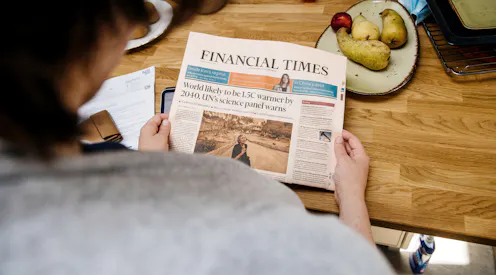
Academics are among the most trusted sources for news about climate change.
Many scientists believe attention is the key to tackling fake news – and that a form of ‘priming’ can help.

A new study documents the influence of Greta Thunberg on the public’s motivation to act on climate change.
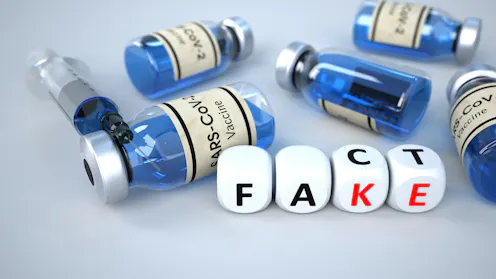
A ‘psychological vaccine’ has the potential to counter belief in COVID-19 conspiracies.

El video ‘Plandemic’, que incluye falsedades y desinformaciones sobre el coronavirus, es un ejemplo de cómo funcionan las teorías conspirativas.

Conspiracy theories about COVID-19, such as those advanced in the video ‘Plandemic,’ tend to pull from the same playbook. Recognizing that can help keep you from falling for this kind of thinking.
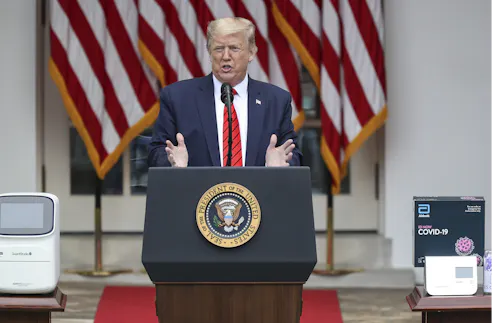
A new survey shows 67% of Democrats report wearing face masks, compared to 55% of Republicans.

WhatsApp has become a haven of misinformation in developing countries.

Researchers have developed a game to ‘vaccinate’ people against fake news – by showing them how to become a fake news mogul.

Reports of facts’ death have been greatly exaggerated. Effective communication jettisons the false dilemma in favor of a more holistic view of how people take in new information on contentious topics.
Contact Sander for
- General
- Media request
- Speaking request
- Consulting / Advising
- Research collaboration
- Research supervision
