
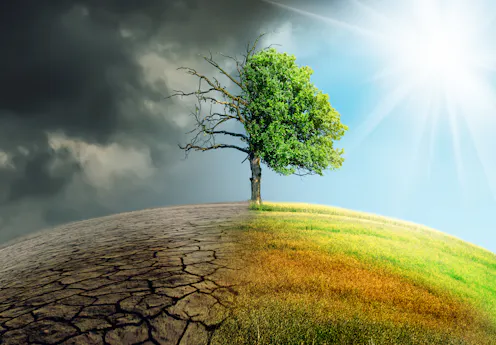
We talk to three experts who argue we governments need to find alternatives for their dependence on economic growth. Listen to episode 39 of The Conversation Weekly.
- Academic Director, School for International Training, The University of Melbourne
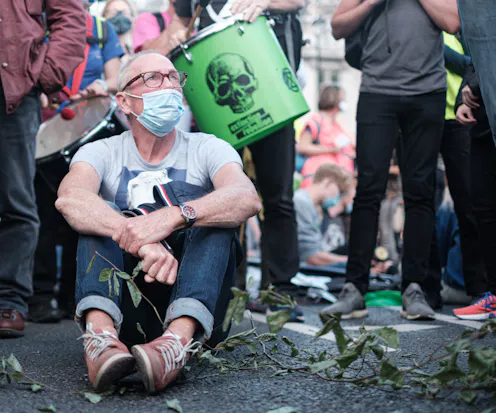
The line between what is normal and what is pathological has blurred. We risk our collective sanity and our planet if we stick to business as usual.

You might be surprised to find yourself in the company of Elon Musk and Jeff Bezos in the world’s richest 1%. This has big implications for planetary survival.
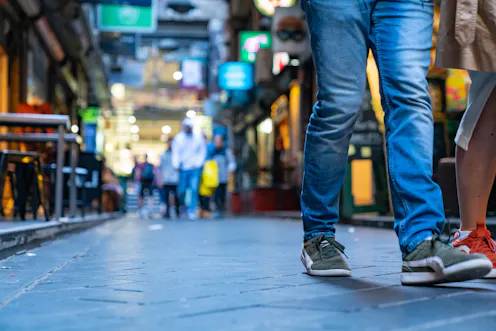
Walking all parts of Melbourne before and after the pandemic hit was eye-opening. It brought home just how much change is possible if we wish for a better, more sustainable way of living.
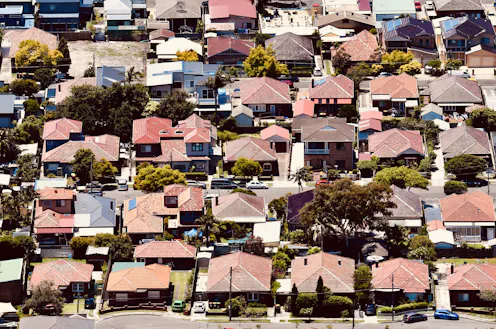
The imperative to keep a roof over our head keeps us wedded to economic growth. If we want to halt climate change, we need another way
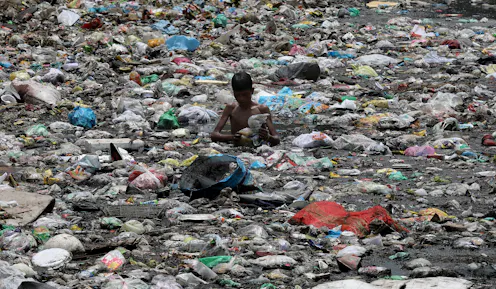
Some people might think it’s a ridiculous conversation, but for the sake of the planet we need to talk about ending capitalism.
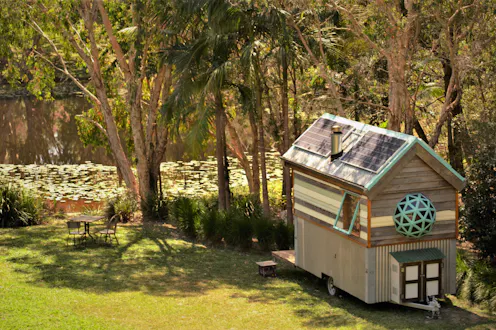
People are increasingly becoming interested in the tiny house trend, but what type of tiny house would suit your needs?
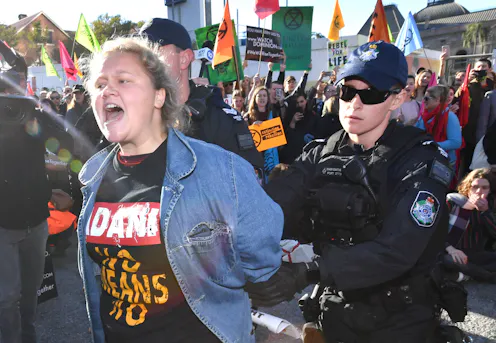
Democracy is not perfect. Sometimes it produces policies that are undemocratic and unjust. In those cases, breaking the law may be justified.
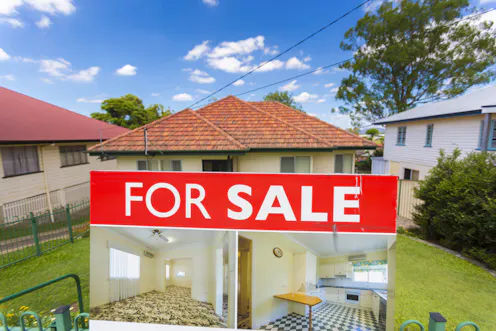
The cost of land and, in turn, housing forces people to buy into the rules of market capitalism, making it very hard to ‘downshift’ from consumer lifestyles. But what if we rethink public housing?
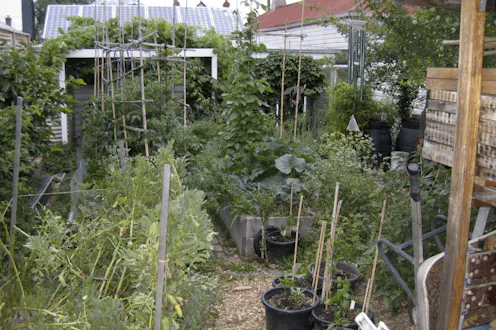
The average consumerist suburban lifestyle is unsustainable. But what if affluent suburbanites and battlers alike ditch the rat race and embrace economic ‘degrowth’? Here’s how it might unfold.
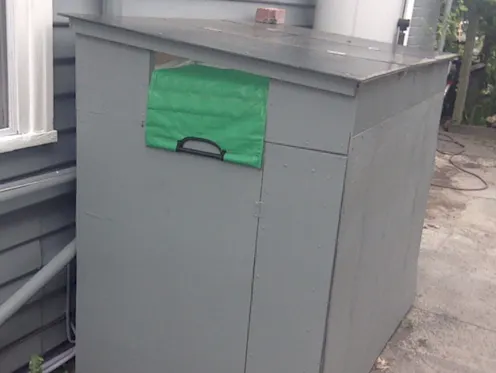
Australians love cooking with gas, but what if you could make your own supply, using leftover food waste? It may be time for more households to embrace home biogas – and stop paying gas bills.
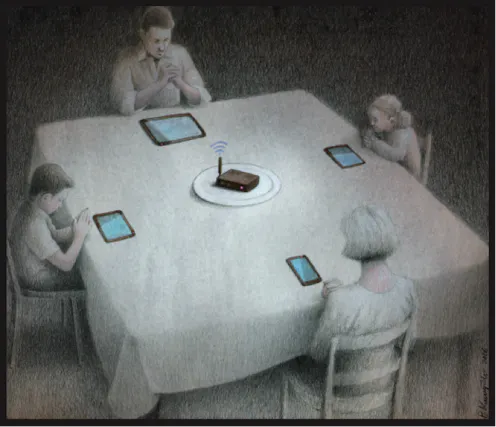
To fix the world’s ecological crises we’ll have to make some tough choices, particularly living with less stuff. Art can play an essential role in imagining and communicating a more sustainable future.
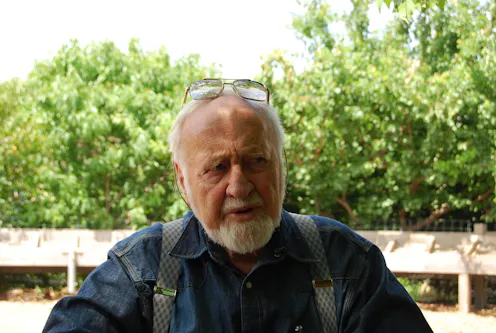
Bill Mollison co-created permaculture - an ambitious alternative to industrial agriculture.
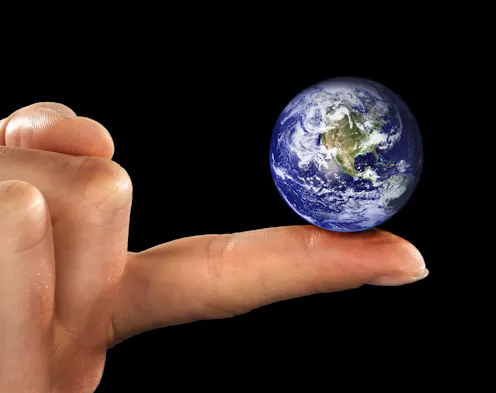
The global economy is already unsustainable – let alone if it gets bigger.
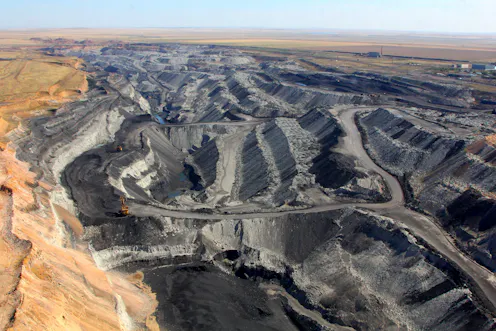
By championing economic growth, the Sustainable Development Goals are a barely disguised defence of the market fundamentalism that underpins business-as-usual. But in an age of planetary limits, sustained economic growth is not the solution to our social and environmental ills, but their cause.
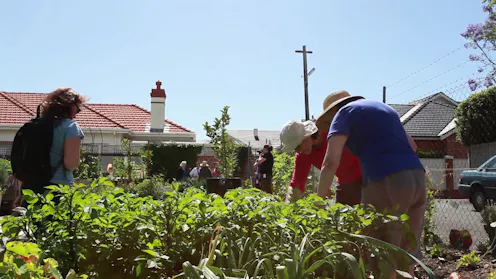
What does your vision of a sustainable future look like? Some people imagine a world where technology solves the world’s most pressing environmental problems.
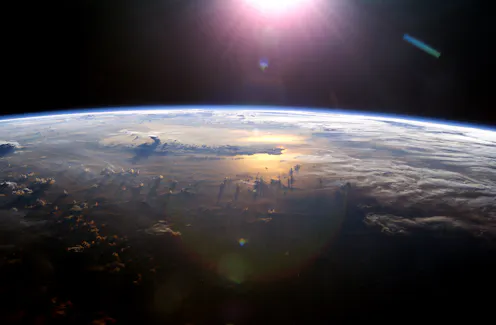
How can we live within the means of our planet? Almost all environmental literature grossly underestimates what is needed for our civilisation to become sustainable.
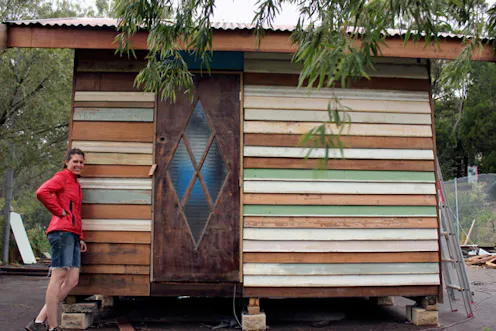
What is a house? I feel this is a dangerous question, which holds within it the seeds of a disruptive innovation, so read on at your own risk. Rethinking what a house is could change your life, and perhaps…
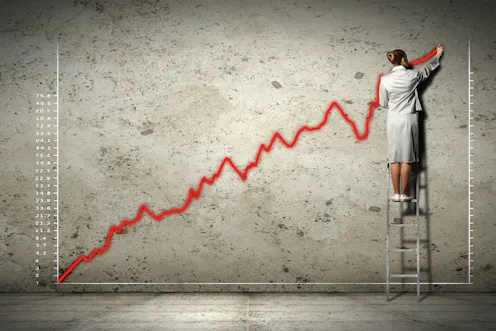
What does genuine economic progress look like? The orthodox answer is that a bigger economy is always better, but this idea is increasingly strained by the knowledge that, on a finite planet, the economy…
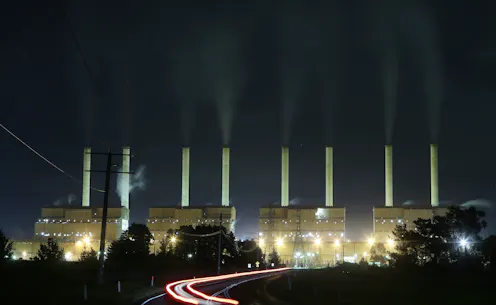
A newly released report called Better Growth, Better Climate draws the seductive conclusion that “we can create lasting economic growth while also tackling the immense risks of climate change”. But while…
You might have heard that peak oil - the theory that one day crude oil production will stop increasing, even as demand grows - is dead. Shale oil production is surging in the US. The premiere peak oil…
Contact Samuel for
- General
- Media request
- Speaking request
- Consulting / Advising
- Research collaboration
- Research supervision
