
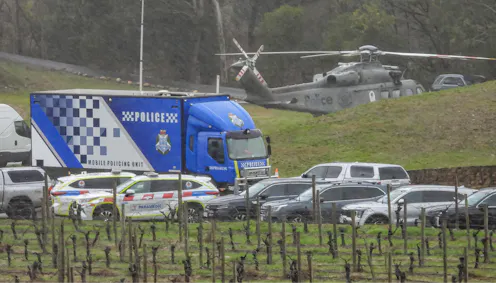
There are more guns in Australia now than before the Port Arthur massacre in 1996. Why? And who is buying firearms?
- Principal Research Fellow, Griffith University

Sometimes it seems as if Australia is grappling with an unprecedented violent crime crisis. Crime stats paint a different picture, however.

The link between alcohol and homicide highlights the urgent need for early intervention and targeted prevention strategies.
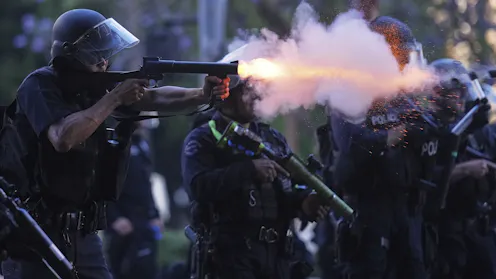
Authorities have been using “less lethal” weapons against protesters in Los Angeles, but they can still cause serious injuries and even death.

A Victorian machete ban raises several questions, including whether there will be exemptions and what other states and territories are doing.

Confiscating firearms from alleged abusers might seem like a good idea, but it’s unlikely to make much of a difference.
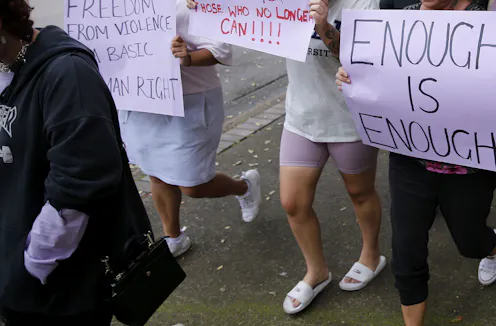
How much of men killing women can we understand through a purely gendered lens? The answer may be: less than we thought.
Rather than unifying the country, it appears the government’s overreach on gun legislation has paved the way for distrust and division.
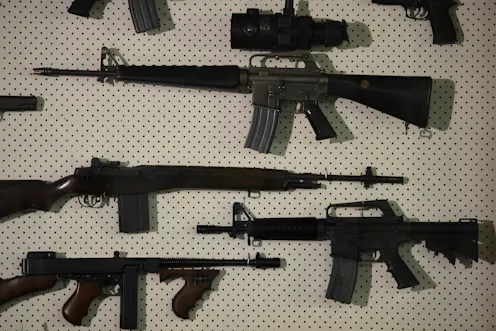
Firearms policy is more complex than people often allow, and evidence about what works to reduce gun violence is also not clear-cut.

Are claims that intimate partner violence is the leading cause of death for Australian women aged 18-44 substantiated?
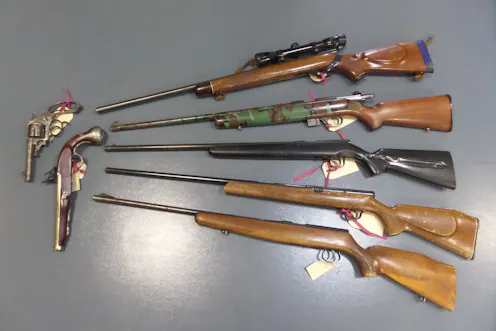
Whenever gun control enters public debate, the high emotions and moralising tend to take over rational, evidence-based debate.
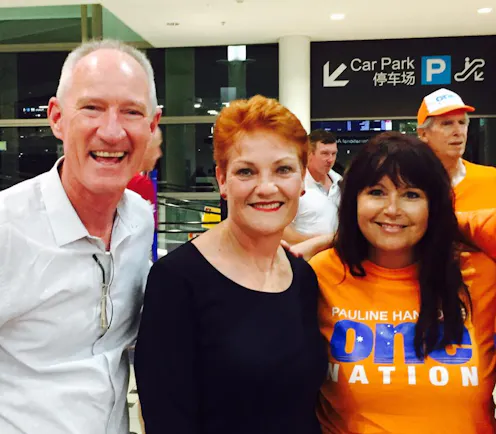
One Nation Queensland leader Steve Dickson said ‘up to 21 fathers’ are taking their lives in Australia every week. Is that accurate?
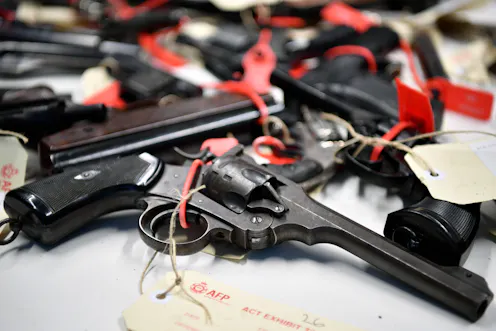
Sometimes small changes can be the most effective at reducing violence – and these are seldom acknowledged.
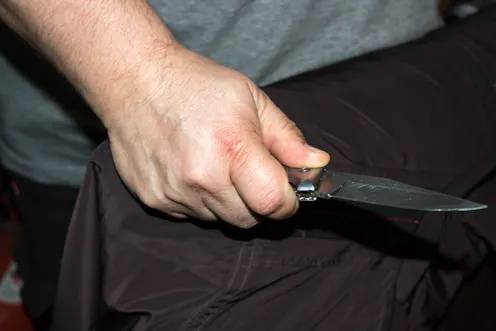
Even though males represent around half the population, they account for about two-thirds of Australian homicide victims.
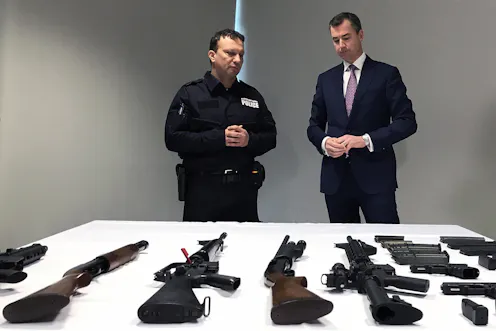
Let’s be realistic about what gun amnesties are, and are not, likely to deliver.

The hyperbole about the Adler shotgun simply does not match with the facts. This is symptomatic of the generally poor quality of debate around firearm policy in Australia.
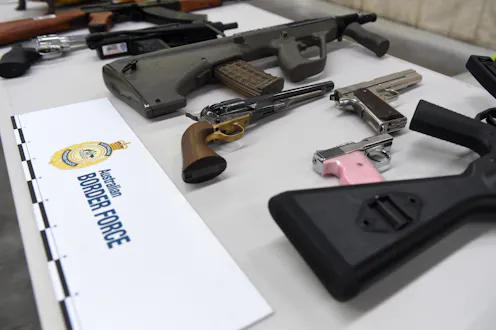
If we want to develop truly effective policies to reduce gun violence and its impacts on individuals, families and communities, we need to start basing Australian debate on Australian facts.
Classifying killers into particular types is intuitively appealing. It helps us make sense of what otherwise seems senseless. But this approach tells us only the smallest fraction of their motivation.
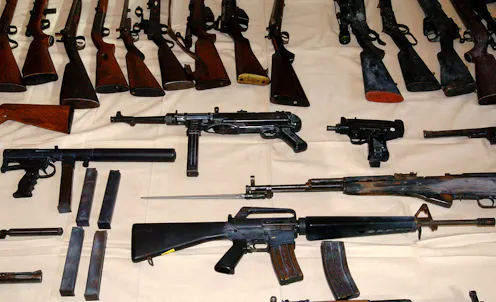
What interventions might be most useful for reducing the incidence of mass shootings? What lessons should other countries really learn from Australia’s experience?
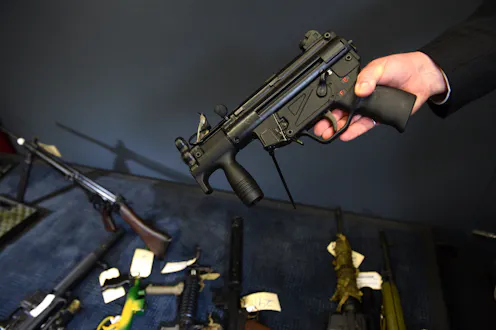
The rate of fatal shootings has fallen in Australia, the US and other nations in recent decades. Yet anti- and pro-gun ideology still makes it hard to have a sensible discussion about gun violence.
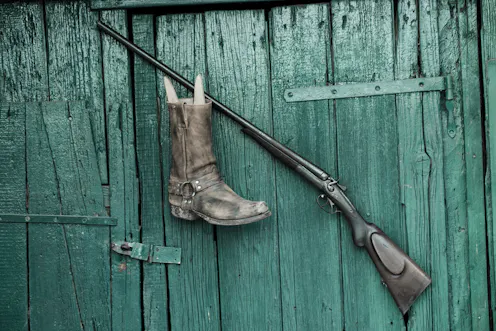
The recent multiple homicide in a small Victorian township, coming barely a month after a mass shooting in rural New South Wales, may give the impression that firearm-related murders in rural Australia…
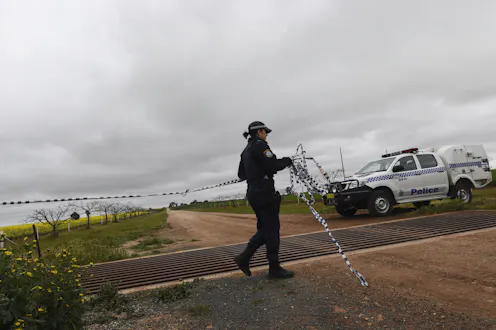
Last week’s tragic deaths of the Hunt family, in what police are treating as a multiple homicide-suicide incident, have left a close-knit community in shock. It is always hard to understand why such events…

As details emerge of the latest appalling shooting incident in the United States, it seems the alleged perpetrator may have planned to die by suicide, after taking the lives of others - just as many have…

Suicide prevention in Australia is often represented as, first and foremost, about recognising and getting help and treatment for depression. Everywhere, we are given the message that depression leads…

Brisbane Lord Mayor Graham Quirk’s recent announcement that barriers are to be erected on the Story Bridge in an effort to reduce suicides is very welcome. Studies consistently show that barriers have…
Contact Samara for
- General
- Media request
- Speaking request
- Consulting / Advising
- Research collaboration
- Research supervision
- Location: Queensland
- Website
- Article Feed
- Joined
