

Nicotine use during adolescence harms the developing brain. South Africa needs to act to stop this harmful habit.
- Research Officer, Research Unit on the Economics of Excisable Products, University of Cape Town

Le nombre de fumeurs en Afrique est en augmentation. La recherche calcule l'effet des augmentations de prix induites par les taxes sur les habitudes tabagiques des jeunes.

The number of smokers in Africa is on the rise. Research calculates the effect of tax-led price increases on the smoking habits of young people.
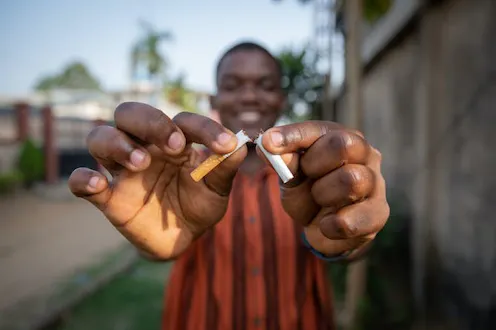
Dans les pays à faible revenu, le tabagisme est souvent associé à un faible niveau de revenu et d'éducation. Ces consommateurs n'ont pas les moyens de payer les conseils et les médicaments.

In low-income countries, tobacco use is often associated with lower income and less education. These users can’t afford to pay for counselling and medication.

Alcohol use contributes to over 200 different diseases, injuries, and conditions. It is also a risk factor for gender-based violence and violent crime.

Reductions in the affordability of cigarettes will ensure significant reductions in tobacco use.

The number of smokers in Africa is projected to increase.

South Africa’s approach to smoking doesn’t adequately support current smokers who want to quit.
CC BY-NC-ND10.1 MB (download)
Here are 5 ways governments can get young people off tobacco.
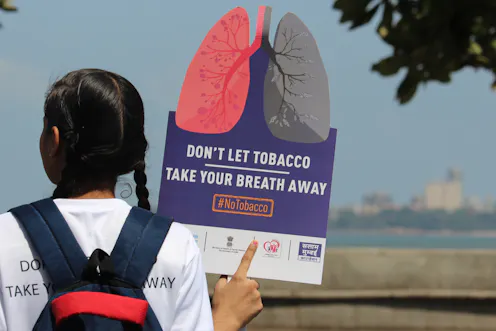
With the advent of novel tobacco products and the tobacco industry falsely marketing them as less harmful, the adage “prevention is better than cure” has never been more important.
Contact Sam for
- General
- Media request
- Speaking request
- Consulting / Advising
- Research collaboration
- Research supervision
- Location: Cape Town
- Article Feed
- ORCID
- Joined
