
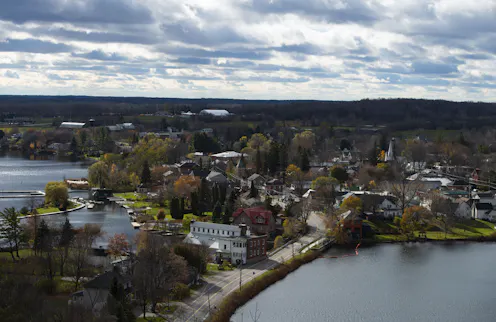
Whether Canada is able to address the most pressing challenges of the next several generations requires the full participation and support of rural people and places.
- Postdoctoral Research Associate, Brandon University, University of Guelph
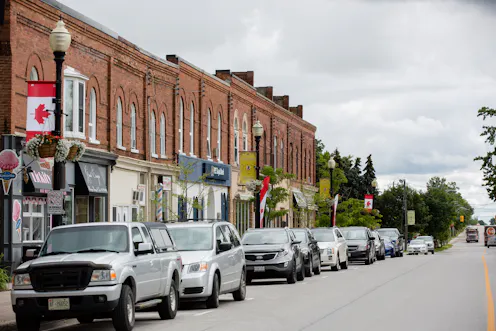
Regional and inter-provincial travel have contributed to the spread of COVID-19 in small and rural communities. Restricting people’s movement is more challenging than it seems on the surface.
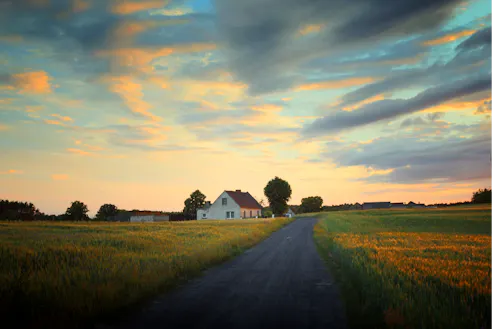
The coronavirus restricted life in the city and enabled working from home (or anywhere). People are considering moving to the countryside for cheaper cost of living and a higher quality of life.

Shows like ‘Schitt’s Creek’ and ‘Letterkenny’ upend how we imagine rural Canada to be. The small-town dynamics represented are wonderful presentations of what it means to be human.
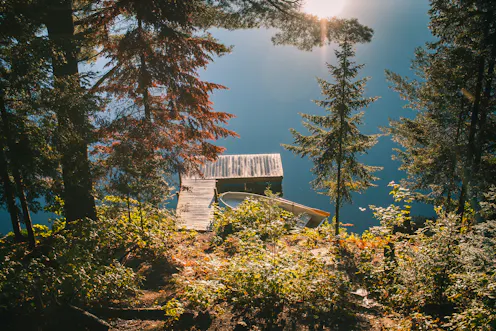
Les conflits entre propriétaires saisonniers et résidents ruraux à l’année mettent en évidence la dualité entre le « droit d’être rural » et l’embourgeoisement provoqué par l'arrivée des citadins.

Conflicts between seasonal property owners and year-round rural residents are highlighting the fault-lines between the “right to be rural” and “disaster gentrification.”
Contact S. for
- General
- Media request
- Speaking request
- Consulting / Advising
- Research collaboration
- Research supervision
- Location: Wellington County, Ontario, Canada
- Website
- BlueSky: @ashleighweeden.bsky.social
- LinkedIn: ashleighweeden
- X (formerly Twitter): @ashleighweeden
- Article Feed
- ORCID
- Joined
