

Fossil-fuel dependence, the costs of adapting to a changing climate and the transition to cleaner energy are all driving up costs.
- Associate Professor, School of Political Studies, with Cross-Appointment to Geography, Environment and Geomatics, L’Université d’Ottawa/University of Ottawa
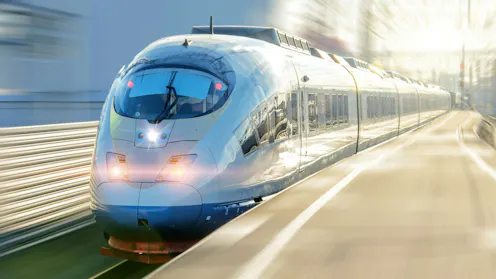
A high-speed rail line could operate without producing significant emissions. But this doesn’t mean it would substantially help Canada’s mitigation efforts.

Gates recently called for a ‘strategic pivot’ in climate strategy. That appears to have hit a nerve.

The axing of the consumer carbon tax marks a major turning point in Canadian climate policy. It fell victim to misinformation and populist attacks.

While the announcement of a high-speed rail line between Québec City and Toronto is a milestone, multiple hurdles must be cleared for this project to see the light of day.

Without a clear picture of the actual drivers affecting food prices, we lack the necessary information for developing policies that protect the rights and well-being of Canadians.
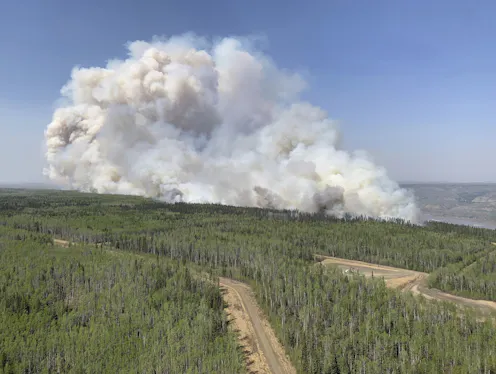
Current greenhouse gas inventories in Canada only consider “managed” lands. This must change before we can truly understand the scale of Canada’s carbon emissions.
Contact Ryan for
- General
- Media request
- Speaking request
- Consulting / Advising
- Research collaboration
- Research supervision
- Location: Wakefield, Quebec
- Website
- BlueSky: @ryankatzrosene.bsky.social
- X (formerly Twitter): @ryankatzrosene
- Article Feed
- ORCID
- Joined
