
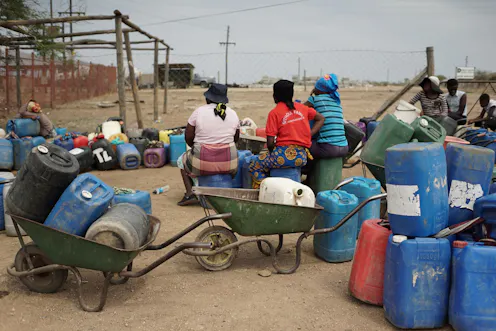
The provision of better health services and social grants has aided rural women’s progress in South Africa, but there are still tremendous needs to be met.
- Associate Professor (Reader), Wits School of Public Health, University of the Witwatersrand
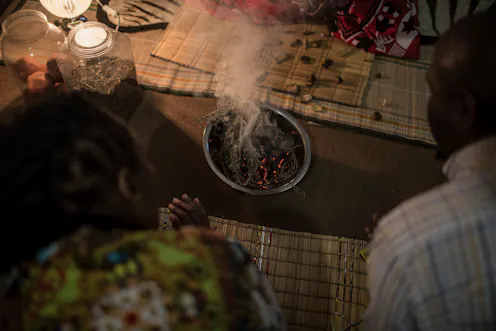
An average healer in the rural South African town where the study was done experiences about 1,500 occupational blood exposures in their lifetime.

We found that the key factors behind poor cognitive function were related to levels of education, being a woman, marital status and being poor.
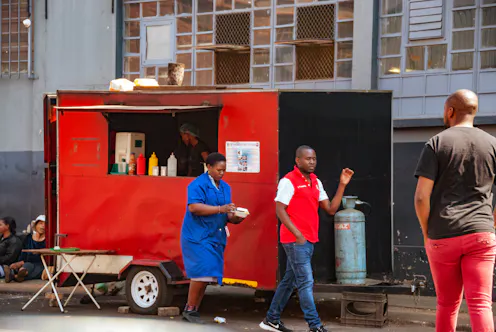
At the turn of the century, the greatest threats were posed by infectious diseases today, the biggest threats are posed by lifestyle diseases.
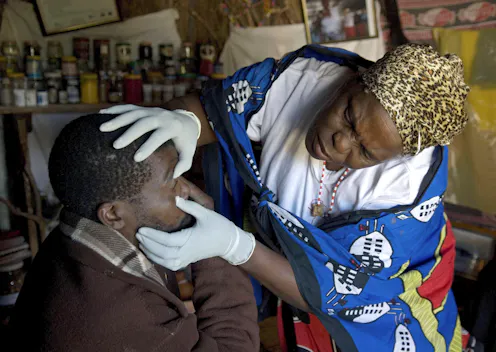
In rural areas where there are often fewer healthcare professionals available, traditional healers can have a role to play in promoting HIV treatment.
Contact Ryan for
- General
- Media request
- Speaking request
- Consulting / Advising
- Research collaboration
- Research supervision
- Location: Johannesburg, South Africa
- X (formerly Twitter): @RyanGWagner
- Article Feed
- ORCID
- Joined
