
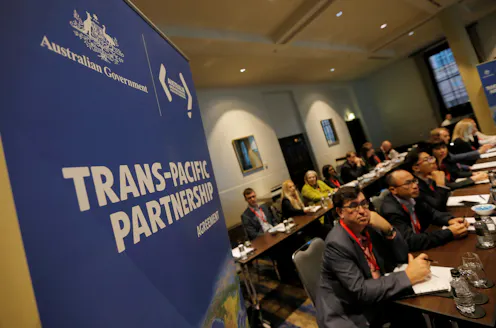
Negotiators from 11 countries have been racing to resurrect the near-dead Trans-Pacific Partnership Agreement before the Asia-Pacific Economic Cooperation (APEC) summit this weekend.
- Adjunct professor, Department of Health Policy & Management, George Washington University
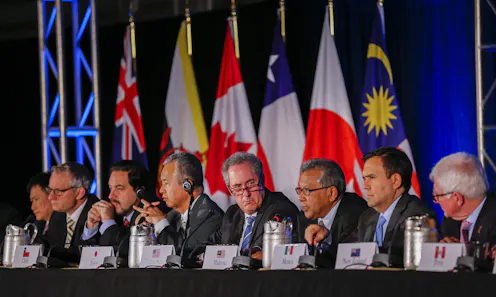
Before the last round of negotiations, only a handful of issues remained in the way of concluding the TPP. A potential deal-breaker for Australia was intellectual property protections for biologics.
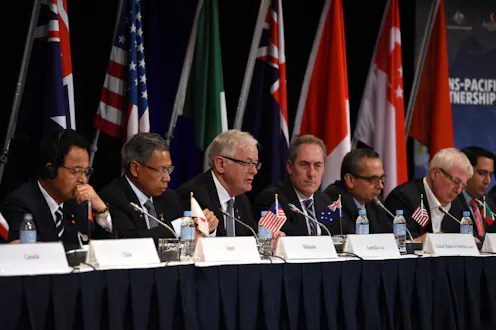
Over the next few weeks, the trade minister will be under intense pressure to renege on the government’s commitment to reject anything in the Trans Pacific Partnership that could undermine the PBS.

Seven rounds of negotiations for the Regional Comprehensive Economic Partnership have already taken place with virtually no public debate. The next round of negotiations begins today in Kyoto, Japan.
Contact Ruth for
- General
- Media request
- Speaking request
- Consulting / Advising
- Research collaboration
- Research supervision
- Location: Washington , DC
- Article Feed
- ORCID
- Joined
